


Understanding Water Heater Leaks: A Homeowner’s Guide to Peace of Mind
Water heater leaks can be a homeowner’s unexpected challenge, often appearing at the most inconvenient times. Spotting the signs of a leaking water heater early is crucial in preventing costly water damage and maintaining the comfort of your home. In this guide, we’ll walk you through understanding the common causes of water heater leaks and provide practical solutions on how to fix a water heater leak efficiently. From essential water heater maintenance tips to expert plumbing advice, you’ll find everything you need to tackle this issue with confidence. Let’s turn this plumbing hiccup into a manageable task, ensuring your home stays warm and worry-free.
Identifying Water Heater Leaks

Understanding how to identify water heater leaks is the first step in managing them effectively. Early detection can save you from extensive water damage and expensive repairs. This section will guide you through recognizing the telltale signs of a leaking water heater and explore common causes that might lead to such leaks.
Signs of a Leaking Water Heater
Spotting the signs of a leaking water heater early can prevent headaches down the road. Some clear indicators include water pooling around the base of the heater, a sudden decrease in hot water supply, and unusual noises like popping or hissing. Rusty water could also point to internal corrosion, often a precursor to leaks.
Inspect for moisture: Regularly check the area around your water heater for signs of dampness. Even small puddles can indicate a problem.
Listen closely for any unusual sounds. Popping noises may suggest sediment buildup, which can cause overheating and damage over time.
Another thing to watch for is unusual temperature fluctuations or a lack of hot water. This might mean the heater is working overtime to compensate for a hidden leak.
Common Causes of Leaks
Water heater leaks can stem from a variety of factors. Corrosion is a leading culprit, often resulting from sediment buildup that eats away at the tank’s lining. Loose connections and faulty valves are also common culprits.
Corrosion, over time, can lead to pinhole leaks. This process is often accelerated by sediment buildup at the bottom of the tank, which can cause the tank to overheat.
Loose connections at inlet or outlet pipes might also cause leaks. Ensure fittings are tight and secure, as loose joints can lead to water seepage.
Faulty valves, particularly the temperature and pressure relief valve, can also lead to leaks. Ensure these are functioning correctly to avoid leaks and potential hazards.
Fixing the Leak
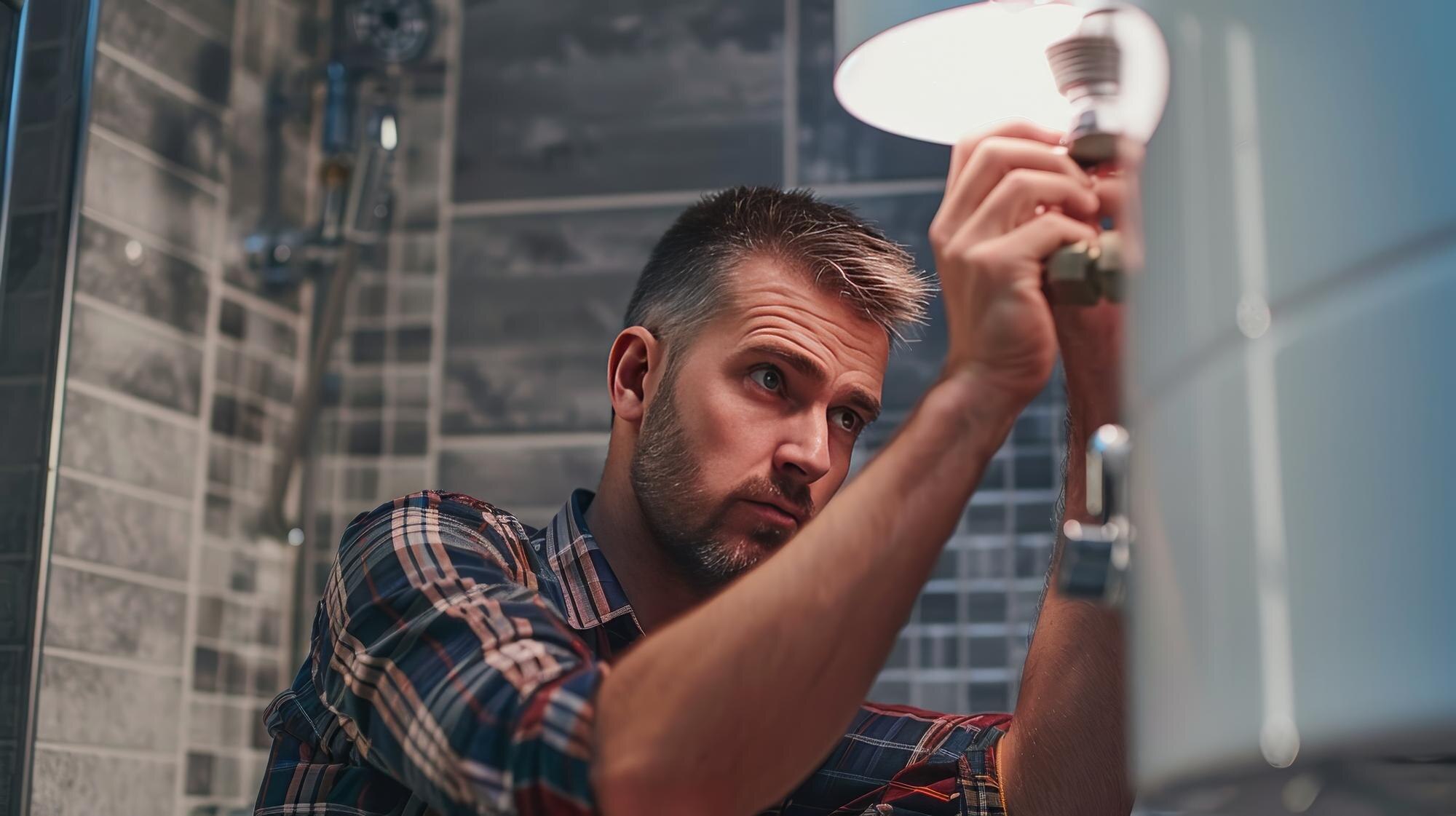
Once you’ve identified a leak, it’s time to address it. Some leaks can be handled with DIY solutions, but others might require professional intervention. This section will guide you on how to fix a water heater leak and when it’s best to call in the experts.
How to Fix Water Heater Leak
Fixing a water heater leak can sometimes be a straightforward process. Before you begin, ensure you’ve turned off the power supply and water source to the heater.
-
Identify the leak source: Check all connections, valves, and the tank itself.
-
Tighten loose connections: Use a wrench to ensure all pipe fittings are secure.
-
Replace faulty valves: If a valve is leaking, consider replacing it. Follow this step-by-step guide for detailed instructions.
For more complex issues, such as a leaking tank, consult a professional. This community thread offers insights into common challenges and solutions.
When to Call a Professional
At times, a leak can be beyond your expertise. Call a professional if the leak is coming from the tank itself or if you’re unable to pinpoint the source.
A professional should also be contacted if you’ve attempted basic repairs without success. As outlined on this advice platform, professionals can safely handle complex repairs and replacements.
In cases where the heater is old and frequently leaking, it might be time for a replacement. Experts from Paschal emphasize the importance of considering a new unit to avoid repeated repairs.
Preventing Future Leaks
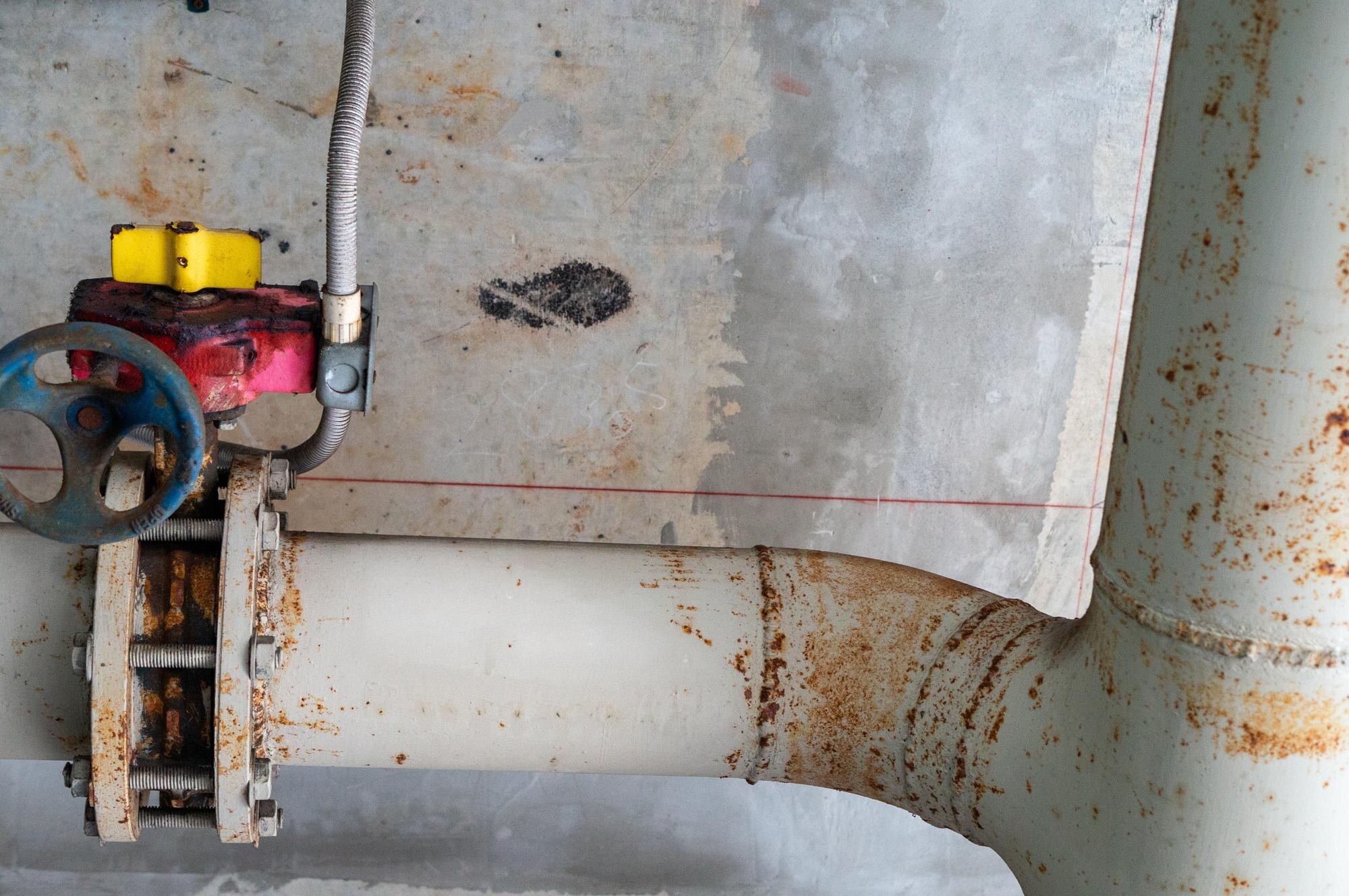
Regular maintenance can significantly reduce the likelihood of future leaks. This section will provide essential water heater maintenance tips and general plumbing advice for homeowners.
Water Heater Maintenance Tips
Routine water heater maintenance can extend the life of your unit and prevent leaks. Here are some practical tips:
-
Regularly flush the tank to remove sediment buildup. This helps prevent corrosion and overheating.
-
Inspect the anode rod annually. Replace it if it’s significantly corroded to protect the tank from rust.
-
Check the temperature settings. Keeping the thermostat at 120°F can reduce pressure on the tank.
These tips, detailed in this DIY forum, can help maintain your water heater in good working condition.
Plumbing Tips for Homeowners
Beyond the water heater, general plumbing care is crucial for a leak-free home. Here are some plumbing tips:
-
Regularly inspect all visible pipes for leaks or corrosion.
-
Install a leak detection system that can alert you to potential problems early.
-
Know where your main water shut-off valve is located in case of an emergency.
Implementing these practices can provide peace of mind and ensure your plumbing system remains in top shape.