


Mastering Winter: How to Protect Your Pipes from Freezing
Winter brings its own set of challenges, and one that homeowners and property managers often face is the risk of frozen pipes. As the temperatures plummet, the threat of water damage due to pipe bursts becomes a real concern. But fear not, because with a few proactive steps, you can effectively prevent freezing pipes and ensure your plumbing remains intact all season long. From simple pipe insulation techniques to comprehensive winterizing plumbing strategies, there are several ways to keep your pipes safe and sound. Join us as we explore practical pipe heating solutions that will help you protect your property and enjoy a worry-free winter.
Understanding Pipe Freezing

Understanding what leads to pipe freezing is crucial to preventing it. By examining the causes and potential risks, you can better prepare yourself and your property for the winter months.
Causes of Frozen Pipes
Frozen pipes occur when temperatures drop significantly, causing the water inside to freeze and expand. This expansion can increase pressure, leading to pipe bursts. Factors contributing to this include:
-
Exposure to cold air: Pipes located in unheated spaces like attics, basements, or exterior walls are highly vulnerable.
-
Poor insulation: Without proper insulation, even indoor pipes can freeze.
-
Extended cold spells: Prolonged exposure to freezing temperatures increases the risk.
For more on this, see the Red Cross guide on frozen pipes.
Risks When You Do Not Prevent Freezing Pipes
When you do not prevent freezing pipes can lead to severe consequences. Pipes bursting can cause extensive water damage, which is both costly and disruptive. Some key risks include:
-
Structural damage: Water can weaken foundations and walls.
-
Mold growth: Persistent dampness can lead to mold, posing health risks.
-
Increased repair costs: Fixing water damage is often more expensive than prevention.
For more information on prevention, check Consumer Reports.
Essential Pipe Insulation Techniques
Pipe insulation is a fundamental method to keep your pipes from freezing. Let’s delve into the materials you should use and some DIY tips to get started.
Best Materials for Insulation
When considering pipe insulation, choosing the right materials is essential. Some effective options include:
-
Foam: Easy to install and provides good insulation.
-
Fiberglass: Ideal for high-temperature areas but requires more effort to install.
-
Rubber: Flexible and effective for tight spaces.
Here’s a comparison chart for quick reference:
|
Material |
Ease of Installation |
Temperature Tolerance |
|---|---|---|
|
Foam |
High |
Moderate |
|
Fiberglass |
Moderate |
High |
|
Rubber |
High |
Moderate |
DIY Insulation Tips
Insulating pipes doesn’t have to be complicated. Here’s a simple guide:
-
Measure your pipes: Determine the length and diameter needed for insulation.
-
Select the right material: Refer to the table above.
-
Wrap and secure: Use tape or adhesive to secure the insulation material.
-
Tip: Ensure all joints and bends are fully covered.
-
Tip: Periodically check insulation for wear or damage, especially after a harsh winter.
For DIY enthusiasts, check out this Reddit thread for more community tips.
Effective Winterizing Plumbing Strategies
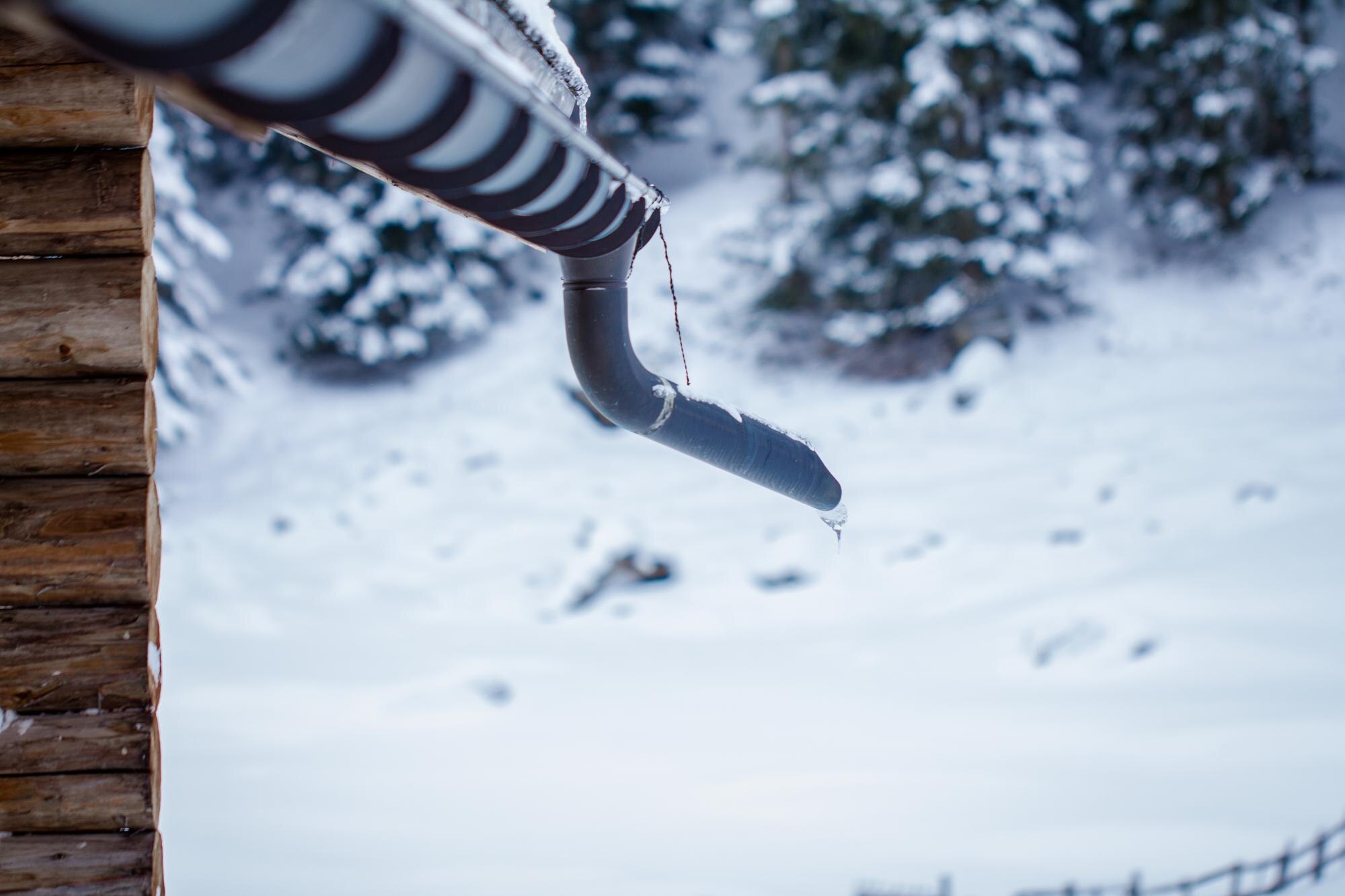
Winterizing your plumbing is a comprehensive approach to protecting your home from the cold. Let’s look at preparing your home and installing heating solutions.
Preparing Your Home for Winter and Not Only Prevent Freezing Pipes
Before winter sets in, it’s crucial to prep your home. This involves a few key steps:
-
Inspect your plumbing: Look for leaks and repair them.
-
Drain outdoor faucets: Turn off and drain all outdoor faucets.
-
Seal spaces: Ensure all gaps around pipes are sealed to block cold air.
-
Tip: Consider professional inspection for peace of mind.
-
Tip: Install frost-proof faucets if necessary.
For more detailed guidance, visit Protect Your Pipes.
Installing Pipe Heating Solutions
For added protection, consider pipe heating solutions. These systems help maintain a consistent temperature:
-
Heat cables: Wrap these around pipes for direct warmth.
-
Heating blankets: Ideal for larger areas or hard-to-reach pipes.
-
Smart thermostats: Regulate the temperature automatically.
-
Advantage: Reduces the risk of freezing even during prolonged cold.
-
Advantage: Often energy-efficient, saving on heating bills.
For more information about keeping your pipes warm, check out Consumer Reports.
By understanding these strategies, you can effectively protect your pipes and enjoy a worry-free winter.
If you have a pipe burst and need immediate assistance, please reach out to JLR Plumbing. You can have piece-of-mind knowing that we have over 20+ years of experience! Contact Us Today.