


What to Do When Your Hot Water Heater is Leaking from the Bottom: A Friendly Guide for Homeowners
Uh-oh, there’s water pooling around your hot water heater and it’s leaking from the bottom. It’s a sight no homeowner wants to see, and it’s easy to panic. But don’t worry, tackling this plumbing issue might be simpler than you think. In this guide, we’ll walk you through the common causes of a hot water heater leak and the steps for water heater repair. By the end, you’ll feel confident in handling this pesky problem and ensuring your water heater maintenance is on point. For more information, check out this helpful resource.# What to Do When Your Hot Water Heater is Leaking from the Bottom: A Friendly Guide for Homeowners
Uh-oh, there’s water pooling around your hot water heater and it’s leaking from the bottom. It’s a sight no homeowner wants to see, and it’s easy to panic. But don’t worry, tackling this plumbing issue might be simpler than you think. In this guide, we’ll walk you through the common causes of a hot water heater leak and the steps for water heater repair. By the end, you’ll feel confident in handling this pesky problem and ensuring your water heater maintenance is on point.
Identifying the Problem

When you notice water collecting around your heater, the first step is figuring out what’s causing the leak. This involves looking for signs and understanding potential causes, which helps in deciding the best course of action.
Signs of a Hot Water Heater Leak
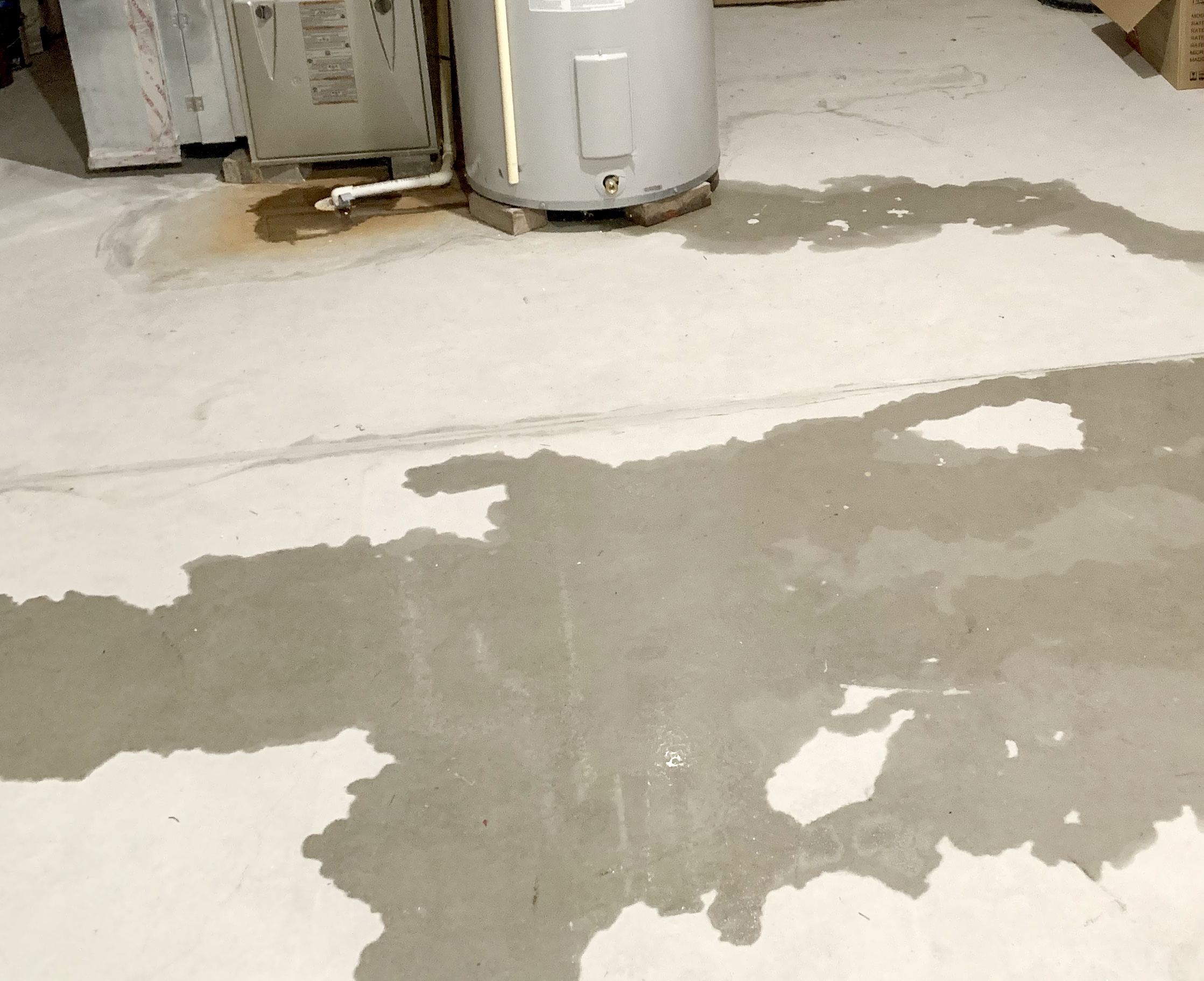
Identifying a hot water heater leak isn’t always straightforward. Signs to look out for include puddling water around the base, a rusty tank, or even a lack of hot water. These indicators suggest a problem with the heater that needs attention.
Sometimes, leaks are more subtle. You might notice a hike in your water bill or hear a hissing sound. Both could point to a leak, even if you can’t see water immediately. Regular inspections can help catch these less obvious signs early.
Check for moisture in areas like the temperature and pressure relief valve or the drain valve. These components can wear out over time, leading to small leaks that worsen if not addressed. For more tips on diagnosing leaks, visit This Old House.
Common Causes of Leaking from Bottom
Understanding why your heater is leaking from the bottom helps in planning effective repairs. One frequent culprit is a faulty drain valve. If it’s loose or damaged, water can escape onto your floor.
Another common cause is sediment buildup. Over time, minerals in water settle at the bottom of the tank, leading to cracks and leaks. Regular flushing of your tank can prevent this issue, ensuring longevity.
Corrosion is also a major factor. As the tank ages, rust can eat away at the metal, causing leaks. Replacing your heater might be necessary if corrosion is advanced. For advice from other homeowners, check out these discussions on Reddit.
Immediate Steps to Take
Once you’ve identified a leak, it’s crucial to act fast. Taking prompt steps can minimize water damage and make repairs easier down the line.
Shutting Off the Water Supply
To prevent further water damage, shutting off the water supply is the first step. Here’s how:
-
Locate the shut-off valve on your water heater, usually found on the cold water pipe above the tank.
-
Turn the valve clockwise until it’s fully closed to stop water flow.
-
If you can’t find the valve, shut off the main water supply to your home instead.
By cutting off the water, you’ll prevent additional leakage, giving you time to plan repairs without added stress.
Checking the Drain Valve
Once the water is off, check the drain valve for leaks. This valve, located near the bottom of the tank, is where sediment and water are drained during maintenance.
Inspect the valve for damage or looseness. If it’s not sealed tight, it might be the source of your problem. Sometimes, tightening the valve with a wrench can stop the leak.
If the valve is damaged, you may need to replace it. In some cases, simply cleaning out sediment can resolve minor leaks. For more guidance, refer to Today’s Homeowner.
Planning for Water Heater Repair
After addressing immediate concerns, consider your options for repair. Deciding between DIY fixes and hiring a pro will depend on the severity of the leak and your comfort level with plumbing.
When to Call a Professional
While some issues are manageable on your own, others require expert help. Call a professional if:
-
The leak persists despite your efforts.
-
Corrosion or extensive sediment buildup is evident.
-
You notice unusual noises, which could indicate a failing unit.
In these cases, a plumber can assess whether repair or replacement is more cost-effective. For stories from those who faced similar issues, see this Reddit thread.
If you are looking for Professional help, please contact JLR Plumbing. Have piece-of-mind knowing that with over 20+ years of professional plumbing experience, we get the job done right!
Tips for Preventing Future Plumbing Issues
Preventative measures can save time and money. Here are some tips to keep your water heater in top shape:
-
Regularly inspect your heater for signs of wear or leaks.
-
Flush the tank annually to remove sediment buildup.
-
Replace anode rods every few years to prevent corrosion.
These simple steps help maintain your system’s efficiency and extend its lifespan. For ongoing maintenance advice, explore resources from Hot Water.
By understanding the causes and solutions for a hot water heater leak, you’ll be better prepared to handle this common plumbing issue. Remember, proactive maintenance can prevent future headaches and ensure your hot water continues to flow smoothly.