


The Expert’s Handbook on Optimal Temperature for Water Heaters
Most people set their water heater once and forget about it, wasting energy and risking safety. If your hot water heater settings aren’t right, your bills could climb and your family might face hazards. This guide shows how to adjust water heater temperature for comfort, safety, and energy savings. For more details, check out this resource.
Understanding Hot Water Heater Settings

When was the last time you thought about your water heater settings? If it’s been a while, you’re not alone. Many overlook these adjustments, but getting them right is key to comfort and savings.
Importance of Correct Hot Water Heater Settings
The correct settings on your water heater can prevent scalds and keep energy costs down. Setting the temperature too high can be dangerous, especially for children and seniors, as hot water can cause burns within seconds. On the flip side, too low a setting can promote bacteria growth, such as Legionella, which thrives in lukewarm water. By ensuring your water heater is set correctly, you’re safeguarding your family and wallet. Most manufacturers recommend a setting of 120°F to achieve this balance.
Common Mistakes to Avoid
It’s easy to make mistakes with your water heater settings. One common error is assuming the factory setting is optimal. Often, these are set higher than necessary to prevent liability issues. Another mistake? Not adjusting the temperature seasonally. As outside temperatures fluctuate, so does the efficiency of your heater. Homeowners often forget this small but impactful tweak. Remember, a small adjustment can lead to big savings over time, so take a few minutes to check those settings.
Achieving Optimal Temperature for Water Heater
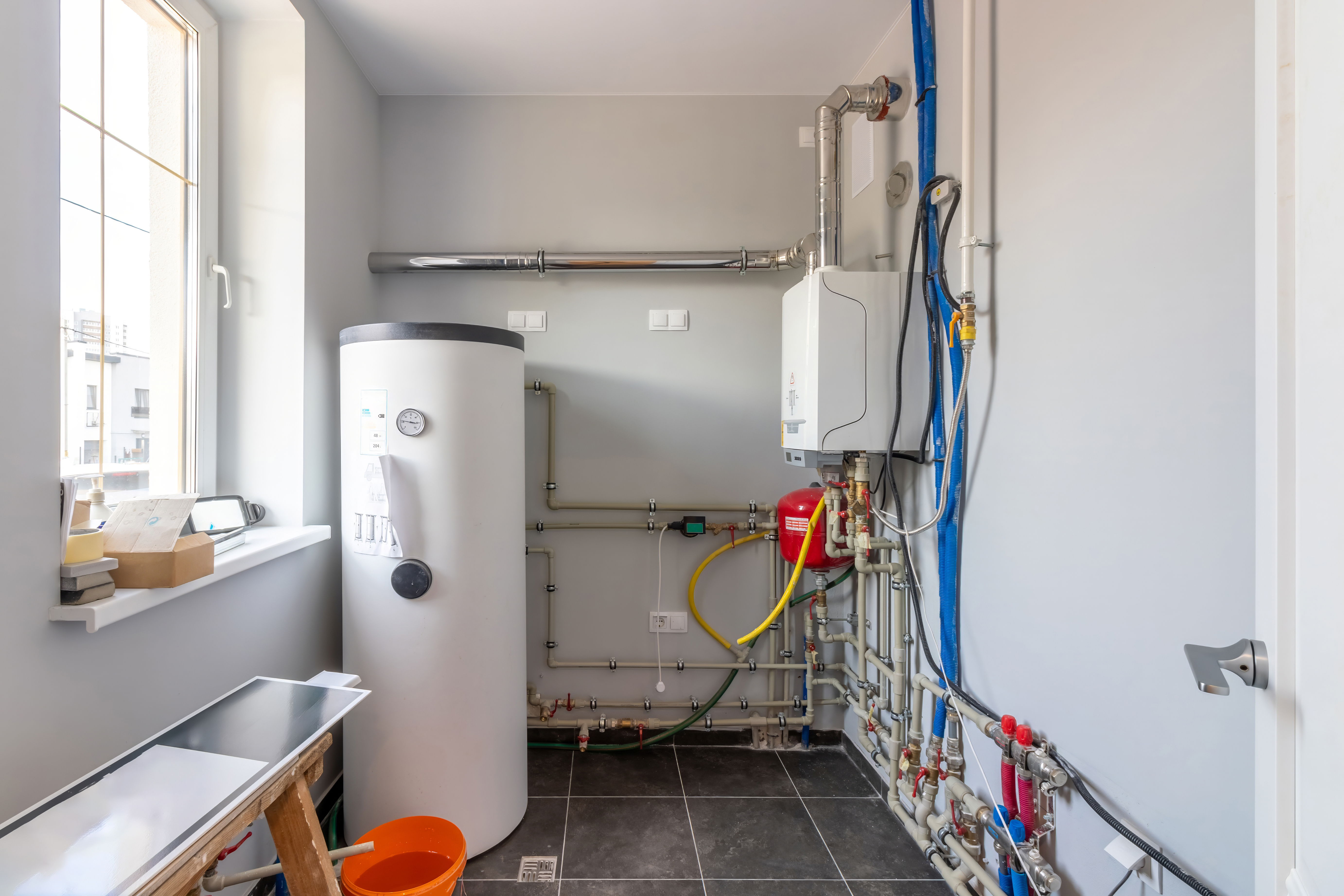
Finding the sweet spot in your water heater’s temperature can make all the difference. Let’s explore how you can get it just right for comfort and safety.
Recommended Temperature Range
You might wonder what temperature is best. The U.S. Department of Energy suggests setting your heater at 120°F for efficiency and safety. This temperature is hot enough for household needs yet reduces the risk of burns. If you have a dishwasher without a pre-heating function, a slightly higher setting might be needed. But for most families, 120°F is ideal. You can test this easily with a thermometer at the tap. Just run the hot water for a minute and check the temperature. If it’s off, adjust the dial and try again.
Balancing Comfort and Safety
Striking a balance between comfort and safety is crucial. Many assume hotter water means better performance, but that’s not the case. Water that’s too hot can cause injuries, while water that’s too cold may not effectively clean dishes or clothes. It’s about finding a balance that feels comfortable without being dangerous. You might find that after a few days of adjusting to a lower temperature, the difference is hardly noticeable, except on your bill!
Enhancing Energy Efficiency Water Heater

Your water heater can be a significant energy consumer. With the right tweaks, you can reduce consumption without sacrificing comfort.
Hot Water Heater Settings: Tips for Reducing Energy Consumption
Reducing energy use with your water heater starts with simple changes. First, insulate your heater and pipes. This keeps heat from escaping, letting your system work less. Next, consider installing heat traps on your pipes to prevent heat loss. Turning down the thermostat by just 10°F can save you up to 5% on energy costs. Small steps can make a big impact over time.
Smart Adjustments for Cost Savings
Adjustments to your water heater don’t have to be major to save money. Try setting a timer for your heater, especially if your household has predictable water use patterns. This way, you’re not heating water when no one needs it. Another tip is to conduct regular maintenance, like flushing the tank to remove sediment build-up. This simple act can improve efficiency and extend the lifespan of your heater. For more on saving money through adjustments, check this guide.
In conclusion, optimizing your water heater settings is a small task that pays off significantly. You’ll enjoy peace of mind knowing your family is safe and your energy bills are lower. Dive into these changes today and feel the difference in your home.
If you having trouble reaching your optimal settings, we can help. It’s possible your water heater is broken and running inefficiently. Contact JLR Plumbing for water heater repair.