


Understanding Water Heater Replacement Cost: A Homeowner’s Guide
You might think all water heater replacement cost is about the same. The truth is, what you pay depends on more than just the unit itself—it’s about the type, installation costs, and energy efficiency. If you want to avoid surprises, understanding the differences between new water heaters, tank vs tankless models, and other water heater types is key. Let’s break down what your replacement cost really looks like. For more detailed information, check out this guide to hot water heater replacement.
Understanding Water Heater Basics
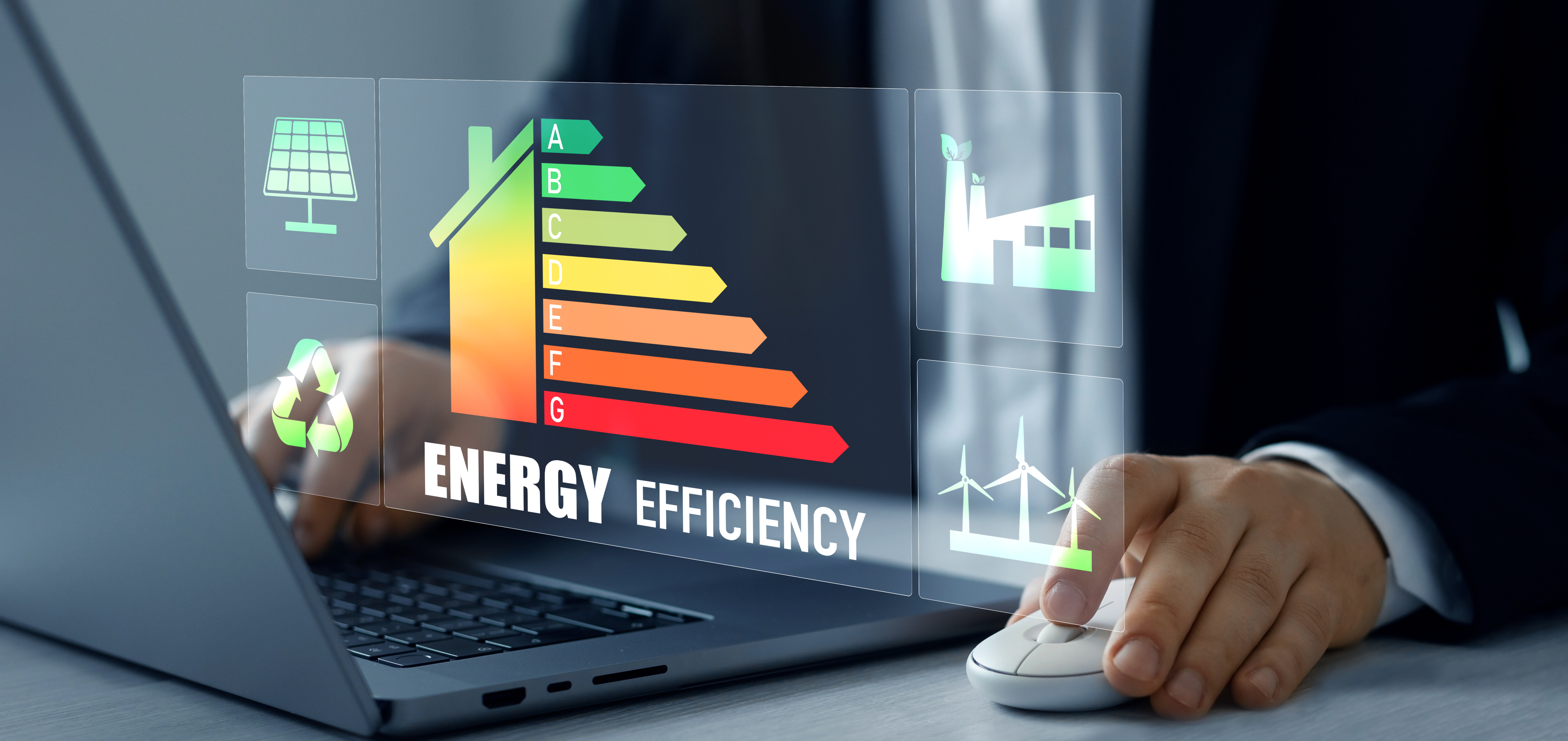
When you’re faced with the need to replace your water heater, understanding the basics can make all the difference. It can save you time, money, and a lot of headaches. Let’s start with the various types of water heaters available.
Types of Water Heaters
Water heaters come in several varieties, each with its own pros and cons. The most common are traditional tank heaters, which store a large amount of hot water, and tankless heaters that heat water on demand. Then there’s the hybrid type, which combines elements of both. Each type has its own quirks—traditional tanks are generally more affordable upfront, while tankless options might save more energy in the long run. Knowing these differences helps you pick the right one for your home.
While tank heaters are generally easier on the wallet initially, tankless models can offer savings over time. They tend to last longer and waste less energy. That said, the right choice often comes down to your household’s hot water needs. If you have a large family, a traditional tank might better suit your needs. But if your focus is on space-saving and long-term savings, a tankless water heater could be the way to go.
Tank vs Tankless Options
Now let’s dive into the battle of tank vs tankless. Many people assume bigger is always better—but that’s not always the case with water heaters. Tankless models are compact and can be mounted on walls, freeing up space. They heat water as needed, which means they’re generally more energy-efficient. On the flip side, traditional tanks hold a large amount of hot water, which can be useful during peak usage times.
Tankless heaters can reduce energy bills by up to 30%, according to some studies. However, they are more expensive upfront and can require costly electrical upgrades. Traditional tanks, while less efficient, are easier to install and typically have lower initial costs. Understanding these pros and cons can help you decide which option best fits your situation.
Breaking Down Water Heater Replacement Cost

After choosing the type of heater, it’s crucial to understand what goes into the total water heater replacement cost. It’s not just about the unit itself; there are several other factors at play. Let’s explore what influences these costs.
Factors Influencing Water Heater Replacement Cost
The price of replacing a water heater isn’t just about buying a new unit. It also involves labor, permits, and possibly upgrading your home’s water or electrical systems. If you’re opting for a high-efficiency model, be prepared for a higher initial price but potentially lower utility bills. Also, keep in mind that different brands and features can affect the final cost significantly.
The cost could range anywhere from $500 to $3,000, depending on the type and complexity of the installation. For a more detailed breakdown, check out this comprehensive guide on water heater replacement costs.
Installation Costs Explained
Installation is a big chunk of the replacement cost. Hiring a professional ensures the job is done correctly, but it comes with a price. The cost might include the removal of your old water heater, installing the new one, and any remodeling needed to accommodate it. If you’re switching from a tank to a tankless model, expect higher installation costs due to the complexity.
The installation process can vary greatly depending on your current setup. For example, upgrading from a traditional tank to a tankless system often requires modifications to your plumbing and electrical systems. These additional tasks can increase labor costs, but they ensure your new water heater functions efficiently and safely.
Choosing Energy Efficient Options
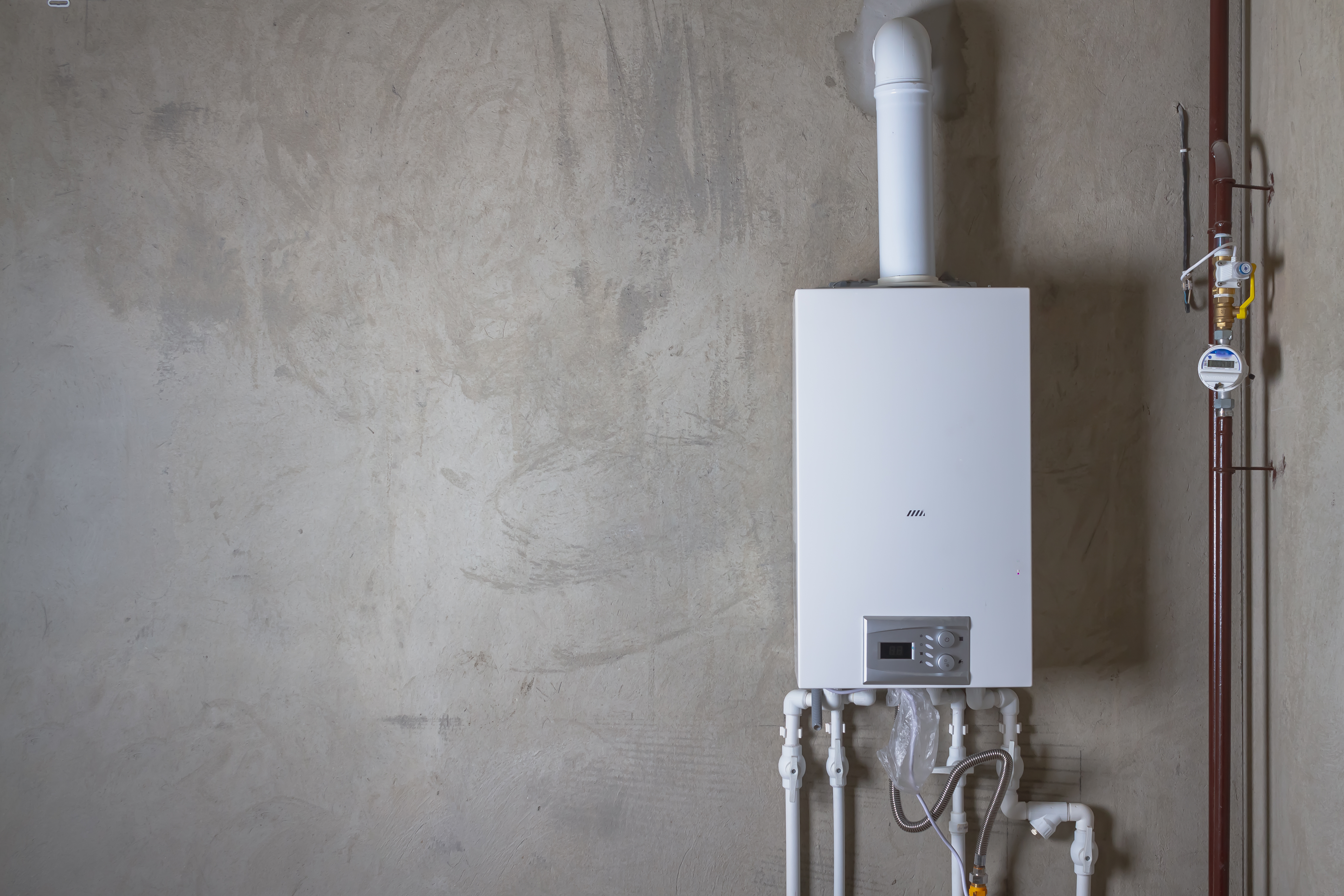
When selecting a new water heater, energy efficiency is a key factor to consider. Not only does it affect your monthly bills, but it also impacts your home’s carbon footprint. Let’s look at why energy-efficient models are worth the investment.
Benefits of Energy Efficient Water Heaters
Energy efficient water heaters use less power, which translates to lower utility bills. They also tend to be more environmentally friendly. Choosing an energy-efficient model means you’re reducing waste and conserving resources. This can be particularly appealing if you’re looking to make your home greener without sacrificing comfort or convenience.
Beyond the environmental perks, energy-efficient heaters often come with rebates or incentives. These can offset the initial higher cost. And while the upfront cost might seem daunting, the long-term savings can be substantial. For more on the advantages of energy-efficient models, visit this resource.
Long-term Savings when Considering Water Heater Replacement Cost
While energy-efficient models might cost more initially, they can lead to significant savings down the line. You can expect to save up to 20% on your energy bills annually. Over the lifespan of your water heater, this can add up to hundreds or even thousands of dollars. Plus, with fewer parts prone to wear and tear, maintenance costs are typically lower.
Considering your lifestyle and home setup is important when choosing a new water heater. Think about how much hot water your household uses and whether you plan to stay in your home long enough to reap the benefits of an energy-efficient model.
By understanding these aspects, you’re better equipped to make an informed decision on your water heater replacement. Remember, the longer you wait, the more you might miss out on potential savings and improvements in comfort!
If you have any questions about water heater replacement cost or think you need a new water heater, contact JLR Plumbing for a quote. Our 50 Gallon Water Heater costs start at $1995 plus tax.