


Don’t Let a Sink Disposal Leak Ruin Your Day: Easy DIY Plumbing Tips
Is your sink disposal leaking… well that can turn a simple kitchen chore into a messy headache fast. You might ignore that slow drip now, but it won’t stay small for long—water damage and bad smells usually follow. Luckily, knowing how to fix sink disposal leaks yourself saves time and money. Keep reading for practical DIY plumbing tips to stop that sink disposal leaking before it gets worse. Check out this helpful link for more information.
Identifying the Problem

Understanding the root of your sink disposal woes is the first step. Don’t let small leaks turn into costly repairs by knowing what to look for.
Signs of a Sink Disposal Leaking
Ever notice a puddle under your sink or an odd smell in the kitchen? These are common signs your sink disposal is leaking. You might find water dripping from the unit when it’s running, or even when it’s not.
Sometimes, the leak might be slow, leaving tell-tale wet spots or rust marks around the disposal. These are warning signs that need your attention. Ignoring them only makes the problem bigger and more expensive to fix.
Common Causes of Sink Disposal Leaking
Leaky sink disposals often result from loose connections, worn seals, or cracks in the unit. Time and use can cause bolts to loosen, leading to leaks. Seals and gaskets wear out, allowing water to seep through.
Cracks in the disposal itself can also be a culprit. These can occur if something hard gets stuck inside, damaging the disposal. Learn more about these issues on this Reddit thread.
Preparing for the Repair
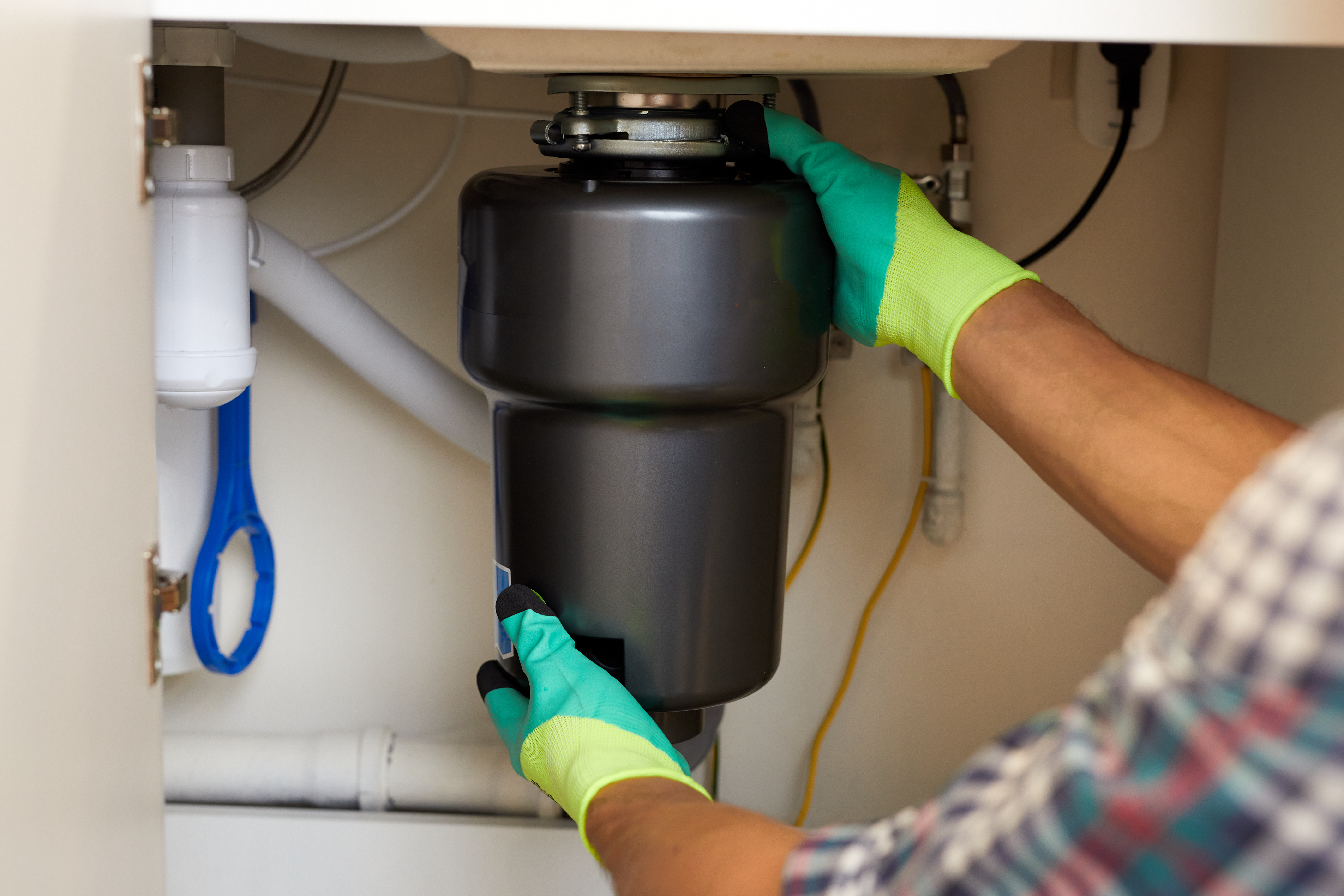
Now that you’ve identified the problem, it’s time to prepare for the repair. A smooth fix starts with the right tools and precautions.
Gathering Necessary Tools
Before diving into the repair, gather your tools. You’ll need a wrench, screwdriver, and a flashlight. Having a bucket and towels on hand helps manage any water spillages.
These tools are essential for most repairs, from tightening bolts to replacing seals. Being prepared makes the process quicker and less stressful. For detailed tool tips, take a look at this guide.
Ensuring Safety Precautions
Safety first! Before starting any repair, turn off the power to your sink disposal. It’s crucial to prevent accidents.
Wear gloves to protect your hands from sharp edges and ensure proper lighting in your work area. Remember, a small slip can lead to injury, so take these precautions seriously. More safety tips are available in this Reddit discussion.
Sink Disposal Leaking Fix

With tools ready and safety checks in place, you can tackle the repair with confidence. Let’s get that sink disposal working perfectly again.
Tightening Connections and Bolts
Loose bolts are a frequent cause of leaks. Start by checking all connections. Tighten any loose bolts with a wrench, making sure they’re snug but not overly tight.
A simple twist can often stop a leak in its tracks. You’d be surprised how many issues come from something as basic as this. If you need guidance, check out this how-to post.
Replacing Worn Seals and Gaskets can help with sink disposal leaking
Seals and gaskets can degrade over time. To replace them, first, remove the old seal. Make sure the area is clean, then fit the new seal in place.
This small replacement can make a big difference. A fresh gasket ensures a watertight seal, preventing leaks. For a detailed walkthrough, visit this helpful guide.
Clearing Drainage Problems
Sometimes, drainage issues cause leaks. Check for clogs in the disposal and pipes. Use a plunger or a drain snake to clear any blockages.
Clearing clogs not only stops leaks but also improves disposal performance. Keeping your pipes clean prevents future problems. Visit this resource for more insights.
Preventative Maintenance Tips for Sink Disposal Leaking
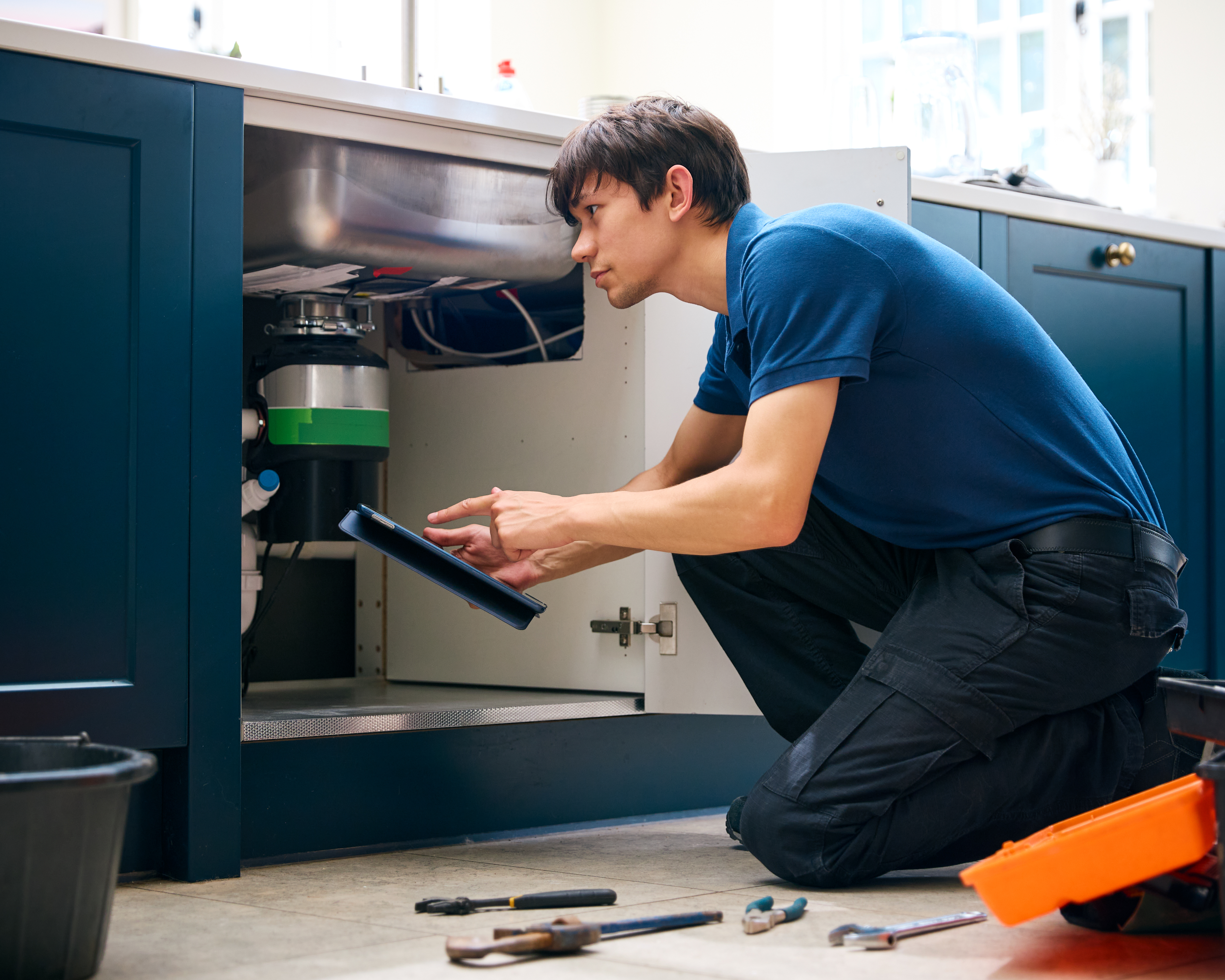
Fixing the leak is just part of the solution. To keep your sink disposal running smoothly, regular maintenance is key.
Regular Cleaning and Care
Regular cleaning prevents build-up and reduces wear on your disposal. Use a mix of baking soda and vinegar to clean the unit naturally.
Running cold water during and after disposal use helps flush out debris. This practice keeps your disposal fresh and functional. For more cleaning tips, see this guide.
Checking for Potential Plumbing Issues
Inspect your plumbing regularly for signs of trouble. Look for drips, rust, or strange noises when the disposal is operating.
Early detection of issues prevents major repairs later. It’s a small routine that saves you money and headaches. For advice on spotting plumbing problems, check out this discussion.
When to Call a Professional
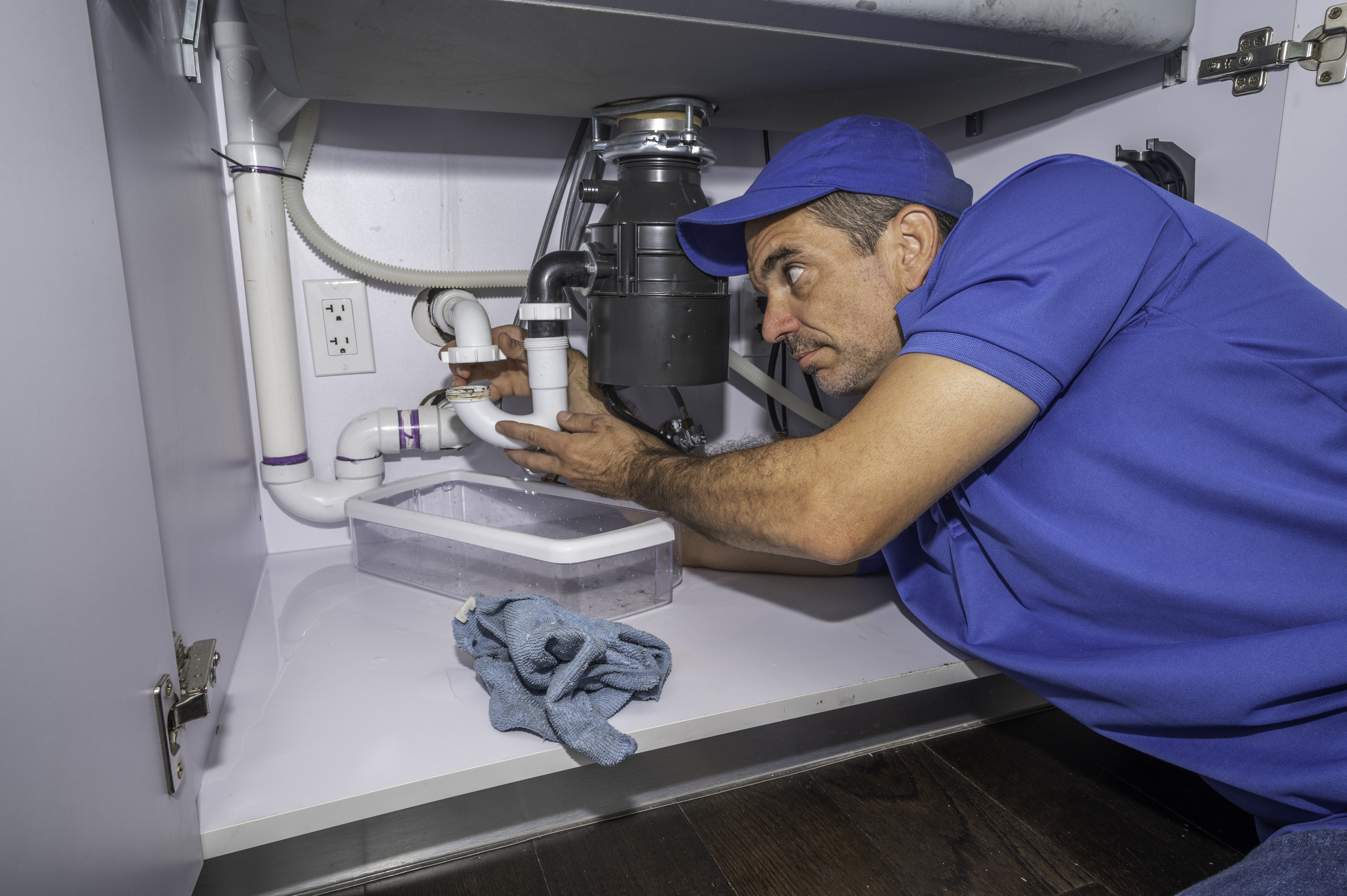
Sometimes, a DIY fix isn’t enough. Recognizing when to call in the pros can save you from a bigger mess.
Recognizing Complicated Sink Repair Needs
If you’ve tried everything and the leak persists, it might be time to call a professional. Persistent leaks or complex issues require expert hands.
A professional ensures the problem is fixed correctly, preventing further damage. Don’t hesitate to seek help if needed. For more on when to seek professional help, visit this link.
Finding Reliable Plumbing Services
Choosing the right plumber is crucial. Look for someone with good reviews and fair pricing. Ask friends or check local listings.
Reliable services ensure peace of mind and quality repairs. They might cost more upfront but save you from future issues. For tips on finding a good plumber, visit this resource.
By following these steps, you can tackle a leaky sink disposal with confidence. Remember, the key is early detection and regular maintenance. With these tips, you can enjoy a smoothly running kitchen without the stress of unexpected leaks.
If you are looking for a realiable pluming service and live in the Spokane WA or surrounding area, please shoot us a message. With over 20+ years experience, have peace-of-mind to know that the job will done right!