


How to Prevent Freezing Pipes: Your Winter Home Maintenance Guide
Most homeowners wait until a pipe bursts to worry about cold weather plumbing. That mistake can cost thousands in repairs and ruined belongings. Learning how to prevent freezing pipes now saves you stress and money when winter hits. This guide will share simple pipe insulation tips and tricks to protect your home during harsh temperatures. For more information on protecting your pipes this winter, check out this helpful resource.
Understanding Freezing Pipes
Freezing pipes pose a risk to homes, especially during cold snaps. Understanding why and where these issues occur prepares you to tackle them head-on.
Causes of Frozen Pipes
Your pipes can freeze when the temperature drops significantly. When it gets cold outside, the water inside can turn to ice, causing pressure build-up and potential bursts. Even a small crack can leak up to 250 gallons of water a day, leading to significant damage.
Commonly Affected Areas
Certain areas in your home are more prone to freezing. Unheated spaces like basements, attics, and garages often face this issue. Pipes running along exterior walls with little insulation are also at risk. According to Consumer Reports, these areas require extra attention to prevent problems.
Risks of Pipe Bursts
A burst pipe can flood your home and damage belongings. The cleanup can be costly and time-consuming. In extreme cases, structural damage can occur, bringing even more expenses. Your best defense is prevention.
Prevention Strategies
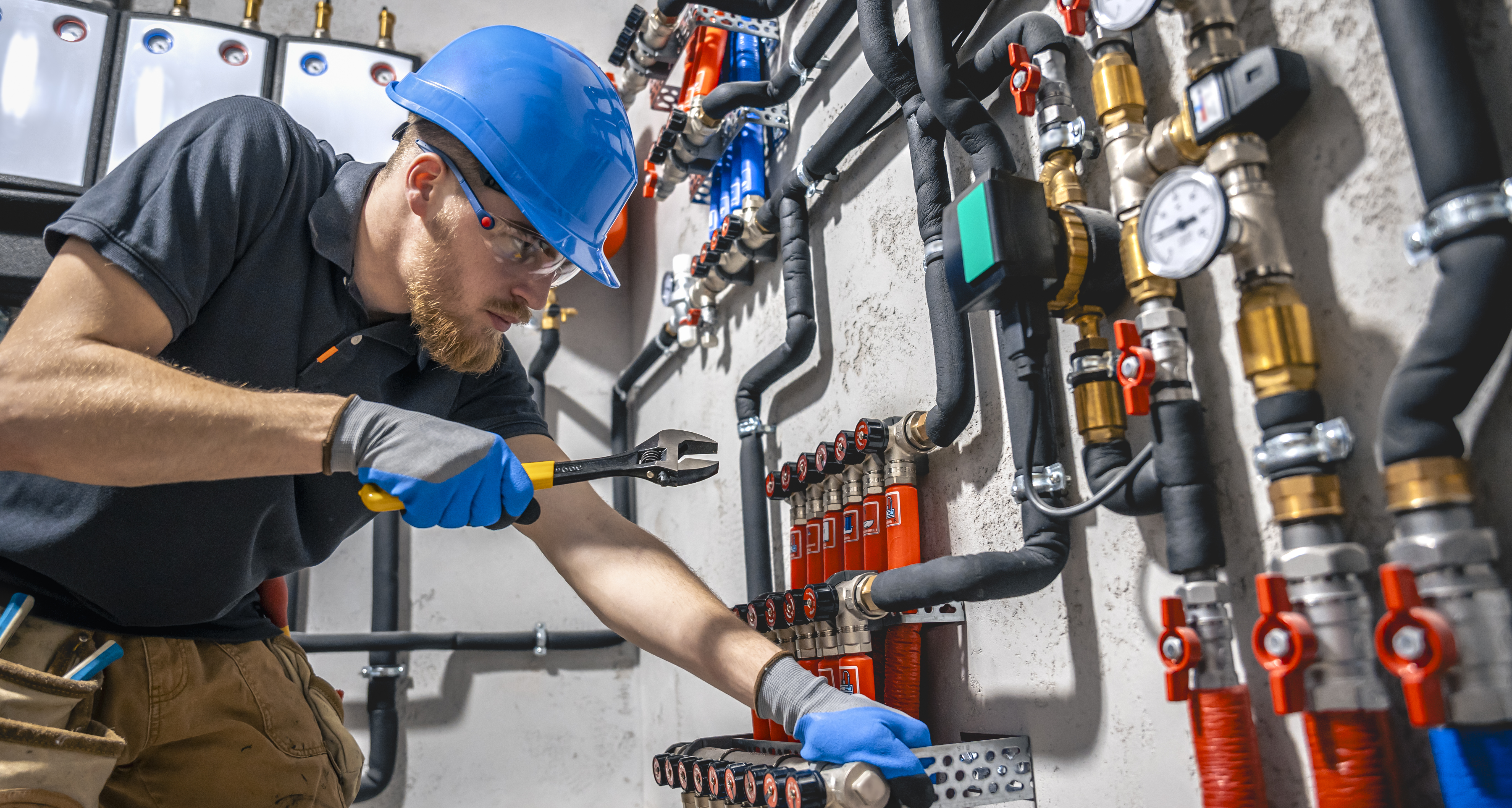
Tackling the issue before it starts is key. Here are some tried-and-true methods to keep your pipes safe this winter.
Pipe Insulation Tips
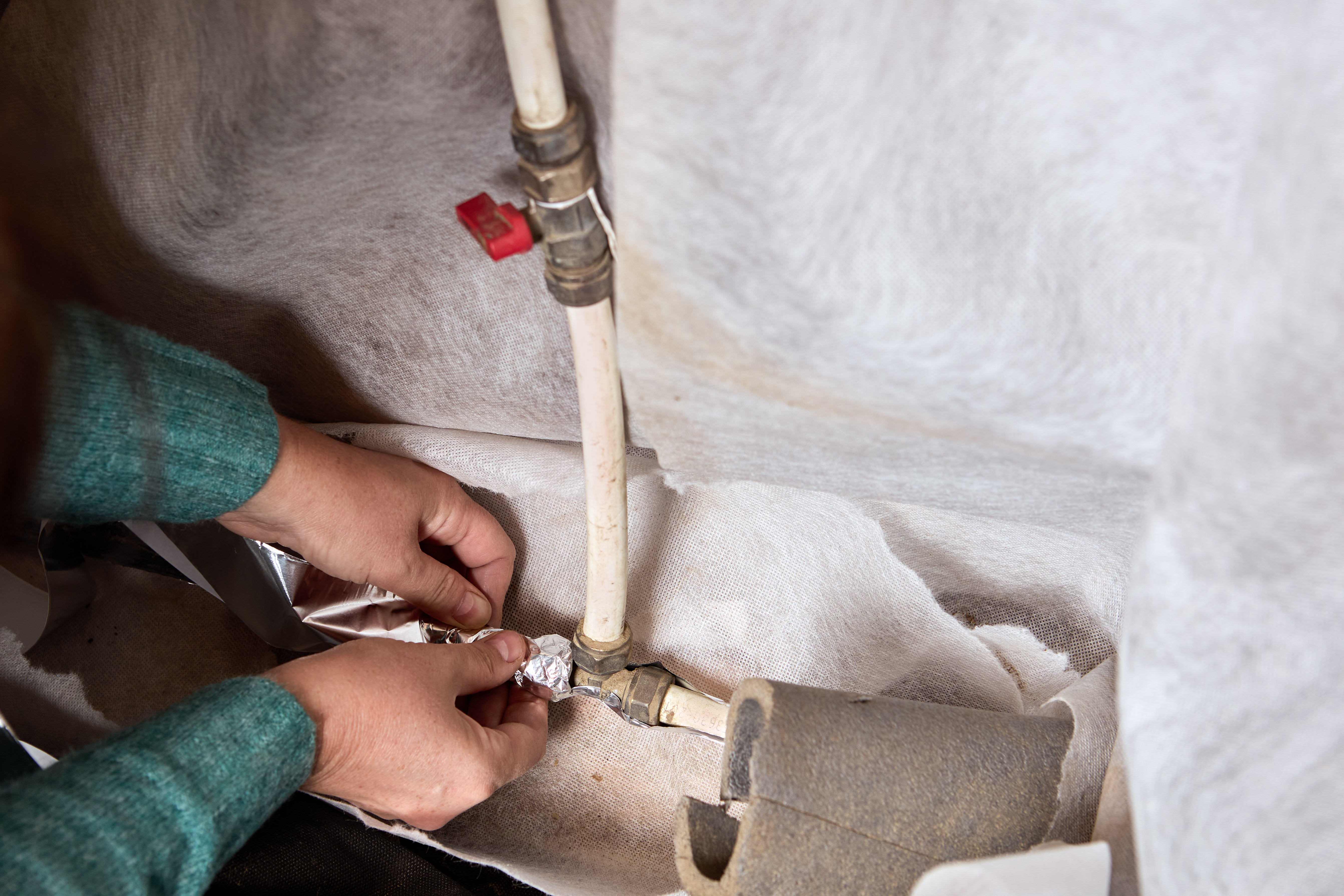
Insulating pipes is your first line of defense. Use foam pipe wrap or heat tape to keep them warm. Focus on pipes in unheated areas and those close to exterior walls. Remember, properly insulated pipes are less likely to freeze.
Outdoor Faucet Preparations
Outdoor faucets are vulnerable in winter. Disconnect hoses and drain the water. Cover the faucet with an insulated cover to keep cold air out. Home Depot offers detailed guides on choosing the right covers.
Indoor Temperature Regulation
Keeping your home warm helps prevent freezing. Maintain a consistent indoor temperature, even when you’re not home. Open cabinet doors to allow warm air to circulate around plumbing. Your thermostat can be a valuable tool in pipe protection.
Cold Weather Plumbing Tips
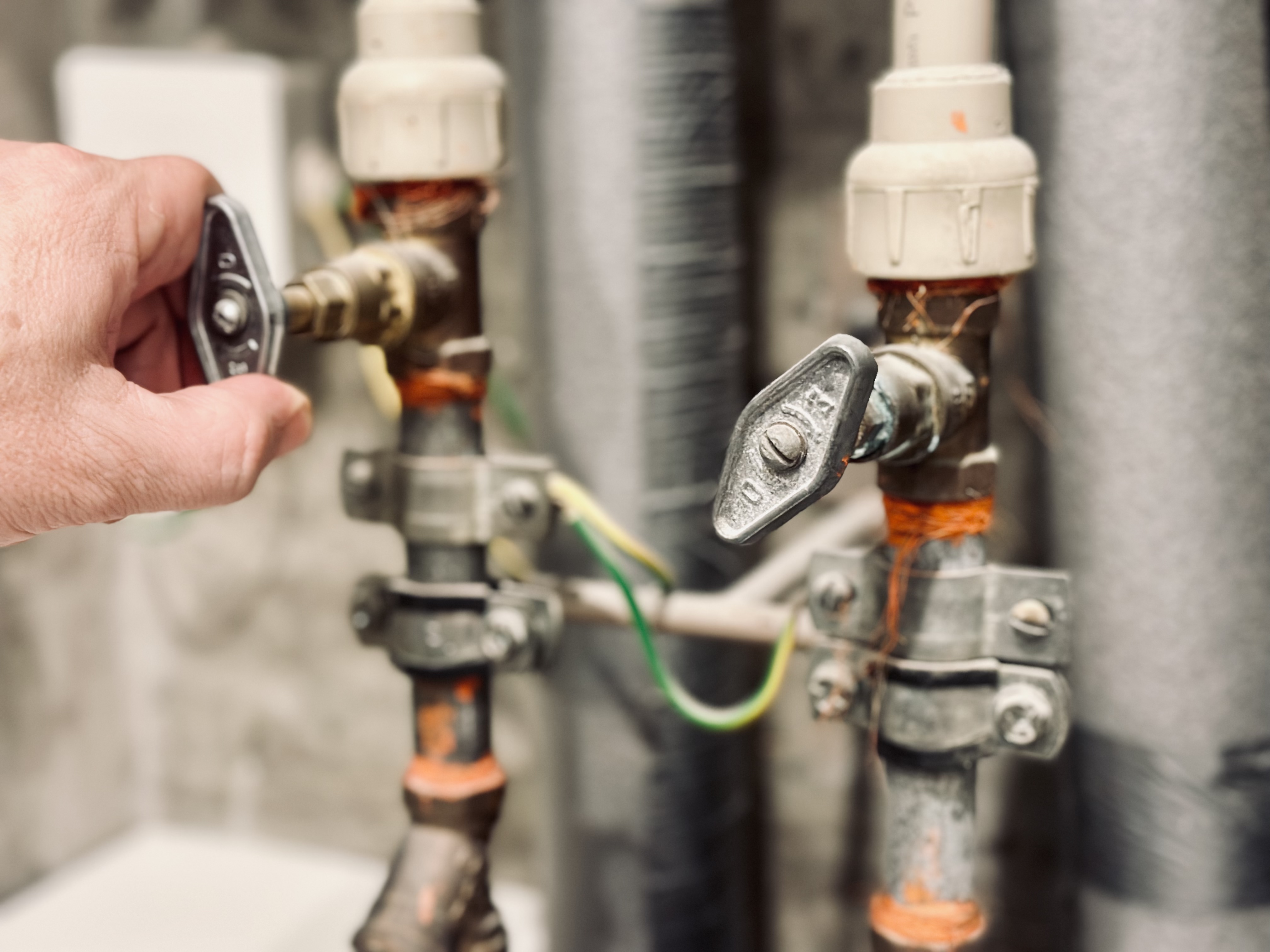
Thinking ahead can save you a headache when temperatures drop.
How to Avoid Frozen Pipes
To avoid frozen pipes, keep water moving. Let a trickle of water flow through faucets during cold spells. This simple act can prevent freezing and save you from costly repairs later on.
Water Flow Management
Water management is crucial during winter. Know where your main water shutoff valve is located and how to use it. In case of a pipe burst, quick action can minimize damage.
Seal Drafts and Air Leaks
Drafts can lead to frozen pipes. Seal gaps around windows and doors to keep cold air out. Insulating your home helps maintain a stable temperature, reducing the risk of freezing pipes.
Responding to Frozen Pipes
If your pipes do freeze, quick and safe action is necessary.
Thawing Frozen Pipes Safely
If you suspect a frozen pipe, act fast. Use a hairdryer or a heating pad to thaw it out gently. Avoid open flames or torches, as these can cause fires. For more detailed guidance, check out State Farm’s winter prep tips.
When to Call a Professional
If you can’t thaw a pipe or suspect a burst, it’s time to call a plumber. Professionals can handle the situation safely, preventing further damage. Don’t hesitate to seek help if you’re unsure.
Prevent Pipe Bursts
Preventing bursts involves a proactive approach. Regularly check your pipes for signs of wear or leaks. Addressing small issues early can prevent bigger problems down the line.
Long-term Home Maintenance
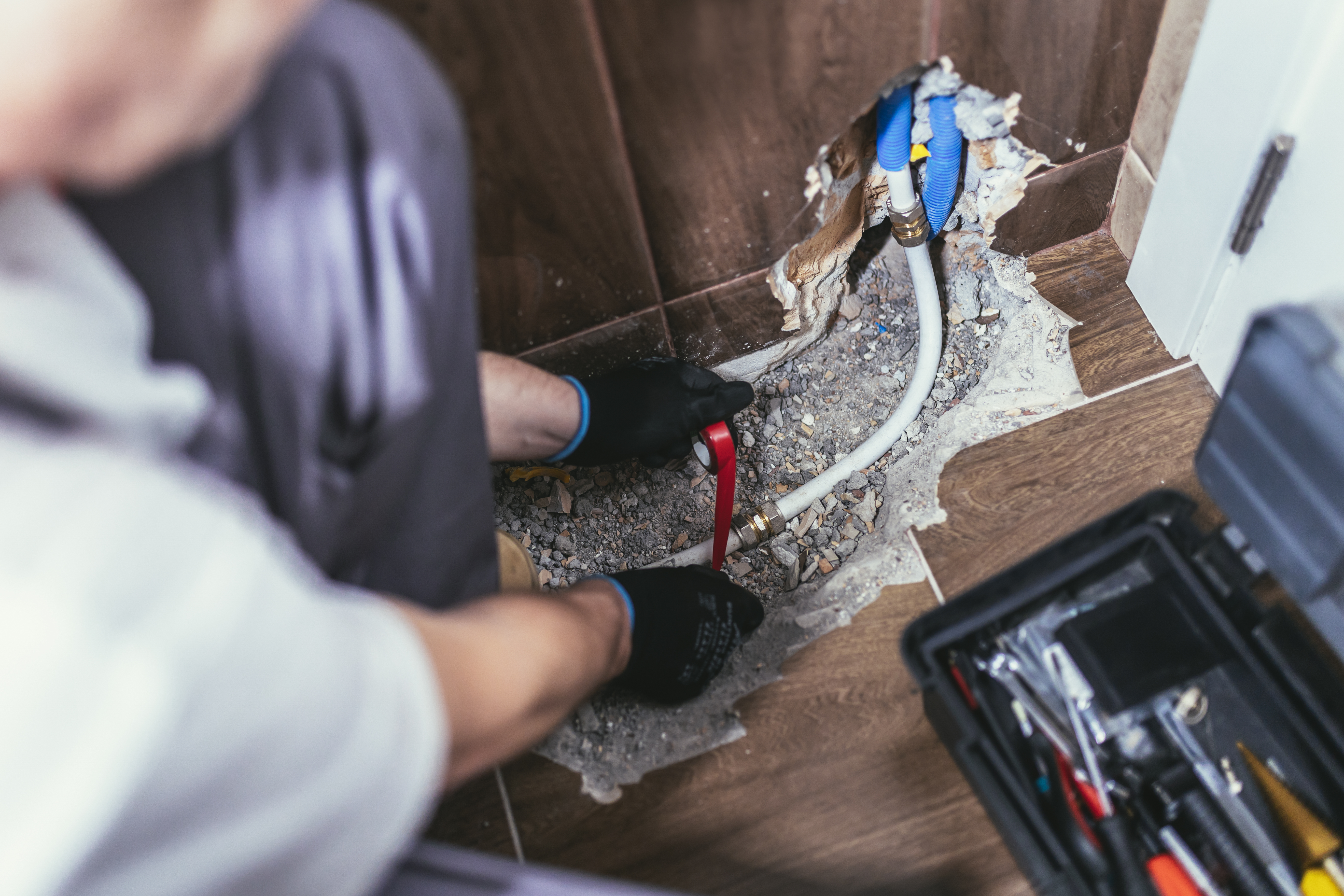
Consistent care is the key to keeping your home safe year-round.
Routine Winter Checks
Perform regular checks to ensure your pipes are in good shape. Inspect insulation and seals, and fix any issues promptly. Developing a routine can save you from unexpected surprises.
Upgrading Plumbing Systems
Consider upgrading old plumbing systems. Newer materials and techniques can offer better protection against the cold. Investing in modern solutions can pay off in the long run.
Smart Home Solutions for Winter
Technology can be a great ally. Smart thermostats and sensors can help monitor temperature and detect problems early. Explore options that fit your home and budget for added peace of mind.
By taking these steps, you’re not just preventing freezing pipes—you’re ensuring your home stays safe and warm all winter long. For more comprehensive tips, visit this winter plumbing maintenance checklist.