


Water Heater Problems: Keeping Your Home Cozy and Comfortable
When you have water heater problems, cold showers become the least of your worries. You might face unexpected repairs or rising energy bills without clear signs of what’s wrong. Knowing how to spot common water heater issues and tackle quick fixes can save you time and stress. Let’s walk through practical water heater troubleshooting tips that keep your home warm and comfortable all year long. For more details, you can check out this resource.
Understanding Common Water Heater Problems
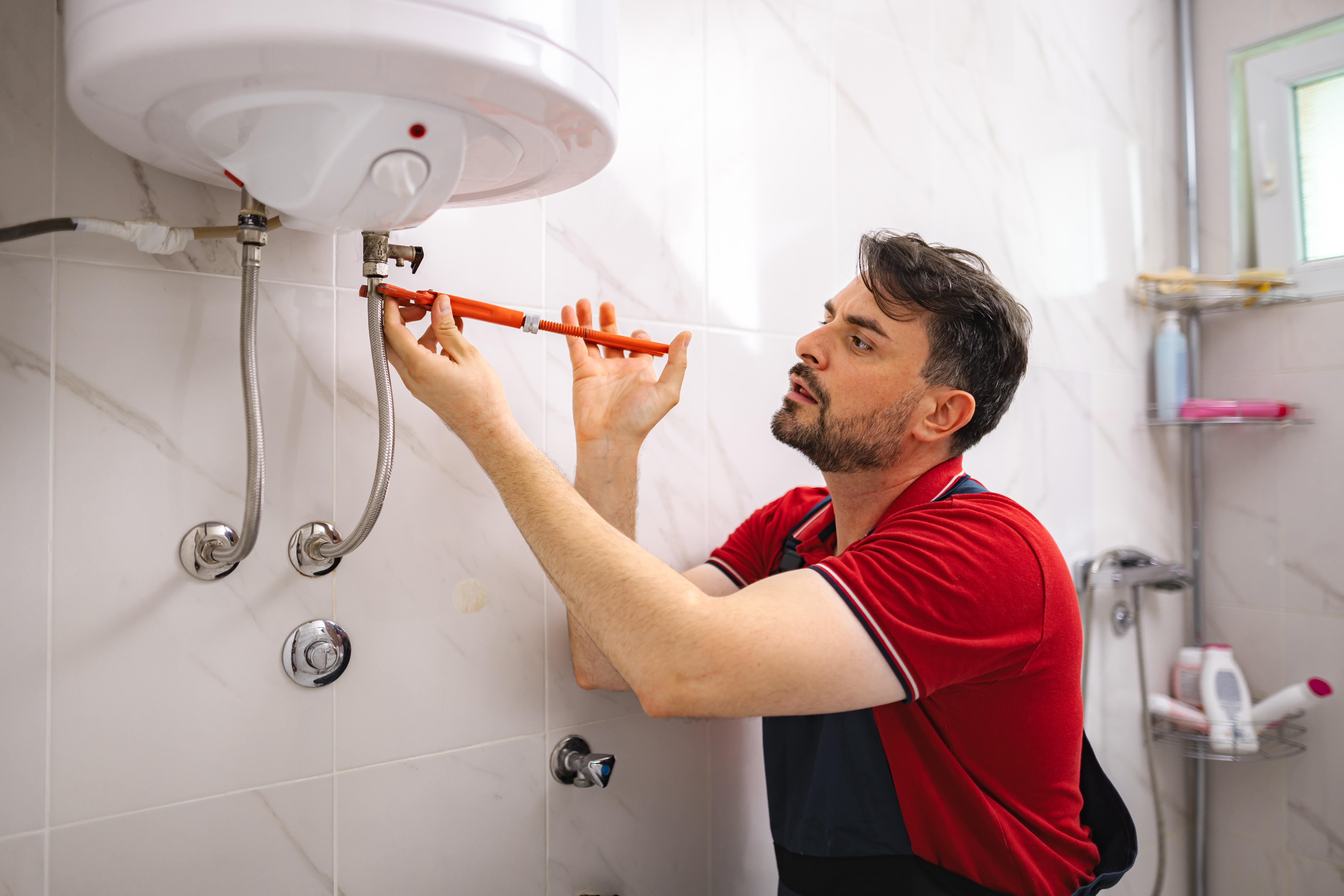
Let’s dive into the world of water heaters and uncover what might be going wrong. By understanding the signs and causes, you can tackle issues with confidence.
Identifying the Symptoms
When your water heater acts up, the first step is recognizing the symptoms. Common water heater problems often start with inconsistent water temperatures. You might notice lukewarm water when you expect it to be hot, or maybe the water runs out faster than usual. Another symptom is noise—pops and cracks can signal sediment build-up. Learn more about symptoms here.
Water that appears rusty or has an odd smell could also point to internal issues. Finally, if you spot leaks around the unit, it’s time to take action. Each of these signs tells a story about what’s happening inside your water heater.
Causes of Water Heater Problems
Several culprits could be behind your water heater’s woes. Sediment build-up is a frequent offender, especially in areas with hard water. This sediment can settle at the tank’s bottom, affecting heating efficiency. Another common cause is a faulty thermostat, which can lead to unpredictable water temperatures.
Sometimes, the issue might be with the heating elements themselves. Over time, these components can wear out, leading to insufficient heating. Additionally, consider the age of your water heater. Older models are more prone to issues, and parts may simply be wearing out.
When to Seek Professional Help
While minor issues can often be handled at home, some situations call for expert intervention. If your water heater is leaking significantly or if you notice electrical issues, it’s time to consult a professional. A qualified technician can help prevent further damage and ensure safety.
For heaters over ten years old, frequent problems might suggest it’s time for a replacement. Professionals can provide insights into whether a repair is feasible or if a new unit is the way to go. Explore when to get professional help here.
Basic Water Heater Troubleshooting
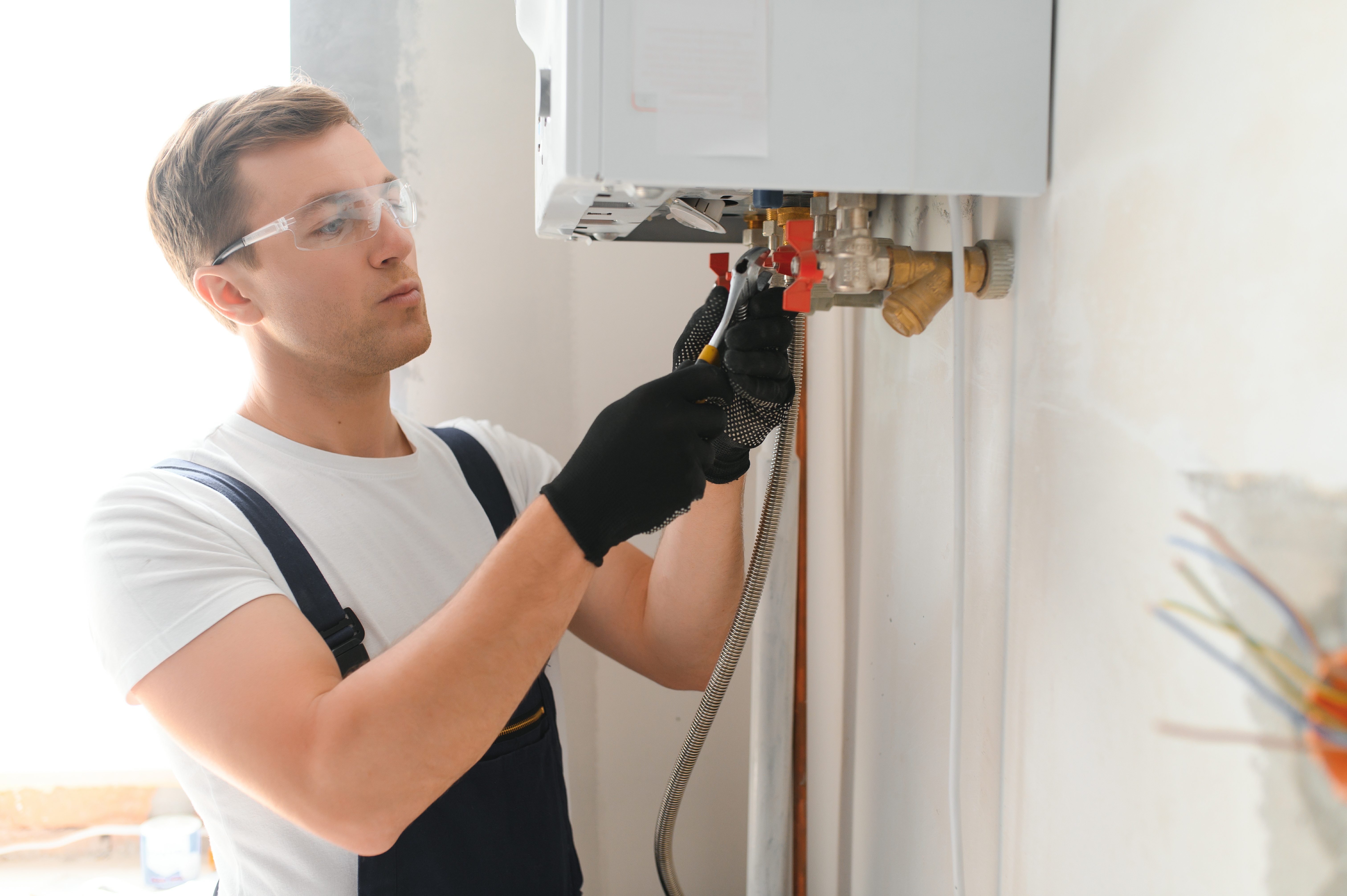
Understanding the basics of troubleshooting can empower you to handle minor issues before they escalate.
Simple Fixes You Can Try
There are a few straightforward fixes you can attempt on your own. First, try resetting the thermostat. This simple step can often resolve temperature inconsistencies. If sediment is the issue, consider flushing the tank. This involves draining the water to clear out build-up, a task you can do annually to prevent problems. Check out this guide for more DIY fixes.
For electric heaters, replacing a heating element might be necessary. This task requires some tools, but many homeowners find it manageable. Remember, always turn off power and water supply before beginning any repair work.
Tools You Might Need
Getting the right tools is crucial. A garden hose for draining, a screwdriver for panel removal, and a multimeter for electrical checks are handy to have. For sediment flushing, a bucket and wrench can be useful as well. Basic tools can make troubleshooting easier and safer.
Having a toolkit ready means you’re prepared for minor repairs, making the process smoother. Plus, familiarizing yourself with these tools boosts your confidence when tackling issues.
Safety Precautions to Consider
Safety should always be at the forefront when dealing with water heaters. Ensure power is off before any inspection or repair to prevent electrical hazards. When dealing with gas heaters, check for gas smells, and ensure proper ventilation in the area.
Water can be extremely hot, so use caution to avoid burns, especially when draining the tank. Wearing gloves and protective eyewear adds an extra layer of safety. Review safety tips here.
Performing Regular Water Heater Maintenance Can Prevent with Water Heater Problems
Regular maintenance can be your best friend in preventing costly repairs and ensuring your heater runs smoothly.
Routine Maintenance Tips
Simple maintenance steps can extend the life of your water heater. Regularly inspect the unit for leaks or corrosion. Flushing the tank annually can prevent sediment build-up—a common cause of inefficiency and breakdowns.
Check the pressure relief valve to ensure it’s functioning correctly. This valve prevents excess pressure and is vital for safety. By staying proactive, you can avoid unexpected issues and maintain a consistent hot water supply.
Extending the Life of Your Heater
Proper care can significantly extend your water heater’s lifespan. Adjusting the thermostat to a moderate temperature can reduce wear and tear. A water heater blanket can also improve efficiency by retaining heat.
Installing a water softener can help if your area has hard water, reducing sediment accumulation. These small steps contribute to a longer-lasting, better-performing water heater.
Importance of Regular Inspections
Regular inspections by a professional can identify potential problems before they become major issues. These checks ensure all components are working efficiently and safely.
During an inspection, a technician can provide valuable insights into the condition of your heater, offering peace of mind. Regular inspections are important for safety and efficiency.
Advanced Fixes for Persistent Water Heater Problems

If problems persist, some more advanced repairs might be necessary. Here’s how to tackle a few common issues.
Dealing with Temperature Fluctuations
If your water temperature is inconsistent, start by checking the thermostat settings. Ensure they are set correctly and that both thermostats (for dual-element heaters) are in sync. Fluctuations can also stem from a defective thermostat or heating element, which may need replacement.
If you’re unsure, consulting a professional is wise. They can pinpoint the problem and recommend either a repair or replacement.
Fixing Water Leaks
Water leaks can quickly escalate if not addressed. Start by checking connections and valves for any signs of wear or damage. Tightening loose connections can sometimes resolve minor leaks.
For more significant leaks, a component might need replacing. Regularly inspecting your heater can help catch these issues early, minimizing damage and cost. Discover more about fixing leaks here.
Resolving Noisy Water Heaters
Noisy heaters often result from sediment build-up. Flushing the tank can help alleviate this issue. If noises persist, it might indicate a more significant problem like a failing heating element.
In some cases, installing a water hammer arrestor can stop the noise, especially if it’s due to sudden pressure changes in the pipes. Addressing noise issues promptly can prevent bigger problems in the future.
When to Replace Your Water Heater
Every water heater has a lifespan, and knowing when to replace it can save you time and hassle.
Signs It’s Time for a New Heater
Several signs can indicate it’s time for a replacement. Age is a major factor; heaters over ten years old are likely nearing the end of their lifespan. Frequent repairs are another indicator, especially if costs are adding up.
If you notice rust in your water or on the heater itself, it’s a sign the unit’s integrity is compromised. Newer models offer improved efficiency and reliability, making replacement a smart choice.
Choosing the Right Replacement
When selecting a new water heater, consider your household’s needs and energy efficiency. Tankless models, for instance, provide on-demand hot water and can be more efficient.
Size matters too—ensure the capacity fits your home’s requirements. Consulting with a professional can help you choose the best option for your needs and budget.
Professional Installation Benefits
Professional installation ensures your new heater is set up correctly and safely. Experts have the skills to handle complex installations, preventing future issues. They can also advise on maintenance to help you get the most out of your new heater.
By choosing professional installation, you gain peace of mind and maximize your investment. After all, a well-installed heater is key to a warm and comfortable home.
In summary, understanding, troubleshooting, and maintaining your water heater can help you avoid cold showers and unexpected bills. With the right knowledge and tools, you can keep your home cozy and your water heater running smoothly.
If your water heater is giving you problems and are in the Spokane WA or surrounding area, contact JLR Plumbing. With over 20+ years of professional experience know that we will get the job done right.