


Tankless Hot Water Heater Maintenance: 10 Essential Tips
Most homeowners think tankless hot water heaters run trouble-free once installed. The truth is, without regular maintenance, they can lose energy efficiency fast and lead to costly repairs. Knowing the right maintenance tips will keep your water heater care on point and your plumbing advice simple. Let’s break down the 10 essential steps to protect your investment and avoid unexpected problems. For more detailed insights, check out this guide on tankless water heater maintenance.
Understanding Your Tankless Hot Water Heater
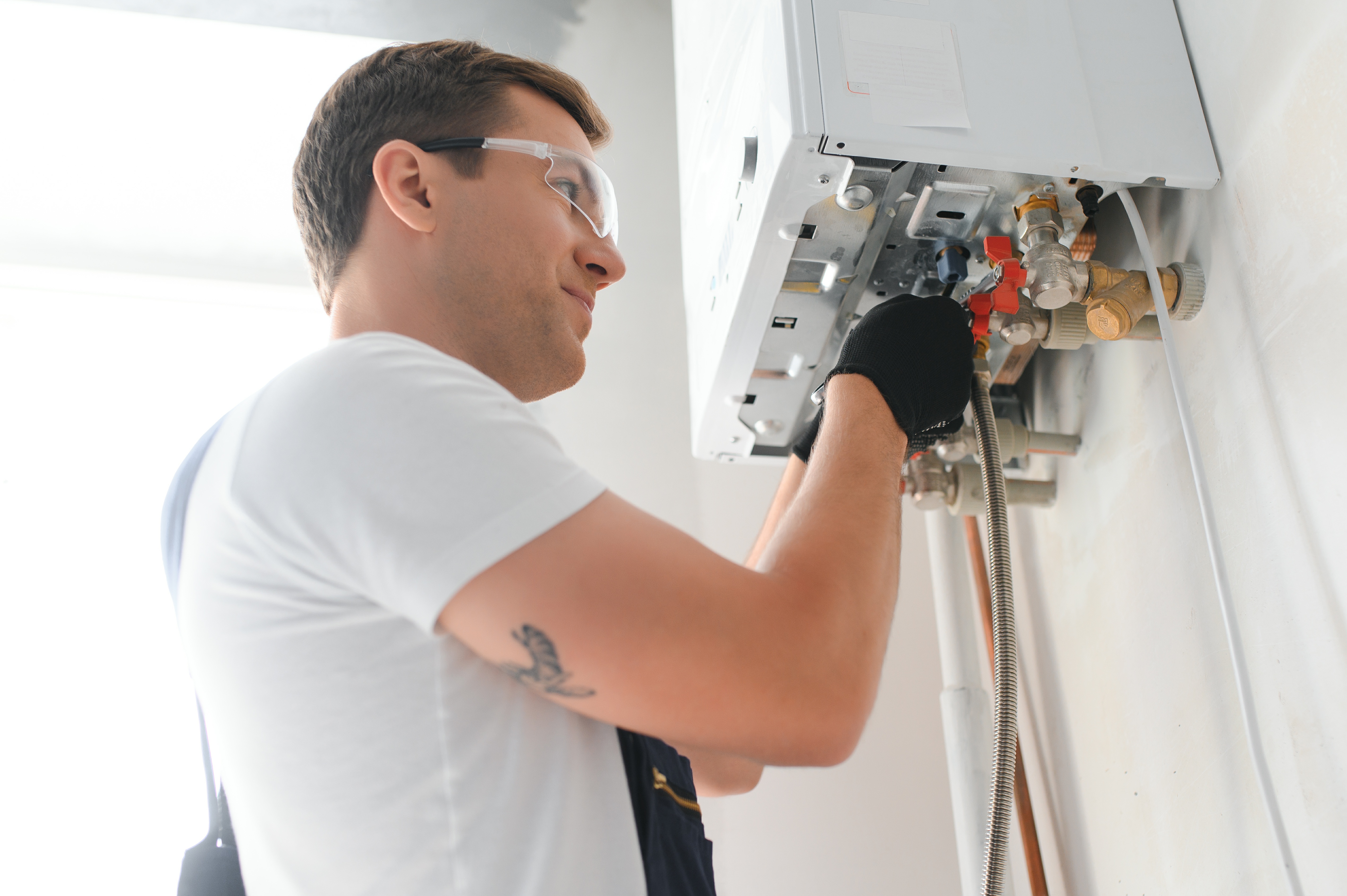
You’re about to dive into the world of tankless hot water heaters, a realm where understanding the basics can make all the difference. Let’s start by looking at how these systems function and why they’re a smart choice.
How Tankless Systems Work
Picture this: you turn on the hot water tap, and instead of a bulky tank heating gallons of water, a compact unit springs into action. That’s how a tankless system works! Water flows through the unit, and a heat exchanger warms it on demand. This means you only heat the water you use, saving energy and space.
Most people believe tankless systems are complicated, but they’re simpler than you think. These systems use either gas or electricity to heat the water as it passes through. The result? Endless hot water without the wait or wastage. For a deeper dive into this process, visit this resource.
Benefits of Going Tankless
Switching to a tankless water heater offers more than just hot water on demand. One of the standout benefits is the significant energy savings. Traditional heaters keep a reservoir of water hot 24/7, using more energy in the process. Tankless models, however, heat water only when needed, which can cut your energy bill substantially.
Another perk is the longevity of these systems. While typical water heaters last around 10-15 years, a well-maintained tankless model can serve you for over 20 years. Plus, their compact size frees up valuable space in your home. Considering these advantages, it’s no surprise that more homeowners are making the switch. Check out this Facebook group discussion for real-life experiences from other homeowners.
Routine Maintenance Tips
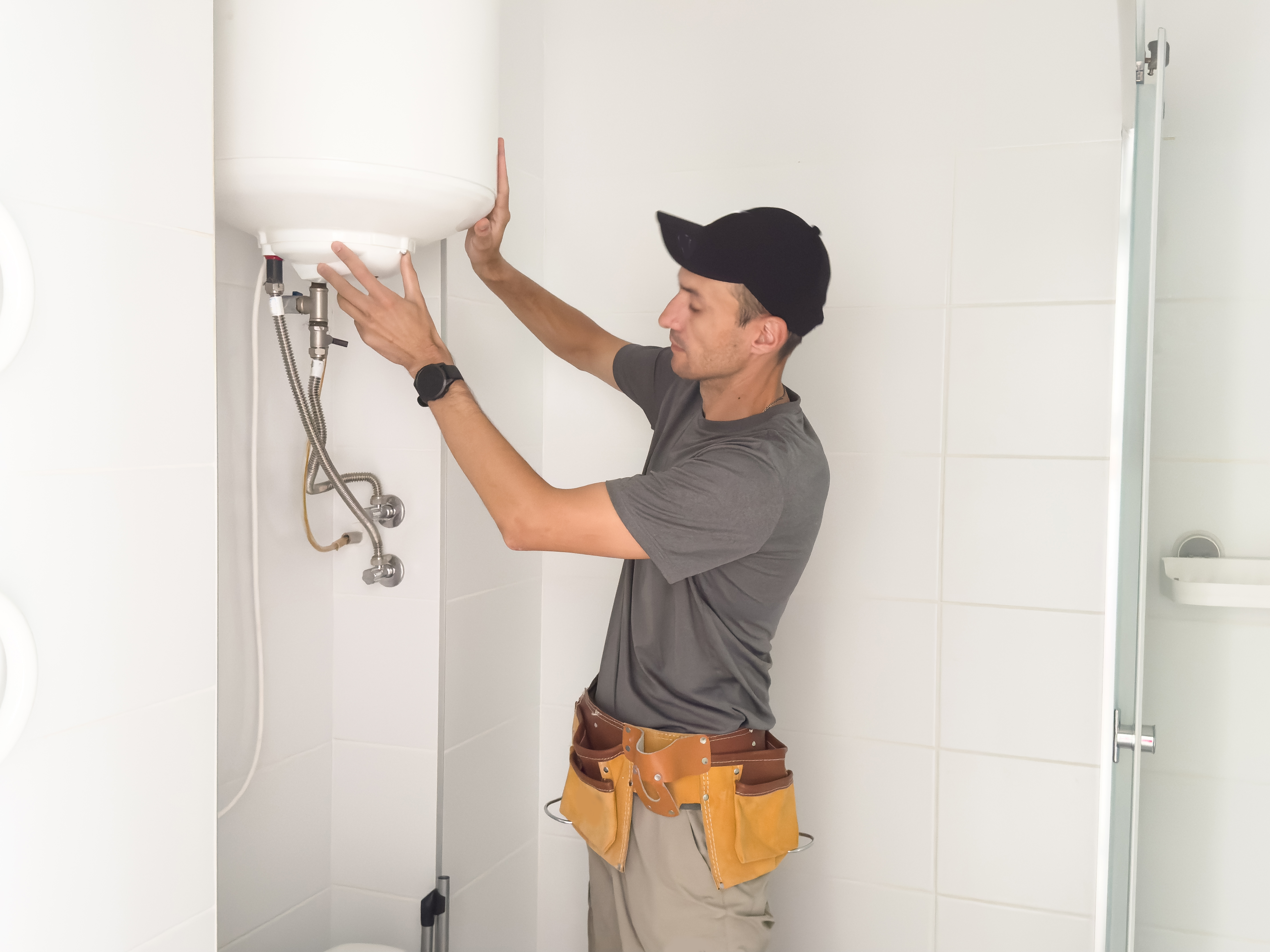
Maintaining your tankless hot water heater is crucial to its performance and longevity. Let’s explore the key maintenance tasks that keep your system running smoothly.
Regular Descaling
Did you know that mineral buildup is a silent enemy for tankless systems? Descaling is a must to combat this. Hard water can leave deposits inside the unit, affecting its efficiency. Regular descaling ensures that the heat exchanger remains in top shape, providing you with consistent hot water.
To descale, you’ll need a vinegar solution and a few basic tools. This process should be done every 12-18 months, depending on your water hardness. By keeping the system clean, you’re not only ensuring smooth operation but also extending its lifespan. For step-by-step descaling instructions, read this comprehensive guide.
Cleaning Air and Water Filters
Your tankless water heater’s filters play a vital role in its operation. The air filter prevents debris from entering the system, while the water filter catches particles in the water. Over time, these filters can become clogged, reducing efficiency and water flow.
To keep your system in peak condition, clean the filters every few months. Simply remove them, rinse under running water, and reinstall. This small maintenance task can prevent costly repairs down the line. For more insights, visit this maintenance resource.
Ensuring Energy Efficiency
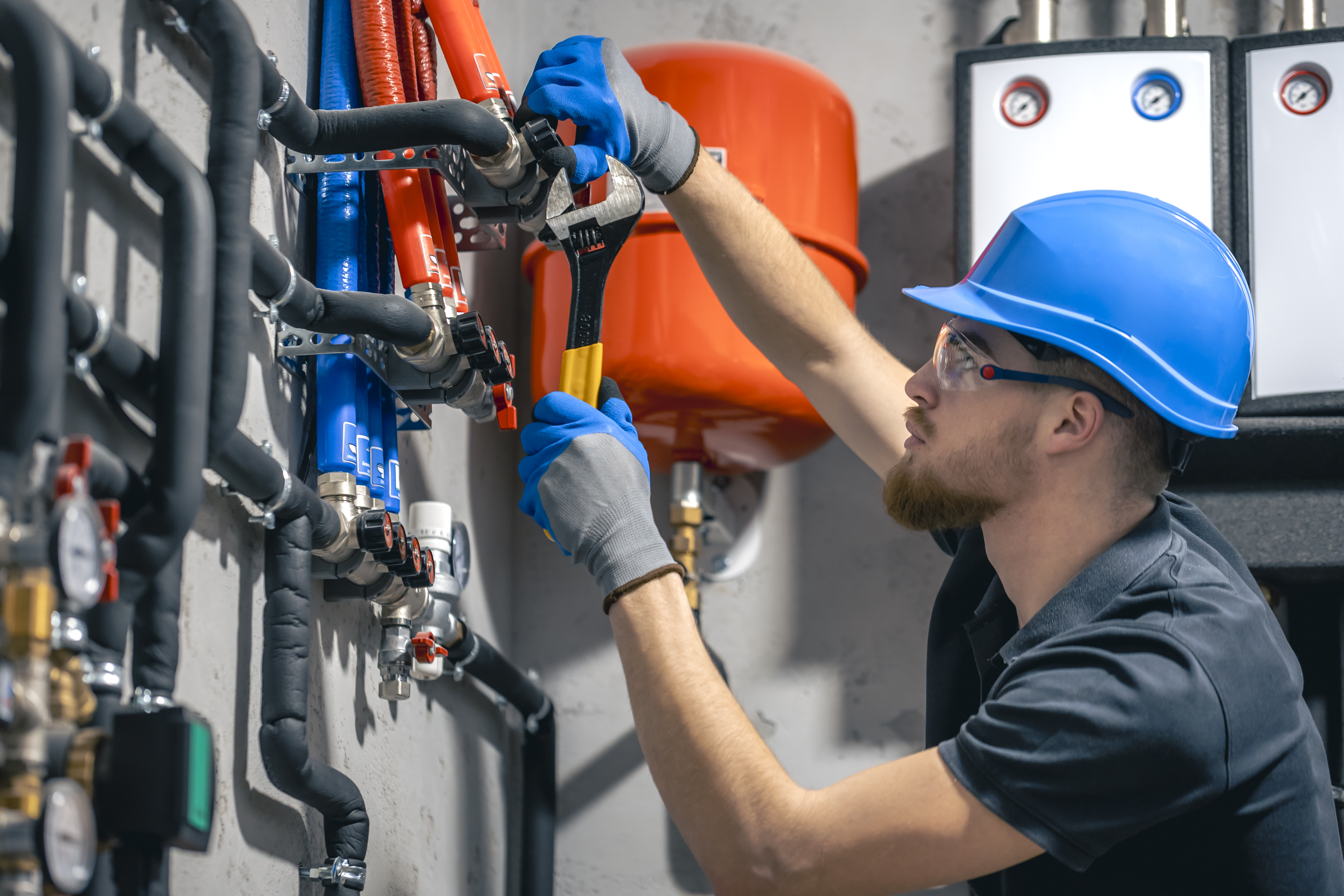
Keeping your tankless system energy-efficient is not just good for the planet—it’s great for your wallet too. Here’s how you can fine-tune your heater for maximum savings.
Temperature Setting Adjustments
Most people set their water heaters to high temperatures without a second thought. But did you know that reducing the temperature by just a few degrees can save significant energy? The ideal setting is usually around 120°F. This prevents scalding and reduces energy usage without compromising on comfort.
Adjusting the temperature is simple and can be done using the control panel on your unit. This small tweak can lead to noticeable savings on your energy bill. Interested in more tips on energy efficiency? Check out this article.
Inspecting and Insulating Pipes
You might not notice, but heat loss can occur in the pipes that carry hot water from your heater. By insulating these pipes, you can keep the water hotter for longer. This means the heater doesn’t have to work as hard, saving you energy and money.
Insulation sleeves are an easy and affordable way to tackle this issue. Inspect your pipes regularly for signs of wear or damage, and replace insulation as needed. This simple step ensures your system runs efficiently all year round.
Troubleshooting Common Issues
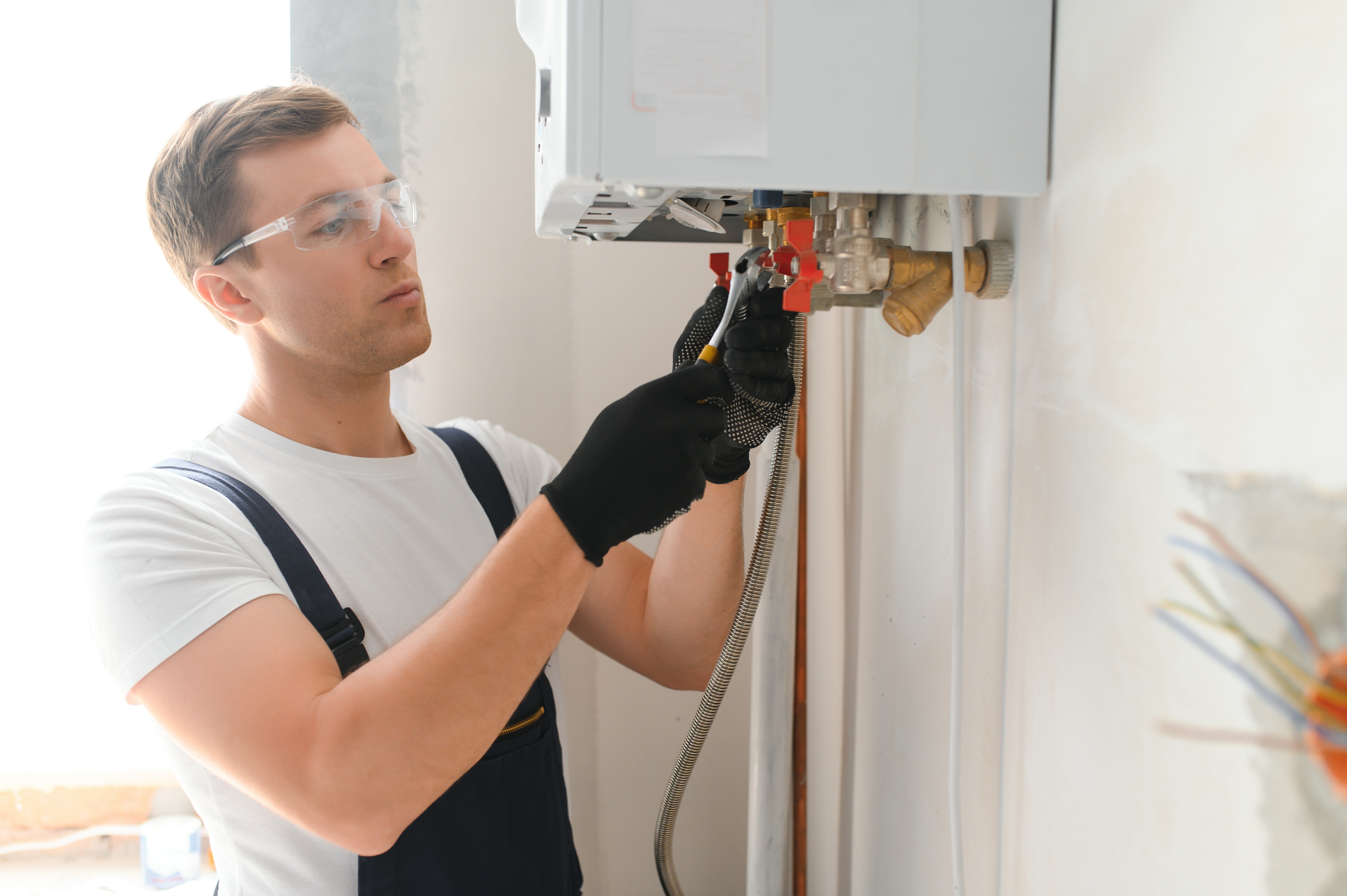
Even with regular maintenance, issues can arise. Knowing how to identify and address common problems can save you a lot of hassle.
Recognizing Flow Rate Problems
Having trouble with water flow? This could be due to a flow rate issue. Tankless systems have a maximum flow rate, which means they can only heat a certain amount of water at once. If multiple taps are running, you might notice a drop in temperature or pressure.
To solve this, reduce the number of simultaneous uses or consider upgrading your unit if your household demands have increased. Understanding your system’s limitations helps maintain performance and prevents unnecessary strain.
Addressing Ignition Failures
If your heater isn’t igniting, it might be due to a gas supply issue or a problem with the ignition system itself. First, check that the gas valve is open and there’s no blockage. If everything looks fine, it might be time to call a professional to inspect the ignition components.
Regular maintenance can prevent these issues, but knowing when to seek expert help is crucial. For more troubleshooting tips, explore this detailed guide.
Professional Plumbing Advice
Sometimes, despite your best efforts, professional help is necessary. Here’s when to call in the experts.
When to Call an Expert
If your tankless water heater is still underperforming after you’ve tried the basic fixes, it might be time to call a plumber. Persistent issues like constant cold water or recurring error codes are signs that professional intervention is needed.
Experts have the tools and knowledge to diagnose and fix complex problems that DIY efforts might miss. Don’t hesitate to reach out when your system needs more than a quick fix. Remember, the longer you wait, the worse the issue can become.
Finding Reliable Plumbing Services
Choosing the right plumbing service is crucial for quality repairs. Look for licensed and experienced professionals who specialize in tankless systems. Ask for recommendations, check online reviews, and ensure they offer warranties on their work.
Reliable plumbing services can make a world of difference in the longevity and performance of your heater. With the right team, you can enjoy peace of mind and a steady supply of hot water. For additional tips on selecting a plumber, visit this helpful blog.
By following these essential maintenance tips, you can keep your tankless hot water heater running efficiently for years to come. Remember, regular upkeep is the key to avoiding unexpected problems and ensuring your investment pays off in energy savings and comfort.