


Hot Water Tank Maintenance: How to Extend Your Water Heater’s Life
Most homeowners ignore hot water tank maintenance until a cold shower forces their hand. That sudden chill is a clear sign your water tank needs care—before small issues turn costly. This guide shares simple water tank upkeep steps that help you prevent water heater issues and extend water heater life with easy home maintenance tips.
Regular Hot Water Tank Maintenance Checks

Keeping your water heater in top shape ensures a consistent hot water supply and prevents expensive repairs. Dive into these straightforward checks to spot issues early and save yourself from future headaches.
Inspect for Leaks
Leaks are the silent troublemakers of water heaters. They can start small, but over time, they might lead to bigger problems like water damage or even a complete breakdown. Begin with a visual inspection around the base of the unit. Look for any puddling water or moisture on the connections.
Even a small drip can indicate a problem. Tighten any loose connections you find. If you discover a persistent leak, it might be time to call a professional. Remember, catching leaks early can save you hundreds in repair costs.
Flush the Tank Annually
Sediment buildup is a common issue that can affect your water heater’s efficiency. By flushing the tank once a year, you can remove these deposits and keep your heater running smoothly. Here’s how to do it:
-
Turn off the power to the heater and close the cold water supply valve.
-
Connect a hose to the drain valve and run it to a drain or outside.
-
Open the valve and let the water flow out completely.
This simple task can improve performance and prevent future issues. Most people think their heater is fine without this step, but regular flushing can significantly extend its lifespan.
Hot Water Tank Maintenance: Essential Component Care
Beyond general checks, some vital components need your attention. Neglecting these parts can lead to inefficient heating and unexpected breakdowns. Let’s uncover the secrets to keeping them in prime condition.
Check Anode Rod
The anode rod is a crucial element that prevents rust inside your tank. This rod attracts corrosion, sacrificing itself to protect the tank. But if it wears out, your heater becomes vulnerable. To check it, follow these steps:
-
Turn off the power and water supply.
-
Locate the rod, typically on the top of the heater.
-
Unscrew the rod and inspect it. If it’s less than half an inch thick or coated with calcium, replace it.
Regularly checking this rod can add years to your heater’s life. Most ignore this, thinking it’s not vital, but it plays a key role in preventing rust.
Test the Pressure Valve
The pressure relief valve is a safety feature that releases pressure if it gets too high. Testing it ensures your heater operates safely. Here’s how:
-
Place a bucket under the discharge pipe.
-
Lift the valve lever and let some water flow out.
-
If water continues to drip after releasing the lever, it might be time for a replacement.
Regular testing can prevent dangerous pressure build-up. Think of it as a small effort for your family’s safety.
Proactive Hot Water Tank Maintenance Practices
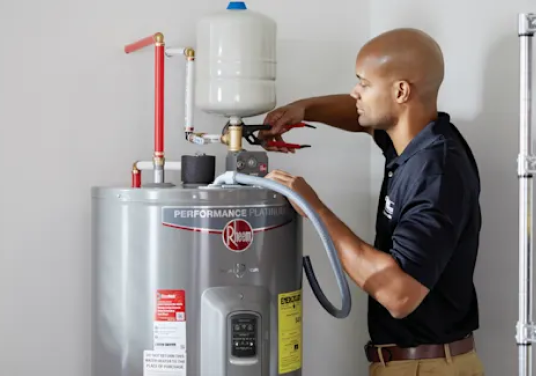
Beyond regular maintenance, adopting proactive habits can make a world of difference. These practices not only save energy but also increase your heater’s lifespan. Explore these tips to ensure your heater serves you well for years.
Adjust Thermostat Settings
Setting your thermostat to the right temperature can save energy and prevent scalding. Most water heaters come preset at 140°F, but 120°F is sufficient for most homes. To adjust it:
-
Turn off the heater’s power.
-
Open the thermostat panel.
-
Use a flathead screwdriver to adjust the temperature.
Lowering the temp can reduce energy bills by up to 10%. Most believe higher is better, but a small tweak can offer big savings.
Insulate Your Tank
Heat loss can be a silent energy drain. Insulating your tank and pipes reduces this loss and keeps water hotter for longer. Here’s a quick guide:
-
Purchase an insulation blanket designed for water heaters.
-
Wrap it around the tank, cutting holes for controls and valves.
-
Secure it with tape, ensuring it’s snug but not too tight.
By reducing heat loss, you’ll notice a drop in energy use. Don’t wait until winter to make this change; the longer you wait, the more energy you waste!
Embrace these simple maintenance tasks and proactive practices to protect your water heater and enjoy a reliable hot water supply. Remember, consistent care today prevents cold showers tomorrow.
If you are looking to replace your hot water tank and live in or around the Spokane WA area, then contact JLR Plumbing. With over two decades of experience installing hot water tanks, have peace-of-mind knowing the job was done right!