


Hot Water Tank Dripping: A Homeowner’s Guide to Plumbing Repairs
A hot water tank dripping is more than just a nuisance—it can signal serious water heater leaks that threaten your home. Ignoring those slow drips can lead to costly damage and unexpected plumbing repairs. Let’s break down how to spot these problems early and keep your home maintenance on track before small leaks turn into bigger headaches. For more detailed information, you might want to check out this resource: Water Heater Troubleshooting: A Homeowner’s Guide.
Identifying Water Heater Leaks
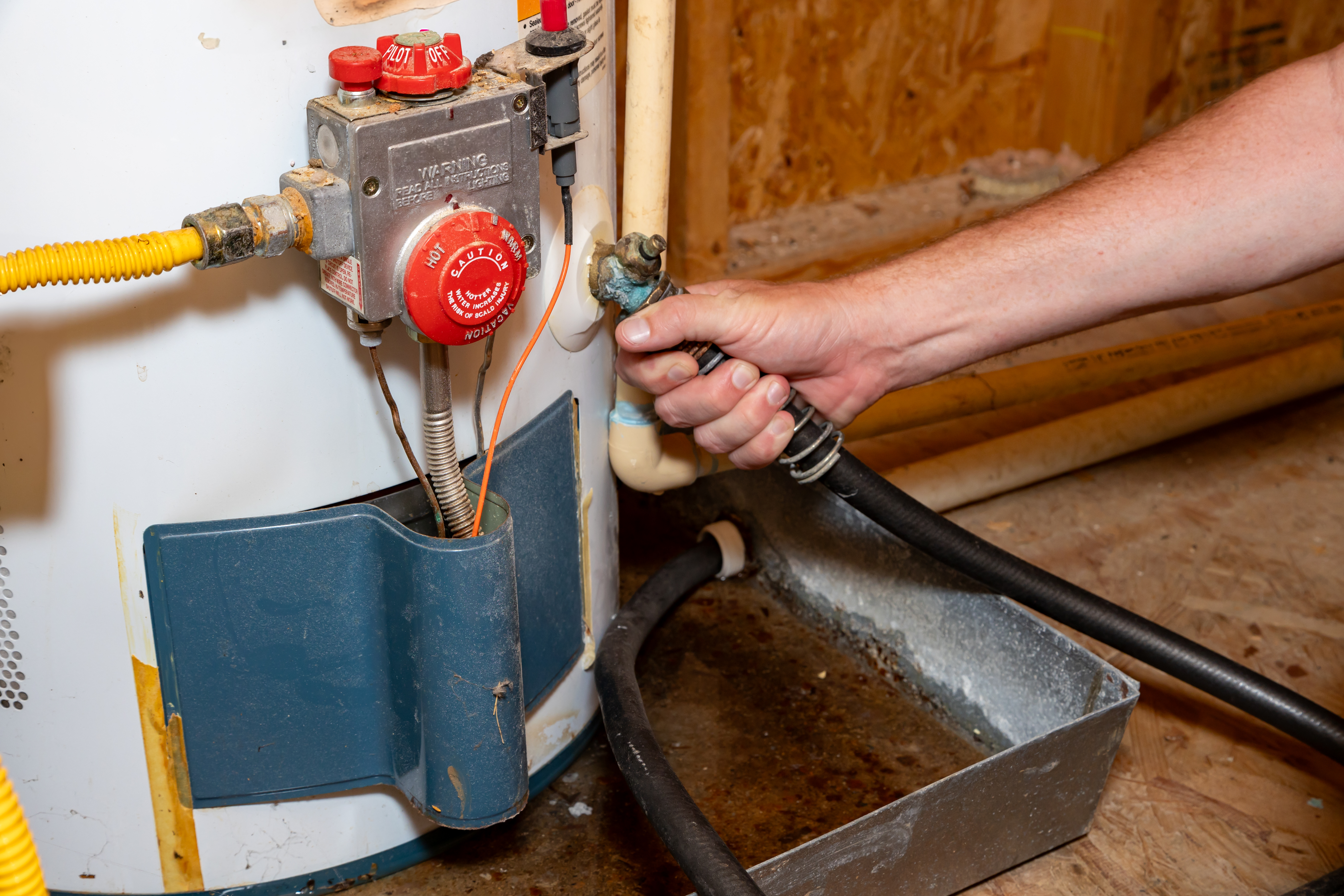
Spotting water heater leaks early can save you a lot of trouble. Let’s uncover the telltale signs and common culprits so you can take action quickly.
Signs of a Leak
Imagine waking up to a pool of water near your hot water tank. This is one of the most obvious signs that something’s not right. You might also notice a sudden drop in water temperature or pressure when you’re showering. Musty smells or dampness around the unit are also red flags. Keep an eye out for these signs to prevent minor issues from escalating. For a deeper dive into identifying these leaks, check out this expert guide.
Common Leak Locations
Leaks often spring from specific spots on your water heater. The pressure relief valve is a usual suspect. If water drips from here, it could mean pressure is too high. Another hotspot is the drain valve at the bottom of the tank. Loose or worn connections may need tightening or replacement. Lastly, inspect the tank for rust spots, as these are prime locations for leaks. For a detailed look at where leaks typically occur, you might find this resource helpful.
Causes of Water Heater Problems
Understanding what causes water heater issues helps you act before they become costly repairs. Let’s explore the usual culprits behind these problems.
Corrosion and Rust
Rust is the enemy of water heaters. Over time, moisture causes metal parts to corrode, especially if your water heater’s anode rod is worn out. This rod is designed to attract corrosive elements, sparing the tank itself. But when it fails, rust can eat away at the tank, leading to leaks. Regularly checking and replacing this rod can prevent rust-related issues. Want to see how this looks in real life? Check out this video guide.
Valve Failures
Valves play a crucial role in maintaining your water heater’s function. The temperature and pressure relief valve should release excess pressure, but if it’s faulty, pressure can build up, causing leaks. Similarly, the drain valve might not close properly, leading to constant dripping. Replacing a faulty valve can be a straightforward fix, providing peace of mind. For more troubleshooting tips, visit this article.
Fixing Plumbing Repairs
Now that you know the signs and causes of leaks, it’s time to roll up your sleeves or pick up the phone. Here’s how to address those plumbing repairs.
DIY Repairs for Homeowners
Feeling handy? You can tackle some water heater repairs yourself. Start by shutting off the power and water supply to the heater. For a leaky valve, try tightening it with a wrench. If you find rust on the tank, consider patching small holes with a sealant. Remember, safety first—always consult your heater’s manual. For step-by-step guidance, this forum discussion may be beneficial.
When to Call a Professional
Some repairs are best left to the pros. If your hot water tank dripping persists despite your efforts, or if you’re unsure about tackling the issue, it’s time to call in a plumber. They can diagnose complex problems, ensuring your heater runs smoothly. Most people think they can handle all repairs, but sometimes professional help is the best route. For expert advice, consider reaching out to services like JustAnswer.
Preventing Future Water Heater Leaks
Preventing leaks is easier than fixing them. Let’s look at how regular maintenance and technology can keep your water heater in top shape.
Regular Home Maintenance Tips
Keeping your water heater in good condition requires regular check-ups. Flush the tank every six months to remove sediment buildup. Inspect the anode rod annually and replace it if it’s worn. By doing these simple tasks, you extend the life of your water heater and avoid unexpected plumbing repairs. Most homeowners overlook these steps, but they’re crucial for long-term home maintenance.
Installing a Leak Detection System
Consider installing a leak detection system for added peace of mind. These devices alert you to leaks before they cause significant damage. Some even shut off the water supply automatically. This technology is a wise investment for anyone wanting to protect their home from water damage. The longer you wait, the higher the risk of costly repairs.
Understanding Hot Water Tank Dripping
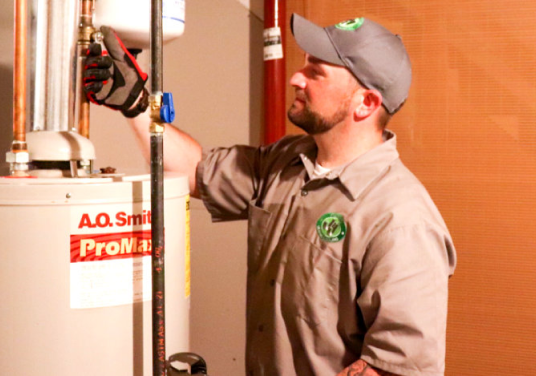
Not all drips are created equal. Knowing the difference between a minor drip and a serious leak can save you time and money.
Differences Between Drips and Leaks
A small drip might seem harmless, but it can indicate a bigger issue. Drips often occur due to condensation or minor valve issues. Leaks, on the other hand, suggest structural problems with the tank or connections. Recognizing the difference helps you decide when to take action.
Addressing Dripping Issues
Addressing drips early prevents them from turning into leaks. Tighten connections and check for loose components. If drips persist, consider replacing worn parts or consulting a professional. Acting swiftly can save you from more significant repairs down the line.
By staying vigilant and proactive, you can tackle water heater issues before they escalate, ensuring your home remains safe and dry.
If your hot water tank is leaking and you require professional help, contact JLR Plumbing. With over 20+ years of experience we provide excellent, affordable water heater solutions for the Spokane WA and surrounding area.