


How Long Do Water Heaters Last: What Every Homeowner Needs to Know
Most water heaters don’t last as long as you might think. When yours stops working, it can throw your whole day off—and replacing it isn’t cheap. Knowing the average lifespan of a water heater and the signs of water heater failure can save you from surprise breakdowns. Let’s look at how long water heaters last and what you can do to extend their life. For more details, you can visit this resource.
Understanding Water Heater Lifespan

When it comes to keeping your home running smoothly, understanding the lifespan of your water heater is crucial. Let’s dive into the numbers and factors that determine how long your water heater should last.
Average Lifespan of a Water Heater
Most water heaters have a typical lifespan. On average, you can expect traditional heaters to last 8 to 12 years. That said, tankless models can serve you for up to 20 years. It’s important to keep these numbers in mind as you plan for any replacements or upgrades. The age of your water heater might surprise you, so it’s good to check the manufacturing date.
Factors Affecting Longevity
Several factors can impact how long your water heater lasts. Water quality is a big one. Hard water can cause mineral buildup, shortening the life of your appliance. Regular maintenance plays a role too. Simple tasks like flushing the tank can make a difference. If you live in an area with high sediment, consider installing a water softener.
Types of Water Heaters and Their Durability
Different water heaters have different strengths. Traditional storage tank heaters tend to have a shorter life due to the constant heating and cooling of water. On the other hand, tankless heaters, which heat water on demand, usually last longer because they don’t store water. Consider your home’s needs to decide which type suits you best.
How Long Water Heaters Last
Now that we know what affects your water heater’s lifespan, let’s compare how long different types of heaters last.
Traditional vs. Tankless Longevity
Traditional water heaters, those with tanks, typically last between 8 to 12 years. In contrast, tankless water heaters can last up to 20 years. The main reason is that tankless models don’t store water, which reduces wear and tear. If you’re considering an upgrade, a tankless heater might be worth the investment.
Comparing Gas and Electric Models
Gas and electric water heaters also differ in longevity. Generally, gas heaters last 8 to 12 years, similar to electric heaters. However, gas models may require more maintenance due to their venting systems. Electric heaters, on the other hand, are easier to maintain but can be more expensive to operate. Choose based on your maintenance preferences and energy costs.
Water Heater Maintenance Tips
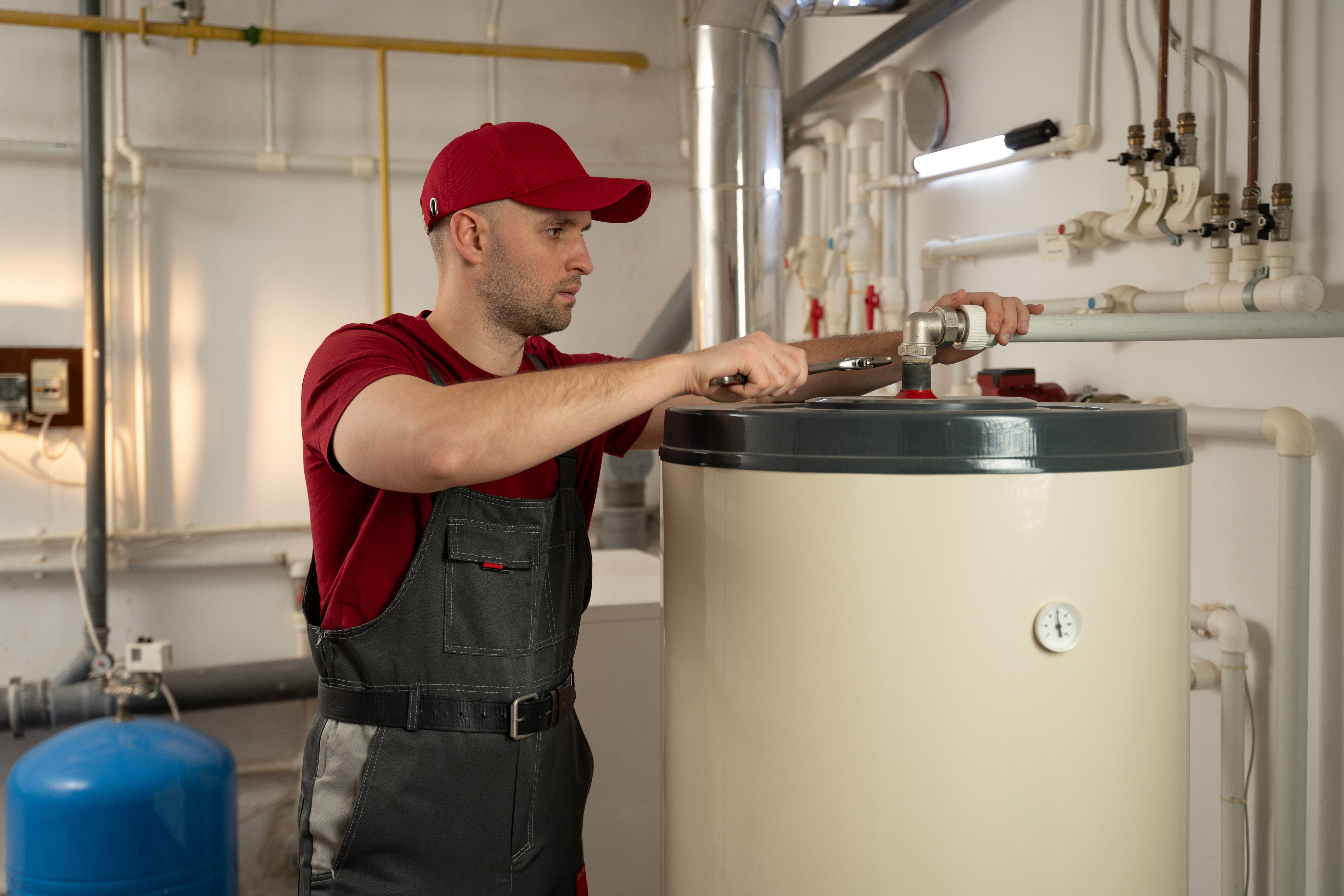
Proper maintenance is key to extending the life of your water heater. Let’s explore some practical tips that can help you keep your heater running efficiently.
Routine Checks for Longevity
Regular inspections are essential. Once a year, check your heater for signs of rust or leaks. Pay attention to any unusual noises. Flushing the tank annually can remove sediment buildup, significantly extending its lifespan. If you’re unsure how to perform these checks, a quick search or a call to a professional can help.
DIY Maintenance vs. Professional Help
Some maintenance tasks you can handle yourself, like checking the temperature and pressure relief valve. However, more complex tasks, such as replacing an anode rod, may require a professional. Knowing when to call in the experts can prevent costly mistakes and prolong your heater’s life.
Preventive Measures for Longer Life
Preventive maintenance goes a long way. Installing a water softener can reduce scale buildup. Consider insulating your water heater and pipes to improve efficiency. Simple steps like these can save you money and extend the life of your unit.
Signs of Water Heater Failure
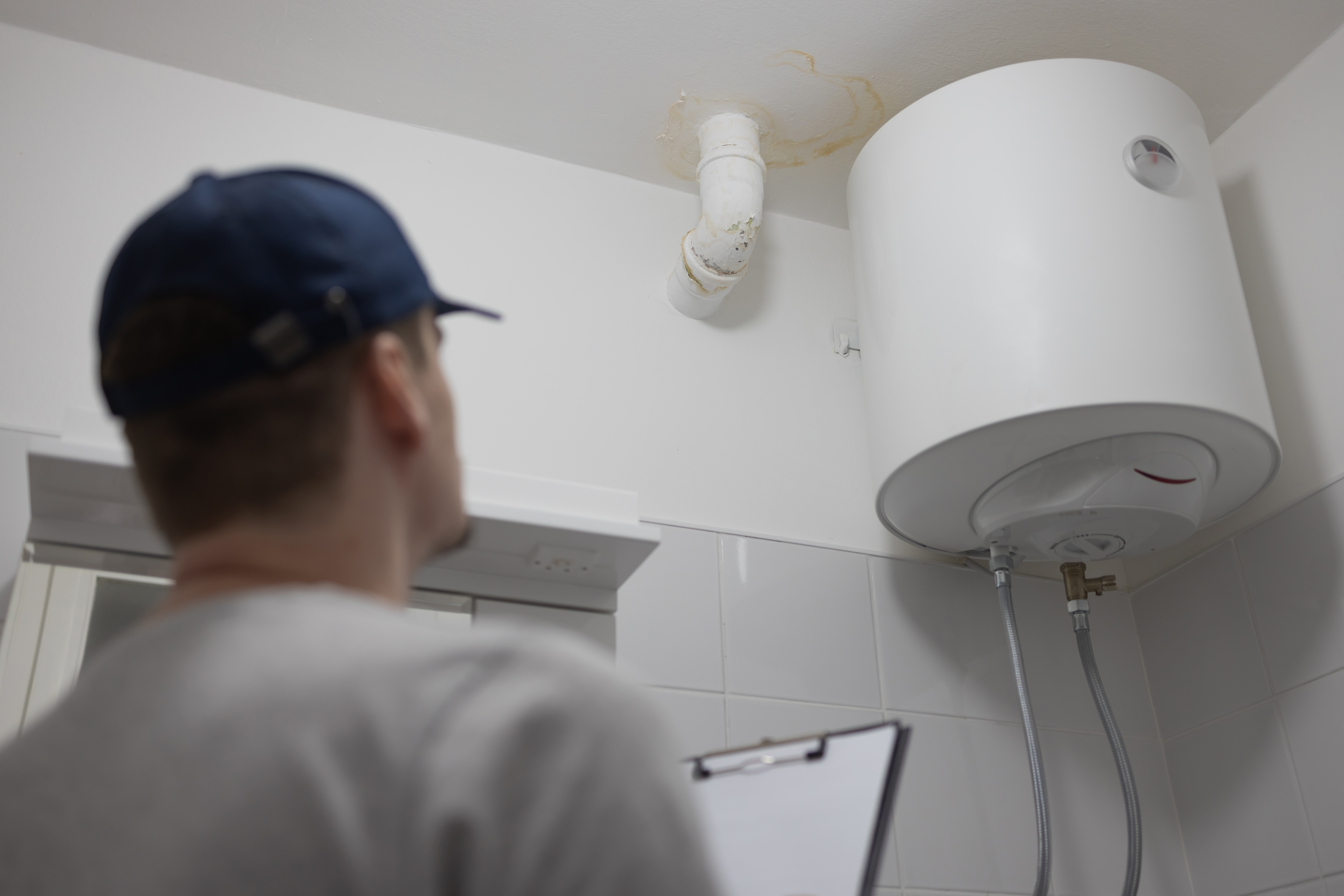
Recognizing the signs of a failing water heater can save you from unexpected cold showers. Here’s what to watch for.
Common Warning Signs
Look out for these warning signs: inconsistent water temperature, strange noises, or rusty water. These could indicate your heater is on its last legs. If you notice any of these issues, it may be time for a closer look or a replacement.
When to Consider Replacement
If your water heater is over a decade old and showing signs of wear, it’s time to consider a replacement. Waiting too long can lead to leaks and increased repair costs. Visit this link for more guidance on when to replace your water heater.
Cost Implications of Ignoring Issues
Ignoring problems can lead to costly repairs or even a complete system failure. Addressing minor issues early can save you money and prevent inconvenience. A proactive approach is always cheaper than reacting to a water heater emergency.
Extending Water Heater Life
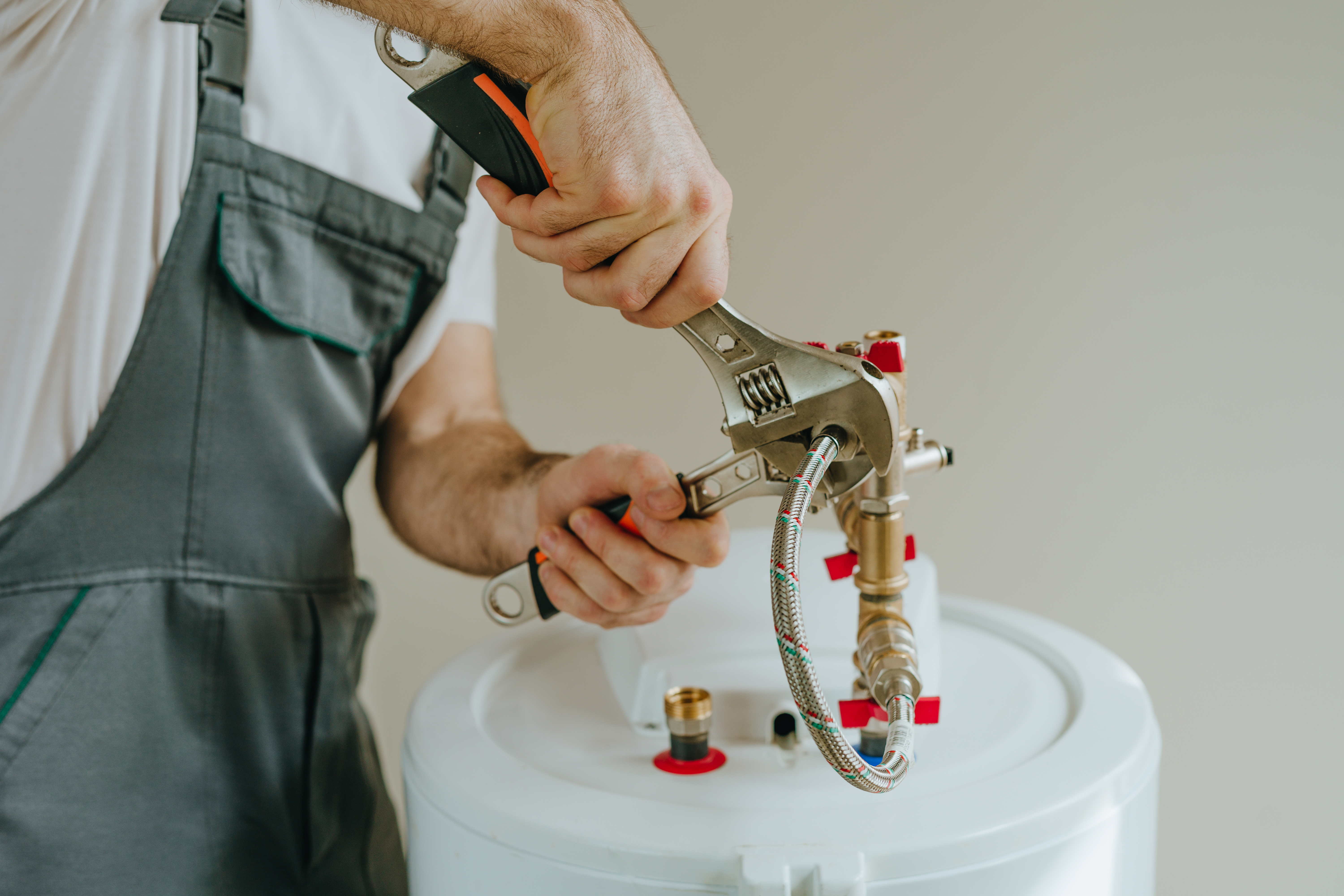
You can take several steps to ensure your water heater lasts as long as possible. Here’s how.
Best Practices for Homeowners
To extend your water heater’s life, perform regular maintenance and address any issues promptly. Monitor water quality and consider upgrades like a water softener. These simple practices can make a significant difference.
Importance of Regular Servicing
Regular servicing by a professional is crucial. An annual check-up can catch potential problems early. Schedule a service with a trusted technician to keep your water heater in top shape.
Upgrading for Better Efficiency
Upgrading your water heater can offer improved efficiency and performance. Consider switching to a tankless model or a newer, more energy-efficient unit. The initial cost may be higher, but the long-term savings and reliability make it worthwhile.
Understanding how long your water heater should last and taking proactive steps can save you money and hassle. Remember, a well-maintained water heater is a reliable water heater. Regular checks and timely upgrades can keep your home running smoothly. For more information, you can explore this resource.
If you are looking for more articles on the longevity of Water Heaters, please visit the rest of our blog.