


How to Clean Your Tankless Water Heater: A Step-by-Step Guide for Homeowners
Most homeowners overlook tankless water heater maintenance until cold showers remind them otherwise. Scale buildup and debris can sneak in, cutting your unit’s lifespan short and hiking energy bills. This guide breaks down how to clean tankless water heater steps you can follow to keep yours running smoothly and save money in the long run. Check out more details here.
Understanding Your Tankless Water Heater
Let’s begin by getting to know your tankless water heater a bit better. These units are more than just modern plumbing marvels; they are key to keeping your showers warm and your energy bills down.
How Tankless Water Heaters Work
Unlike traditional heaters, tankless systems don’t store hot water. Instead, they heat water on-demand as it flows through the unit. This process not only ensures unlimited hot water but also reduces energy usage. With this system, you don’t have to worry about running out of hot water mid-shower!
Importance of Regular Maintenance
Regular upkeep isn’t just about avoiding cold showers. It helps extend the life of your tankless water heater and keeps it running at peak performance. By curbing scale buildup, you lower energy consumption and save money over time.
Common Maintenance Myths
There are a few misconceptions about tankless water heater maintenance. Some folks think that because these units are high-tech, they don’t need regular care. On the contrary, neglecting maintenance can lead to costly repairs. Most people believe that maintenance is too complex, but with the right guide, anyone can do it. Learn the truth about maintenance and empower yourself to take charge.
Gathering Necessary Supplies
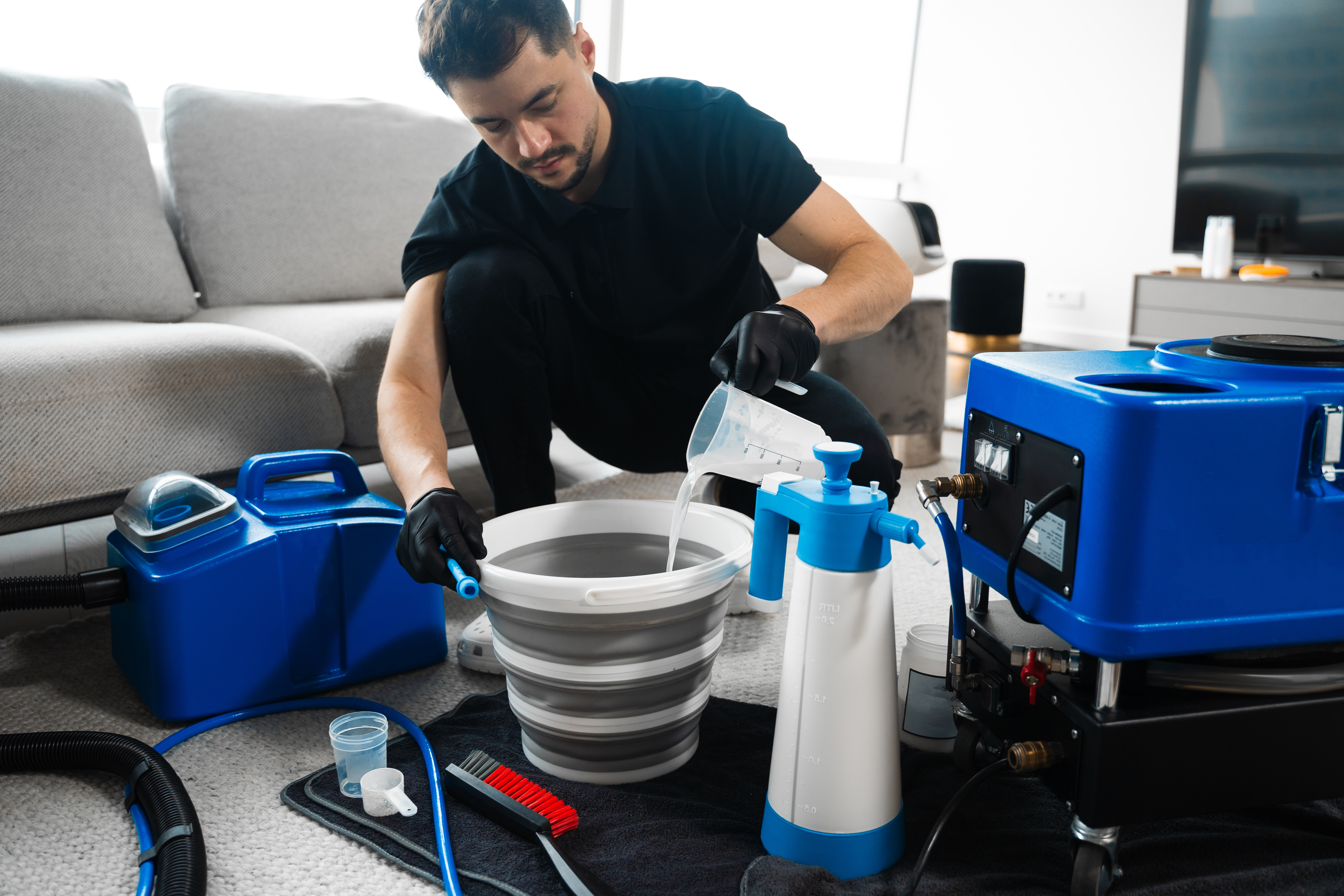
Ready to dive into the cleaning process? First, you’ll need to gather some essential supplies to ensure a smooth and successful maintenance session.
Essential Tools for Cleaning
To clean your tankless water heater, you’ll need a few basic tools: a submersible pump, a bucket, and white vinegar. These items help in removing scale and buildup effectively. A submersible pump circulates vinegar through the heater, while the bucket collects the solution that flushes out.
Safety Precautions To Consider
Safety first! Before starting, make sure your unit is powered off and the gas supply is shut. This prevents any accidents while you’re working. Wearing gloves and goggles is a good idea, too, as it protects you from any splashes or spills during the cleaning process.
Where To Purchase Supplies
Not sure where to get these supplies? Most can be found at your local hardware store or online. It’s convenient and allows you to compare prices and options. Here’s a guide to help you find the best deals.
Step-by-Step Cleaning Process
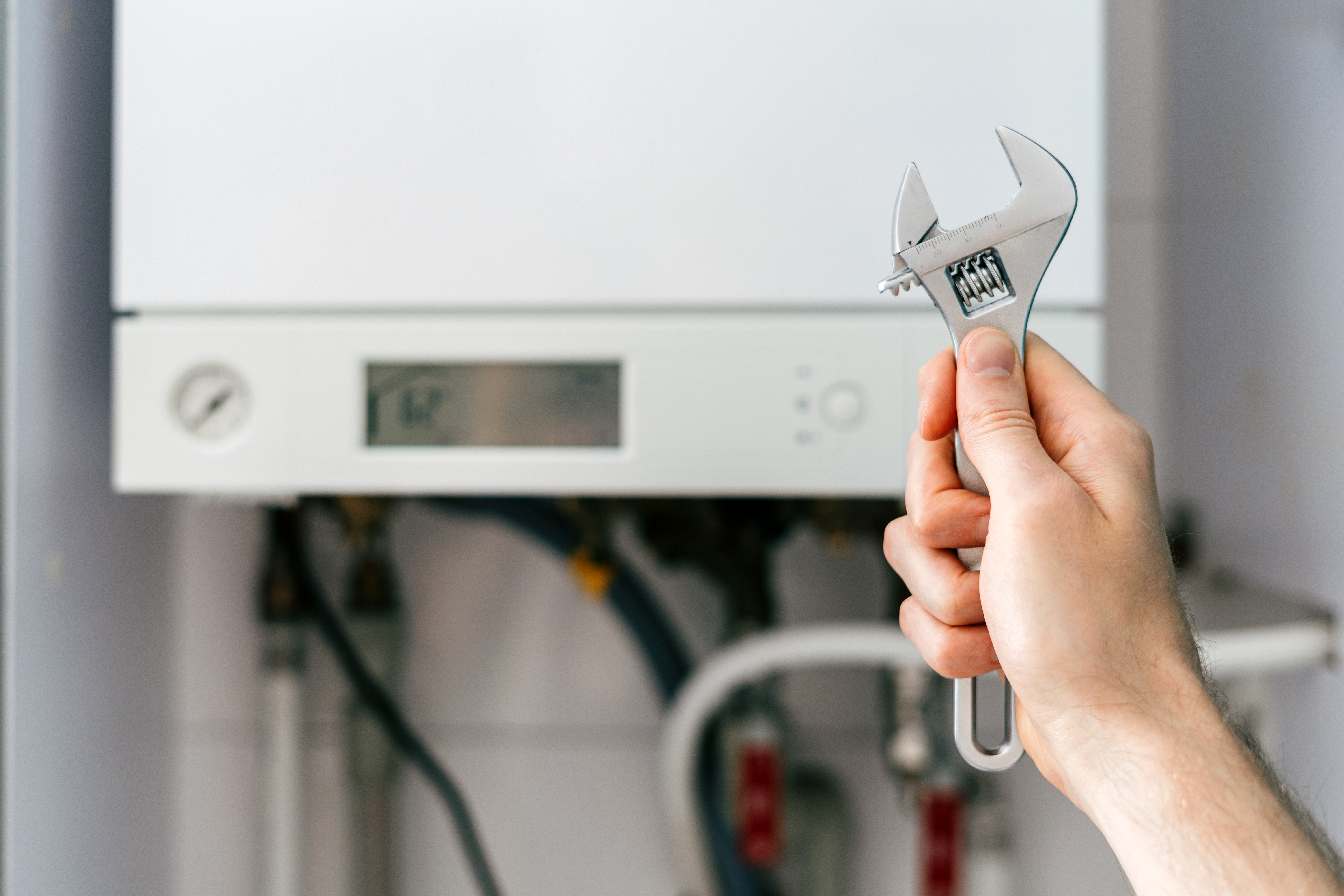
With your supplies ready, you’re all set to clean your tankless water heater. This process is simpler than you might think and ensures your heater runs smoothly.
Preparing the Water Heater
First, disconnect power and gas lines to ensure safety. Attach hoses to the valves and place the ends in the bucket. This setup is crucial as it will help circulate vinegar through the heater, breaking down scale and debris.
Flushing the Water Heater
Now, it’s time to let the pump do its magic. Fill the bucket with white vinegar and turn on the pump. Let it run for about 45 minutes, allowing the vinegar to clean the internal components thoroughly. This step helps remove calcium deposits that can affect performance.
Final Steps and Reassembly
Once flushing is complete, disconnect the hoses and restore your unit’s connections. Power up the heater and run water through it to clear out any remaining vinegar. You’re now done with the cleaning, ensuring your heater runs efficiently for months to come.
Troubleshooting Common Issues
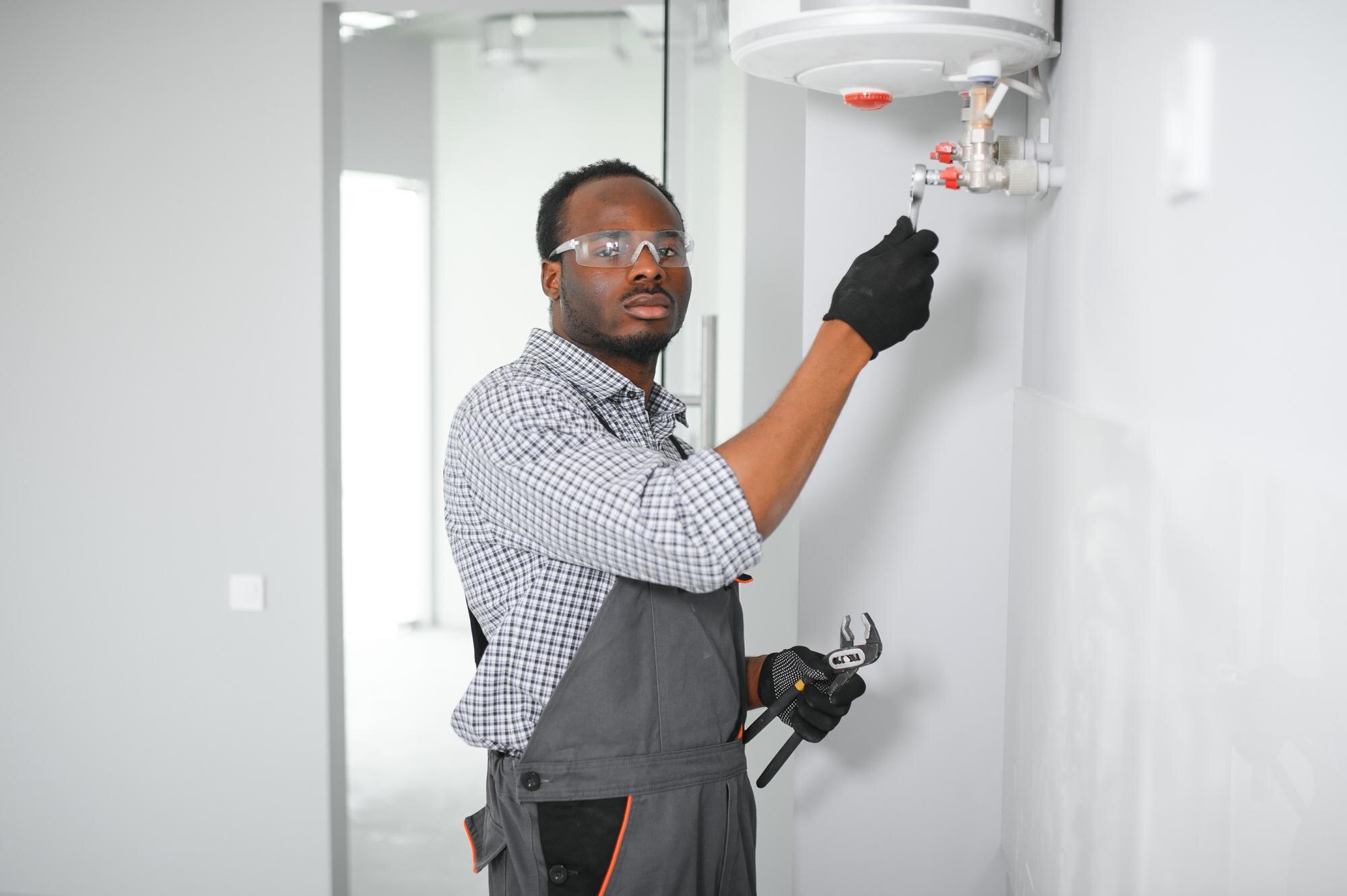
Even with regular maintenance, you might face occasional hiccups. Here’s how to troubleshoot common problems that may arise.
Identifying Performance Problems
If your water heater is inconsistent or not heating properly, it might be due to leftover scale or a faulty component. Check the display for error codes and consult your manual for solutions. This initial check can save you a lot of time and stress.
When To Call a Professional
Sometimes, DIY isn’t enough. If performance issues persist, or if you notice leaks, it’s time to call a professional. They can diagnose and resolve complex problems that might be beyond your expertise. Find a plumber near you who specializes in tankless systems.
Preventative Maintenance Tips
To keep issues at bay, adopt a simple maintenance routine. Flushing your tankless water heater every six months reduces buildup and prolongs its life. Learn more about preventative care and keep your system running smoothly.
Long-term Maintenance Strategies
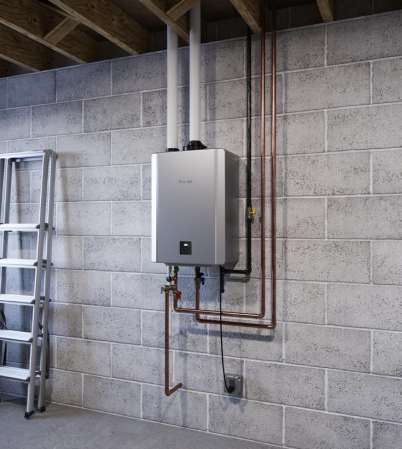
Now that you’re versed in the basics, let’s discuss strategies for keeping your tankless water heater in prime condition long-term.
Regular Maintenance Schedule
Create a maintenance schedule that includes bi-annual cleanings and routine checks. Mark these on your calendar to ensure you never miss a session. This proactive approach can prevent unexpected breakdowns and save you money.
Enhancing Heater Efficiency
To boost efficiency, consider adjusting the temperature settings and insulating pipes. Lowering the temperature can reduce energy usage, and insulation prevents heat loss. These small tweaks can lead to significant savings over time.
Benefits of Professional Servicing
While DIY maintenance is effective, professional servicing offers a comprehensive check-up. Experts can spot potential issues early and perform tasks you might be uncomfortable with. Investing in an annual professional service can be worth the peace of mind it brings.
By following this guide, you’re ensuring a longer life for your tankless water heater and enjoying warm showers without a hitch.
If you are looking for more great water heater DIY’s, then please visit the rest of our blog.