


Are Solar Hot Water Heaters the Future of Sustainable Home Solutions?
Switching to a solar hot water heater can cut costs while tapping into renewable energy. Most homeowners still rely on traditional water heaters that drain energy and inflate bills. In this post, you’ll learn the real benefits of solar heating and how simple your installation guide can be. Ready to rethink how your home heats water? Check out this helpful resource to get started.
Understanding Solar Hot Water Heaters
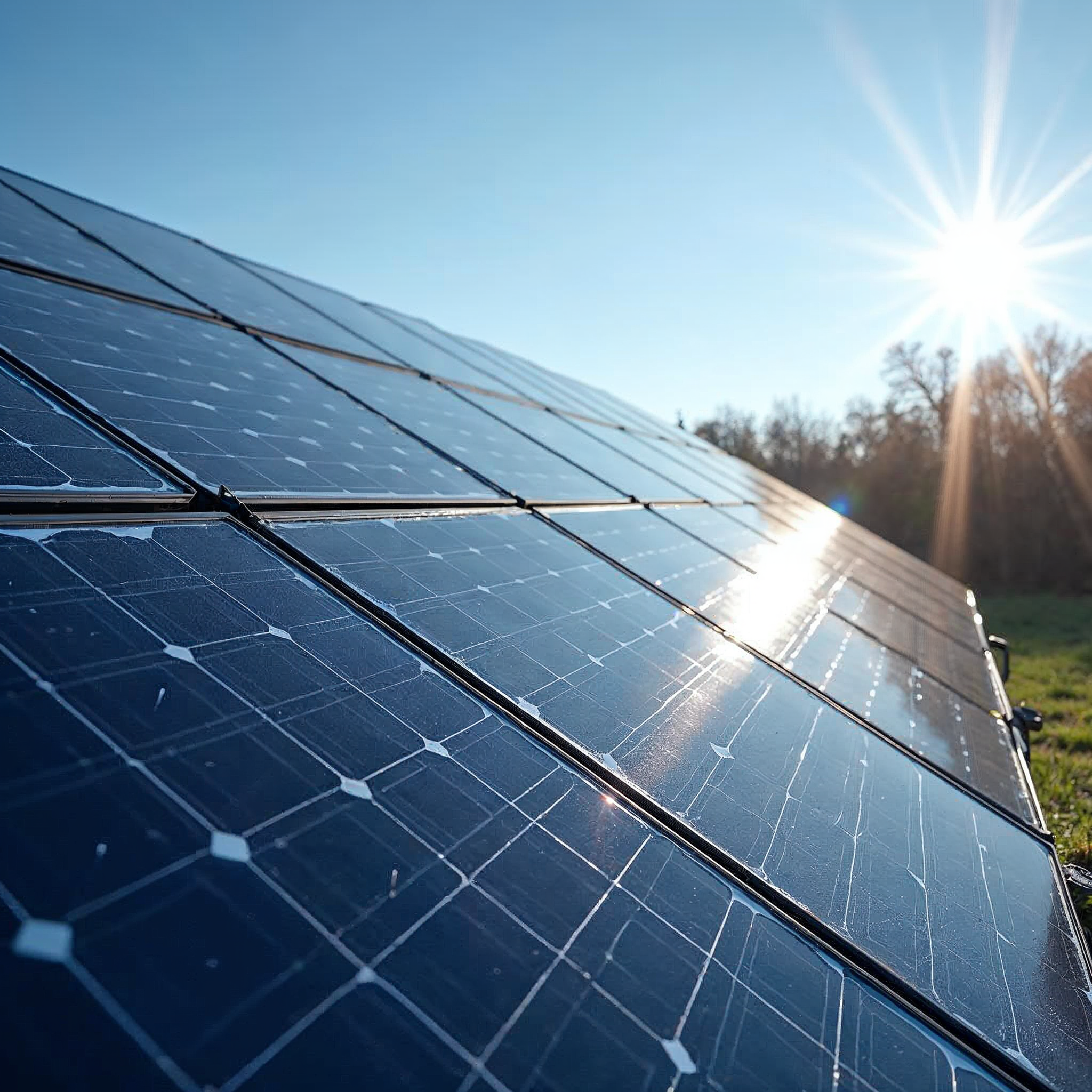
The world of solar hot water heaters opens doors to both energy savings and environmental benefits. Let’s explore what they are and how they work.
What Are Solar Hot Water Heaters?
Solar hot water heaters use the sun’s energy to heat water for your home. Unlike traditional systems, they don’t rely heavily on gas or electricity. They can reduce your water heating bills by up to 50%. This makes them a popular choice for eco-conscious homeowners. You can learn more about the benefits of solar power here.
How They Work: The Basics
These systems use solar collectors, usually placed on the roof, to absorb sunlight. The heat gathered warms up a liquid in the system. This hot liquid then transfers its heat to the water in your home. It’s simple yet effective. This guide breaks down the process even further.
Types of Solar Water Systems
There are two main types: active systems and passive systems. Active systems use pumps to circulate water. Passive systems, on the other hand, rely on natural circulation. Each type has its pros and cons, which depend on your specific needs and location. For a deeper dive into each type, visit this resource.
Benefits of Solar Heating

Switching to solar heating offers numerous perks. From harnessing renewable energy to being environmentally friendly, there are many reasons to make the change.
Renewable Energy Advantages
Solar hot water heaters tap into the sun, a clean and limitless energy source. By using renewable energy, you decrease dependence on fossil fuels. This shift not only benefits the environment but also reduces your carbon footprint. For more on how solar can reduce pollution, check out this article.
Eco-Friendly Heating Solutions
Choosing solar means choosing a cleaner planet. Unlike traditional heaters, solar systems don’t emit harmful gases. They’re a step toward a more sustainable future. With this eco-friendly choice, you contribute to cleaner air and a healthier environment.
Energy Efficiency and Cost Savings
Solar hot water heaters are known for their energy efficiency. They can save you money in the long run by reducing your monthly bills. Over time, these savings can offset the initial investment. For insights into potential savings, visit this resource.
Installation Guide for Homeowners
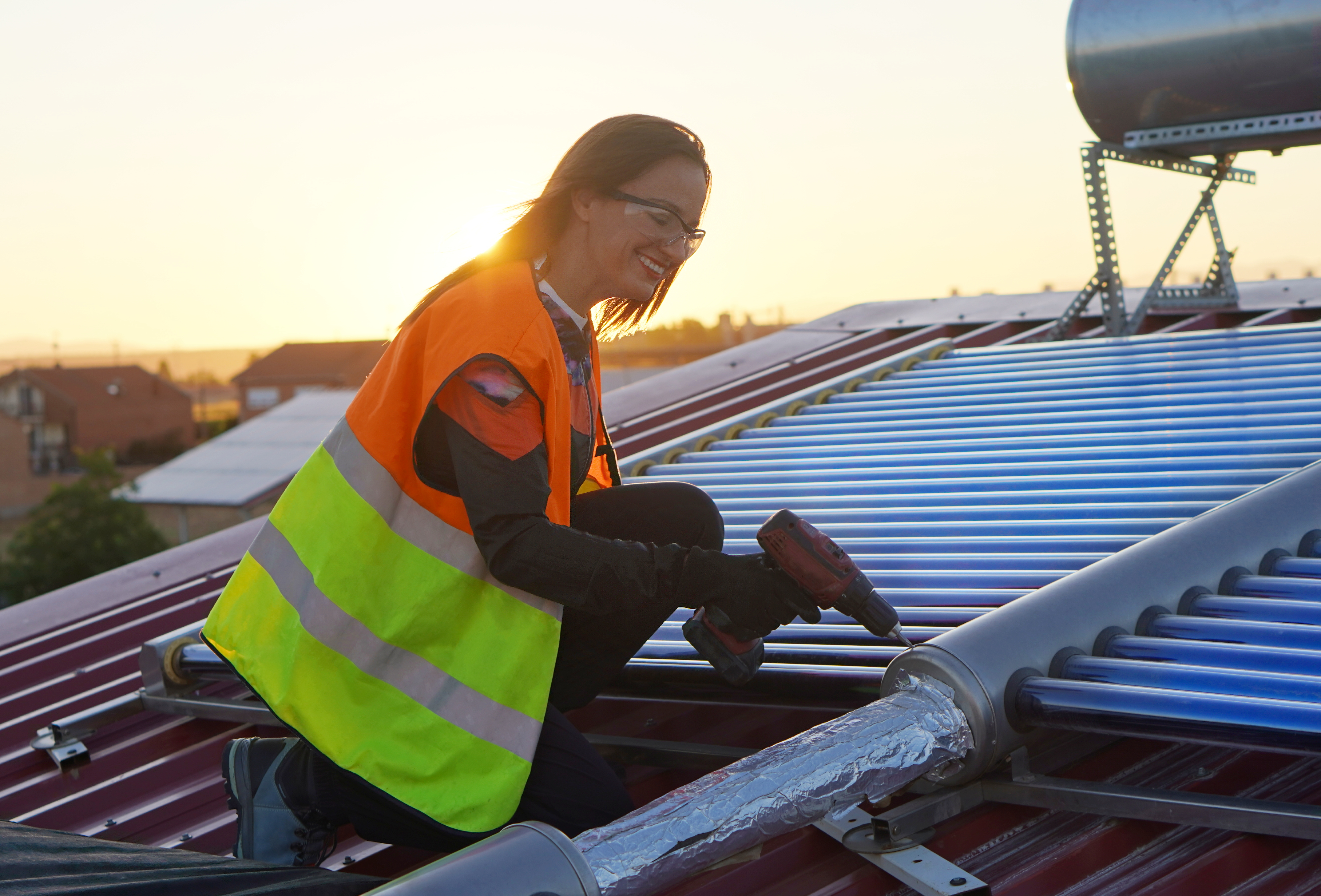
Installing a solar hot water heater might seem daunting, but with the right steps, it’s manageable. Let’s see how you can prep for installation.
Preparing Your Home for Installation
Before installation, assess your roof’s suitability. It should have ample sun exposure and enough space for the collectors. Also, check for any structural concerns. A stable and sunny roof ensures maximum efficiency and longevity of your solar system.
Choosing the Right System for You
Consider factors like climate, budget, and household needs when picking a system. Active systems might be more suitable for colder climates, while passive ones can be ideal in milder regions. Tailoring the system to your specific needs is crucial for optimal performance.
Professional Installation vs. DIY
While some might consider a DIY approach, professional installation guarantees safety and efficiency. Experts ensure the system is set up correctly, maximizing its benefits. For those interested in a hands-on approach, it’s essential to follow guidelines closely to avoid any mishaps.
Comparing Costs and Long-term Savings
Knowing the financial side of solar hot water heaters helps you make an informed decision. Here’s what you need to know about costs and savings.
Initial Investment and Budgeting
The initial cost of solar hot water heaters can vary based on the type and size. While they might be pricier upfront compared to traditional systems, their benefits often outweigh the costs. Setting a budget and researching options can guide you in choosing the best system.
Calculating Energy Savings Over Time
Savings from these systems accumulate over the years. As energy costs rise, your solar system continues to save you money. Regular maintenance can further enhance savings, ensuring the system runs efficiently. For detailed calculations, visit this guide.
Financing and Incentives Available
Many regions offer incentives to encourage solar adoption. These can include tax credits, rebates, or grants. Research what’s available in your area to reduce the overall cost of installation. Explore more about financing options here.
Future of Sustainable Home Solutions
Solar hot water heaters are just the beginning of a larger movement towards sustainable living. Let’s look at what’s on the horizon.
Market Trends and Innovations
The solar market continues to grow, with innovations improving efficiency and accessibility. As technology advances, these systems become more effective and affordable, paving the way for broader adoption.
Solar Heating in Urban and Rural Areas
Both urban and rural areas are seeing a rise in solar adoption. While urban areas benefit from incentives and infrastructure, rural regions gain from solar’s off-grid potential. The versatility of solar systems makes them suitable for diverse environments.
The Role of Policy and Regulation
Policies play a significant role in promoting solar energy. Supportive regulations can make solar systems more accessible and affordable. Keeping an eye on policy changes can help homeowners maximize benefits.