


Hot Water Heater Not Working: Easy Fixes for Common Problems
Hot water heater not working right when you need it most? Cold showers and frustration quickly follow, leaving you wondering what went wrong. This guide breaks down common hot water heater problems and shows you how to fix hot water heater issues yourself with simple water heater troubleshooting and repair tips. For more detailed advice, check out this helpful resource: https://plumbernw.com/hot-water-heater-troubleshooting/.
Understanding Your Hot Water Heater
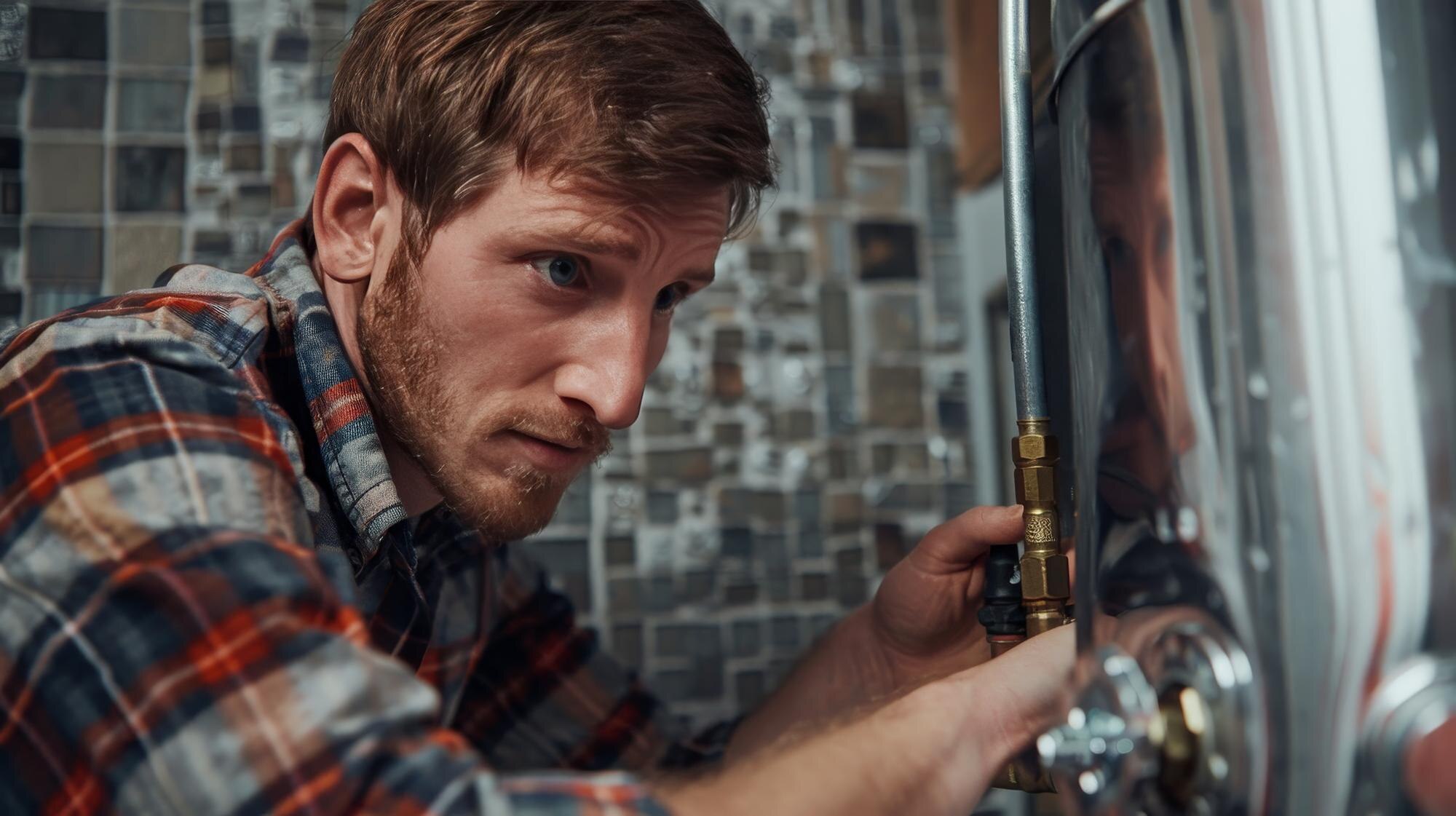
Let’s dive into the basics of your hot water heater. Knowing what you’re dealing with is half the battle in solving any problem.
Types of Hot Water Heaters
There are primarily three kinds of hot water heaters. Storage tank water heaters are the most common, featuring a large tank that holds heated water. Then, there are tankless water heaters, which heat water on demand and save you space. Lastly, we have heat pump water heaters, which use surrounding air to heat the water, making them energy-efficient. Each type has its perks and considerations, which can impact how you approach repairs.
Basic Components Explained
Understanding your heater’s components is key to effective troubleshooting. A typical unit includes a thermostat to regulate temperature, a heating element to warm the water, and a T&P valve for safety. The thermostat is often the culprit when temperatures aren’t right, while the T&P valve prevents pressure build-up. Knowing these parts can help you pinpoint issues quickly and could save you a lot of trouble.
Identifying Common Hot Water Heater Issues
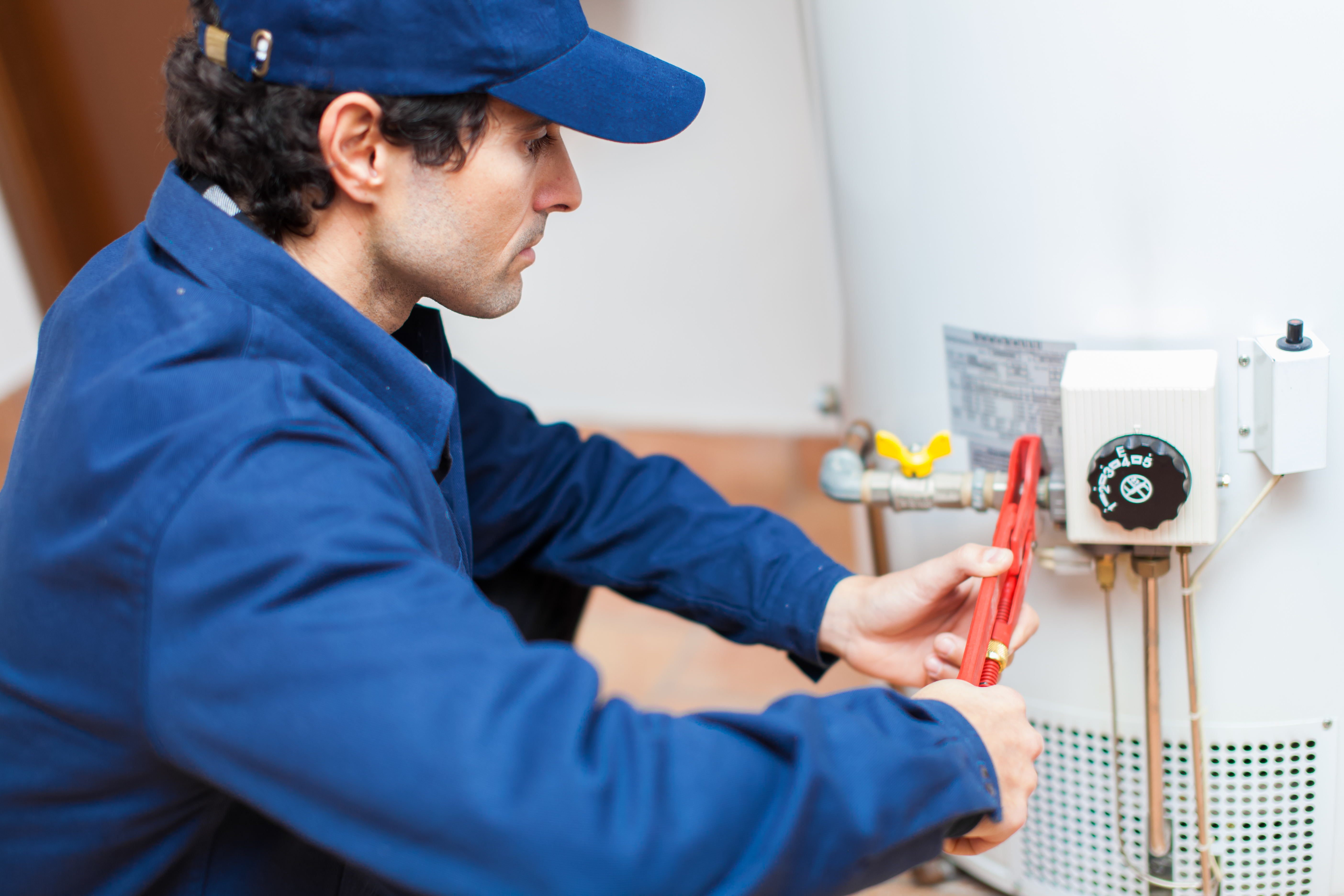
Now that you’re familiar with the basics, let’s explore some issues you might face. Identifying the problem is your first step toward a solution.
Signs of No Hot Water Issues
Is your shower turning cold too soon? No hot water issues often mean a thermostat failure or a broken heating element. Check for unusual noises or leaks around the unit. If you smell something odd, it might be an electrical problem. Don’t ignore these signs; they can help you identify what’s wrong before it escalates.
Causes of Temperature Fluctuations
Temperature fluctuations are annoying, right? They often result from sediment build-up in the tank, affecting water flow and heating. Another common cause is a faulty thermostat that can’t maintain a steady temperature. Regular maintenance can help prevent these issues, ensuring a consistent hot water supply.
Simple Water Heater Troubleshooting Tips
So, you’ve spotted the issue. What next? Time for some basic troubleshooting tips that can save you a call to the plumber.
How to Fix Hot Water Heater Thermostat
The thermostat is a common troublemaker. To fix it, start by turning off the power supply. Open the panel to access the thermostat. Adjust it to your desired temperature, usually around 120°F. If it doesn’t hold, consider replacing it. These simple steps can often bring your hot water back to life.
Addressing Water Heater Leaks
Leaks can cause significant damage if ignored. First, identify the source. Is it from a valve or the tank itself? Tighten any loose connections. If the tank is leaking, it might be time for a replacement. Always act quickly with leaks to prevent further issues.
Water Heater Repair Tips for Homeowners
Let’s move on to some repair tips you can tackle yourself. These tips will help keep your heater running smoothly.
Flushing the Tank for Maintenance
Flushing the tank removes sediment build-up. Start by turning off the power and water supply. Attach a hose to the drain valve and let the water flow out. This process should be done annually to keep your heater efficient and prolong its life.
Adjusting the Temperature Settings
Adjusting the temperature is straightforward. Turn off the power, remove the access panel, and use a screwdriver to turn the thermostat dial. Set it to 120°F for optimal performance. This simple tweak can help save energy and reduce your utility bills.
When to Call a Professional
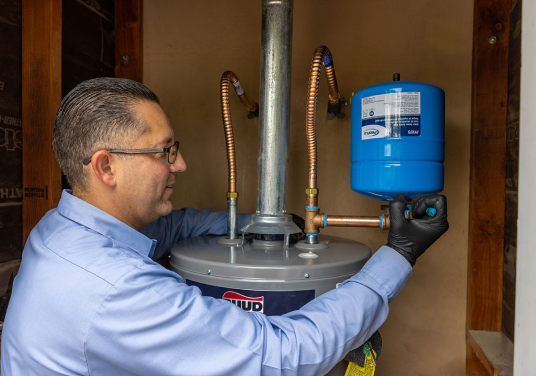
Sometimes, it’s best to leave things to the experts. Here’s when you should consider calling in a pro.
Recognizing Major Hot Water Heater Problems
Major problems like persistent noise, discolored water, or frequent leaks need professional attention. These could be signs of a failing unit, which requires specialized tools and expertise to fix. Don’t hesitate to call for help when your safety or comfort is at risk.
Finding Trusted Water Heater Repair Services
Finding a reliable repair service is crucial. Look for services with positive reviews and certified technicians. Ask friends for recommendations or check online forums. Sites like reddit.com can offer community-based insights. A good service will provide peace of mind and ensure your heater is back in shape in no time.
By understanding these basics and knowing when to consult professionals, you’ll keep your hot water flowing smoothly. If you’re ready to tackle these issues yourself, explore more detailed guides to help you every step of the way.