


How Long Do Hot Water Tanks Last? A Homeowner’s Guide to Water Heater Longevity
Most homeowners don’t realize their hot water tank won’t last forever—and replacing it at the wrong time can cost a fortune. You need to know how long do hot water tanks last before sudden cold showers catch you off guard. This guide breaks down hot water tank lifespan, signs of a failing hot water tank, and simple maintenance tips to keep yours running longer. Keep reading to protect your home and your wallet.
Understanding Hot Water Tank Lifespan

Knowing the lifespan of your hot water tank helps you avoid unexpected cold showers. Let’s explore how long these tanks typically last and what affects their longevity.
Average Lifespan of a Water Heater
Most hot water tanks last between 8 to 12 years. This varies based on the type of tank and how well it’s maintained. Traditional tanks usually fall in this range, but some can stretch to 15 years with proper care. It’s like your car—regular check-ups can keep it running smoothly for longer. To get a more precise idea, check the manufacturer’s tag on your tank, which often provides a clear lifespan estimate.
Factors Affecting Longevity
Several factors can impact how long your water heater lasts. Hard water is a common culprit, as mineral buildup can reduce efficiency and lifespan. Regular maintenance, like flushing the tank to remove sediment, is crucial. Usage patterns also play a role—a large family using lots of hot water daily may see their tank wear out sooner. Learn more about these impacts to better manage your water heater’s life.
Comparing Different Types of Tanks
Different water heaters offer varying benefits. Tankless models are gaining popularity due to their longer lifespan—up to 20 years. They heat water on demand, unlike traditional tanks that store and constantly heat water. This not only saves energy but also reduces wear and tear. On the flip side, traditional tanks are less costly upfront. When choosing, consider your long-term usage and energy savings. Here’s a handy comparison to guide your decision.
Signs of a Failing Hot Water Tank
Spotting issues early can save you from a chilly surprise. Let’s discuss common signs and when it’s time to replace your tank.
Common Warning Signs
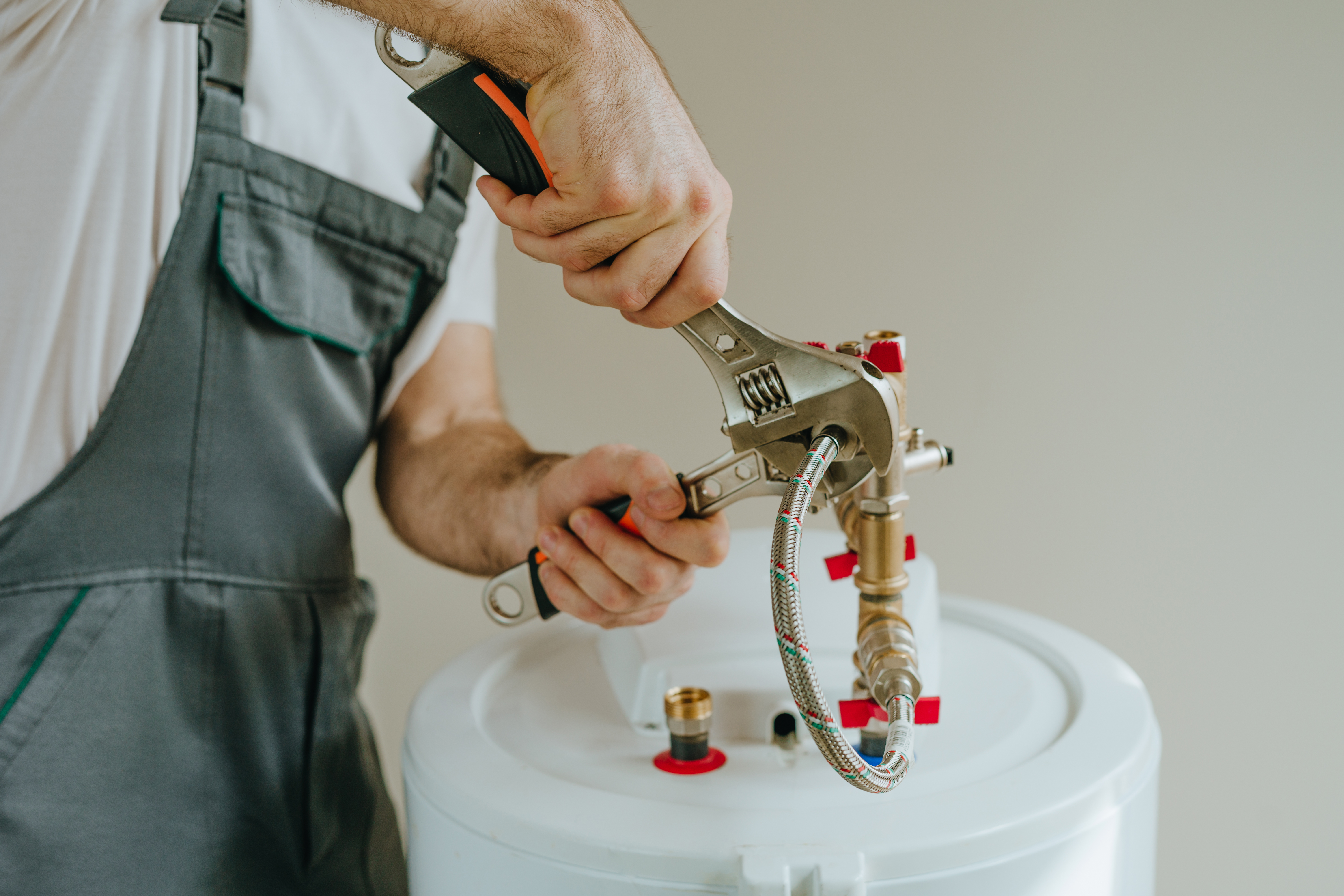
Notice any rust-colored water or sediment in your hot water? These are telltale signs something might be off. Unusual noises, such as banging or rumbling, often mean sediment buildup inside the tank. A decrease in hot water supply or water not getting as hot as it used to are other red flags. Ignoring these signs could lead to bigger problems, so it’s best to act quickly when you notice them. More on warning signs.
How Long Do Hot Water Tanks Last and When to Consider Replacement
If your water heater is over 10 years old and shows signs of failing, it’s probably time to start shopping for a new one. Delaying replacement could lead to leaks or even a total breakdown. Keep in mind that newer models are more energy-efficient, which can offset some of the upfront costs over time. Here’s a guide to help you decide when to replace your tank.
Importance of Regular Inspections
Routine inspections can catch potential issues before they become major problems. Most experts recommend checking your water heater at least once a year. This includes looking for leaks, checking the pressure relief valve, and examining the anode rod, which helps prevent rust. A little time spent on inspections can save you a lot of money and hassle in the long run. Regular checks keep your tank healthy.
Maintenance for Hot Water Tanks
Regular maintenance extends your water heater’s life, saving you money and stress. Here’s how to keep your tank in top shape.
Simple Maintenance Tips
Flushing your tank every six months is a simple yet effective way to maintain it. This process removes sediment that can cause corrosion. Adjusting the thermostat to 120°F not only saves energy but also prevents overheating. Insulating the tank and pipes can also improve efficiency, especially in colder climates. These small steps make a big difference in your water heater’s performance.
Professional Servicing Benefits
Hiring a professional to service your water heater can catch issues you might miss. A pro can check the anode rod, replace it if necessary, and ensure all components are working efficiently. They can also provide insights into your specific model’s needs. Regular professional check-ups can help extend your tank’s lifespan significantly.
Extending Your Tank’s Lifespan
The longer you can keep your water heater running efficiently, the better. Beyond regular maintenance, consider upgrading to a tankless system if your current model is nearing the end of its life. While the upfront cost is higher, they offer significant savings on energy bills over time. Weighing these long-term benefits can help you make a cost-effective decision for your home.
Choosing a New Hot Water System
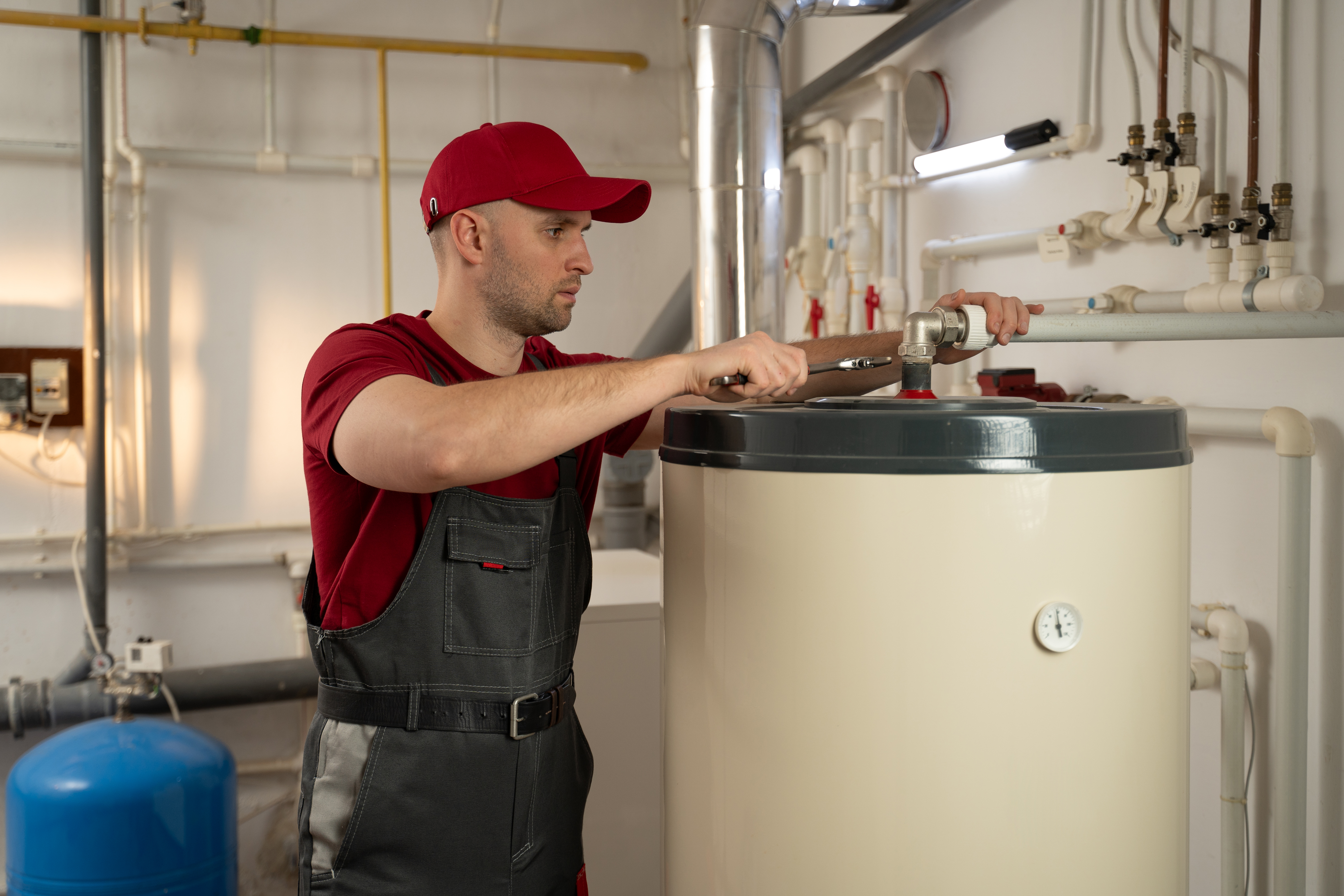
If it’s time for a new water heater, choosing the right one is crucial. Let’s look at your options and what to consider.
How Long do Hot Water Tanks Last Depends on your Type of Water Heater
You have several choices: traditional tanks, tankless water heaters, and heat pump models. Traditional tanks are straightforward and less expensive initially. Tankless heaters, though pricier, save money in the long run by heating water only when needed. Heat pump models are highly efficient but can be more complex to install. Weigh each option’s pros and cons carefully to match your needs and budget.
Energy Efficiency Considerations
Energy efficiency is key when selecting a new water heater. Look for models with a high Energy Factor (EF) rating, indicating better efficiency. Even though efficient models might cost more upfront, they usually pay for themselves through lower energy bills. Consider both the purchase price and potential savings to get the best deal.
Selecting the Right Size
Choosing the right size for your water heater ensures you have enough hot water without wasting energy. A 40-50 gallon tank is typically sufficient for a family of four, but larger households might need more. Tankless heaters are measured by flow rate, so ensure it meets your peak demand. Consult with a professional to find the perfect fit for your home.
When to Call a Professional
Sometimes, you need expert help. Here’s how to know when it’s time to call in the pros.
Recognizing Urgent Situations
If your water heater is leaking or producing discolored water, don’t wait—call a professional right away. These issues can quickly escalate, leading to significant damage and higher repair costs. It’s better to address problems as soon as they arise to prevent more serious complications.
Finding a Trusted Plumber
Look for a plumber with good reviews, proper licenses, and insurance. Personal recommendations from friends or family can also be valuable. A reliable plumber will provide a clear estimate and explain the repairs needed. Investing time in finding the right professional pays off in peace of mind and quality service.
Cost Considerations and Budgeting
Understand the costs involved in repairing or replacing your water heater. While repairs might be less costly upfront, sometimes a replacement offers better value over time. Plan and budget for these expenses to avoid financial surprises. Regular maintenance can help manage costs by extending your tank’s lifespan.
In summary, understanding how long hot water tanks last and the signs of a failing tank can save you from unexpected cold showers and costly repairs. Regular maintenance and knowing when to replace your tank are key to water heater longevity. Remember, investing in a quality water heater and professional servicing can lead to long-term savings and comfort.
If your hot water feels like it is getting giving you less and less hot water, it may be time for a new tank. Contact JLR Plumbing! With over 20+ years in the Spokane WA and surrounding area, have peace-of-mind knowing that the job was done right!