


Confidently Tackle Home Projects: How to Drain a Hot Water Tank
Most homeowners ignore hot water tank maintenance until a leak or strange noise forces their hand. Waiting for a problem means costly repairs or worse, no hot water when you need it most. Learning how to drain a hot water tank yourself saves time and money while keeping your plumbing in good shape. This guide breaks down simple plumbing tips to help you drain hot water tank safely and confidently. For more detailed instructions, you can check out this resource.
Understanding Your Hot Water Tank
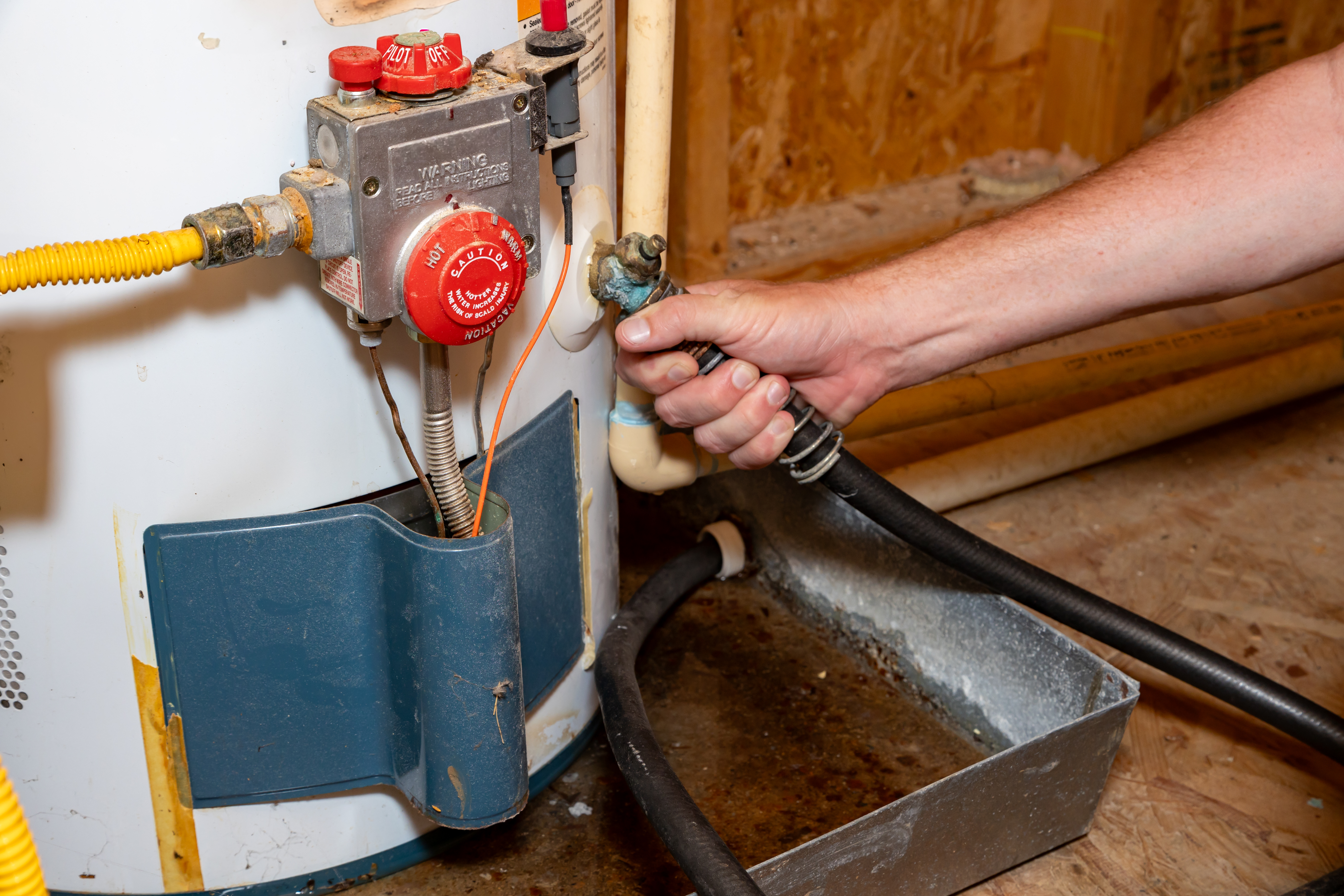
Let’s dive into the world of hot water tanks and why they’re crucial to your home. With the right know-how, you can keep yours running smoothly for years.
Basics of a Hot Water Tank
Imagine never having to worry about hot showers again. Hot water tanks provide that comfort by storing and heating water until you need it. Most tanks have a thermostat to keep the water at your desired temperature. Whether your water heater is electric or gas-powered, it serves a vital role in your home. Electric heaters use heating elements, while gas ones rely on a burner. For more details, check out this helpful guide.
Importance of Regular Maintenance
Now, here’s the kicker: most people never think about their hot water tank until something goes wrong. Regular maintenance can prevent those frustrating cold showers. By performing simple tasks like draining the tank, you can extend its lifespan and avoid costly repairs. Ignoring maintenance can lead to sediment buildup, which reduces efficiency and raises energy bills. Remember, a little attention now saves you from bigger issues later.
Preparing to Drain Your Water Heater
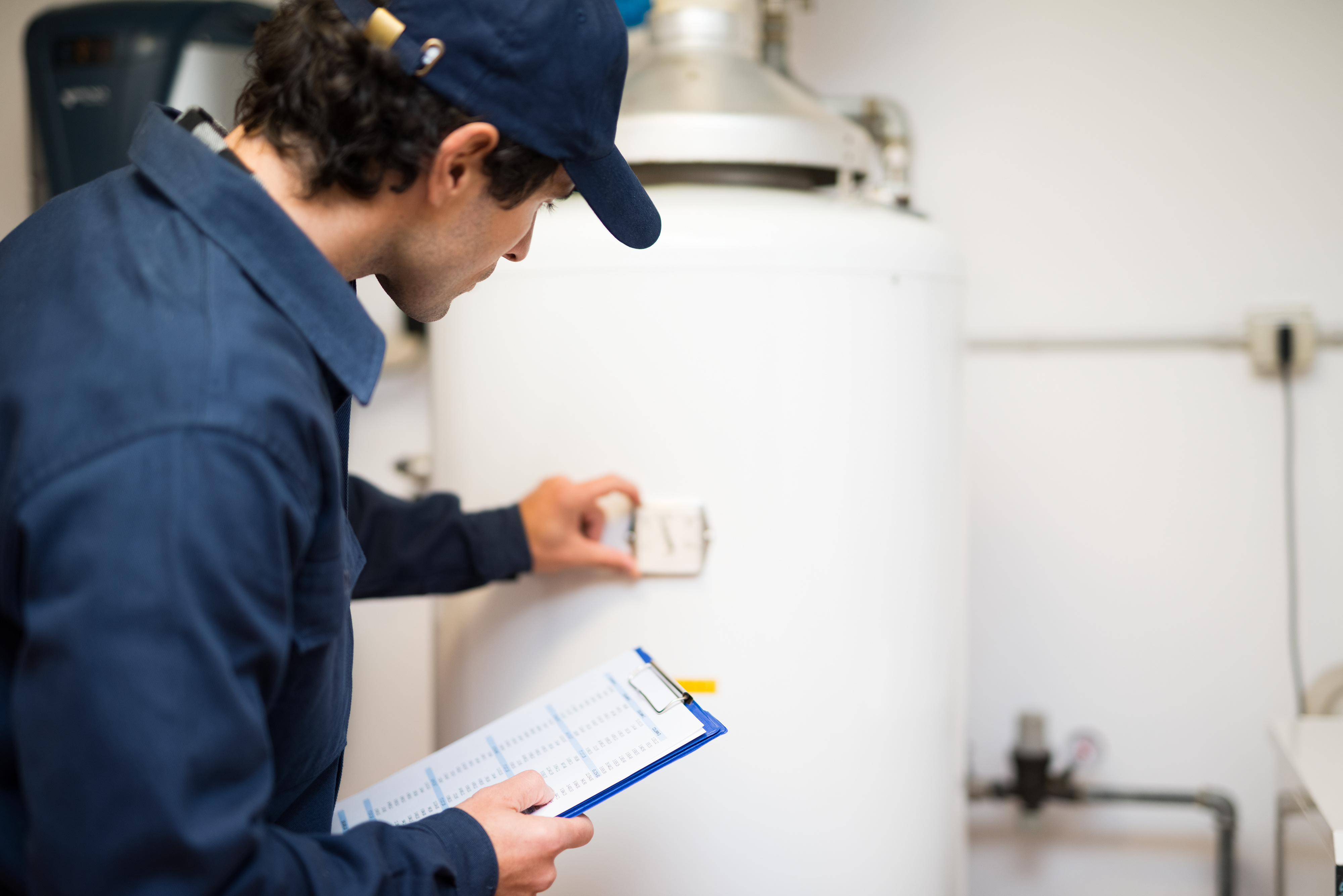
Before you roll up your sleeves, let’s get you ready to drain that hot water tank. Preparation is the key to a smooth process.
Gathering Necessary Tools
First things first, let’s gather what you’ll need. Grab a garden hose to attach to the tank’s drain valve. You’ll also want a bucket to catch any spills and some work gloves to protect your hands. If you have a gas heater, a long-reach lighter will be useful for relighting the pilot light. Keeping these tools handy ensures you’re ready to tackle the job without interruptions.
Ensuring Safety Precautions
Safety should always come first. Start by turning off the power to your electric heater at the circuit breaker. For gas heaters, switch the thermostat to the “pilot” setting. This prevents the heater from turning on while you work. Make sure to allow the tank to cool down for a few hours to avoid burns. Always double-check that the area around the tank is clear of any flammable materials.
Step-by-Step Guide: Draining the Tank
With your tools and safety checks in place, it’s time to get hands-on. Follow these steps to drain your hot water tank like a pro.
Turning Off the Power and Water
Begin by shutting off the water supply to the tank. Turn the cold water valve clockwise until it stops. Next, open a hot water tap in your home to relieve pressure and help the tank drain more quickly. For an electric heater, ensure the power is off at the breaker. If you’re dealing with gas, confirm the thermostat is set to “pilot.”
Draining the Hot Water Tank
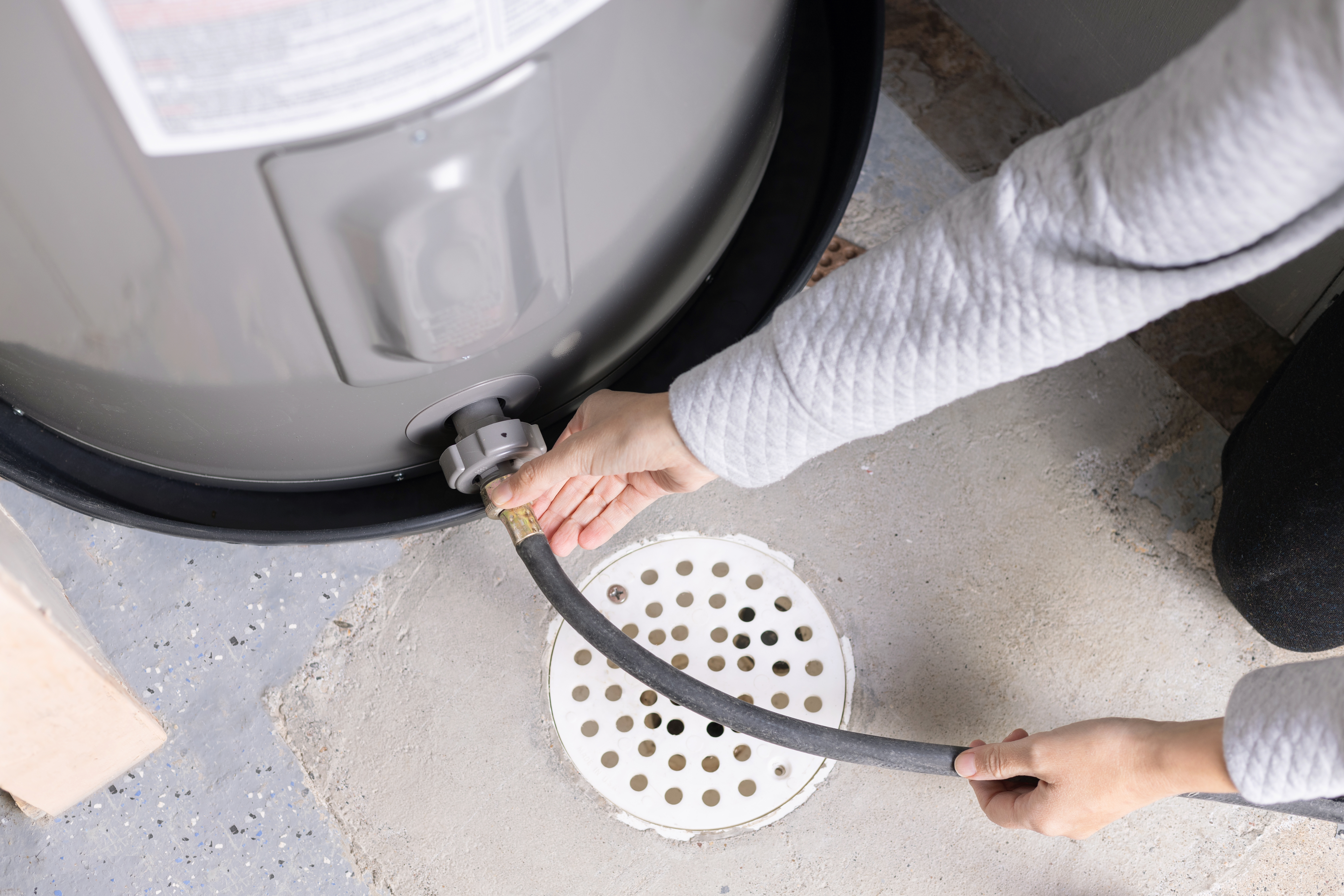
Attach your garden hose to the drain valve at the bottom of the tank. Run the hose to a safe drainage location, like a floor drain or outside area. Open the valve slowly and let gravity do its job. This process could take 30 minutes to an hour, so be patient. If you notice a slow flow, open the pressure relief valve on top of the tank to speed things up. For visual guidance, you can watch this short video.
Post-Drain Maintenance Tips

Congratulations, you’ve drained your hot water tank! Now let’s make sure everything is in tip-top shape moving forward.
Flushing the Tank for Cleanliness
Even after draining, sediment can linger. To flush it out, briefly turn the cold water supply back on. This rush of water will help clear out any remaining debris. Let the water run clear before closing the drain valve. This simple step keeps your tank clean and efficient.
Checking for Leaks and Issues
Once your tank is refilled, take a moment to inspect for leaks. Look around the base and connections for any signs of water. If you spot a leak, tightening connections or replacing the gasket might do the trick. Remember, detecting issues early on can save you from bigger headaches later. For more insights, check out this community discussion.
Long-Term Care and Maintenance
You’ve done the hard part, but maintaining your hot water tank is an ongoing task. Let’s explore some simple ways to keep it running smoothly.
Routine Plumbing Tips
Here’s the key insight: regular checks are your best friend. Make a habit of inspecting your tank every few months. Look for rust, dampness, or odd noises. Catching problems early can save you from unexpected repairs. Also, consider insulating your tank to improve efficiency and save on energy bills.
Scheduling Regular Inspections
Finally, don’t shy away from professional help. Schedule a yearly inspection with a trusted plumber. They’ll provide a thorough check and handle any complex issues you might miss. Most people think DIY is enough, but expert eyes ensure your hot water tank’s longevity. The longer you wait, the more problems can build, so make inspections a priority.
By following these steps and tips, you’re well on your way to mastering hot water tank maintenance. Keep your system in good shape, and enjoy those hot showers worry-free! For more detailed video tutorials, check out this YouTube link.
For more DIY plumbing tips please visit our main blog page.