


How To Tell if Your Pipes Are Frozen and How to Unfreeze Them Safely
Frozen pipes cause more headaches than most winter problems. When your water suddenly stops flowing, your first thought should be spotting the signs of frozen pipes before damage sets in. This guide shows you how to tell if your pipes are frozen and how to unfreeze them safely and shares winter plumbing tips that can save your home from costly repairs.
Recognizing Frozen Pipes
Let’s dive into recognizing frozen pipes, as spotting them early can save you from expensive repairs. Here’s how you can identify if your pipes are in trouble.
Common Signs of Frozen Pipes
The first thing to watch for is reduced water flow. If you turn on the faucet and get just a trickle, your pipes could be frozen. This occurs because ice blocks water movement. Another clue is frost on exposed pipes. If you notice frost or ice on pipes, especially in unheated areas like basements or attics, that’s a clear signal.
A strong, musty odor from your faucet could also indicate frozen pipes. This smell comes from blocked drains or pipes. So, if you notice any of these signs, take action quickly to avoid further issues. For more detailed signs, check out this guide.
Unusual Sounds and Leaks
Unusual sounds, like banging or clanking, might mean water is struggling to pass through a frozen area. This sound can occur as pressure builds up. If you hear these noises, don’t ignore them! Additionally, leaks or puddles near exposed pipes suggest that ice is expanding, causing the pipe to crack or burst. If you see water accumulating in areas it shouldn’t, it’s time to investigate further. To hear real-life experiences, visit this discussion.
How to Unfreeze Pipes Safely

Once you’ve recognized frozen pipes, unfreezing them safely should be your next step. Let’s look at the tools and steps you’ll need.
Tools You’ll Need
To safely unfreeze your pipes, gather some basic tools. A hair dryer is handy for gently warming the pipe. Heating pads or towels soaked in hot water can also help. Avoid open flames or high heat, as these might damage pipes. You might also want a thermometer to monitor temperatures, ensuring you don’t overheat the pipes and cause them to burst.
Step-by-Step Guide
-
Locate the Frozen Pipe: Check exposed pipes first, as they’re more likely to freeze.
-
Open the Faucet: Turn on the faucet before you start thawing. This helps relieve pressure, allowing water or steam to escape.
-
Apply Heat: Use a hair dryer or heating pad to warm the pipe gently. Start from the faucet end and work your way back. This ensures that the ice melts out of the pipe, rather than getting stuck.
-
Monitor Closely: Keep an eye on the pipe as it thaws. Look for leaks or cracks that might appear during the process.
By following these steps, you can safely unfreeze your pipes and avoid potential damage. More tips are available in this forum.
Preventing Frozen Pipes
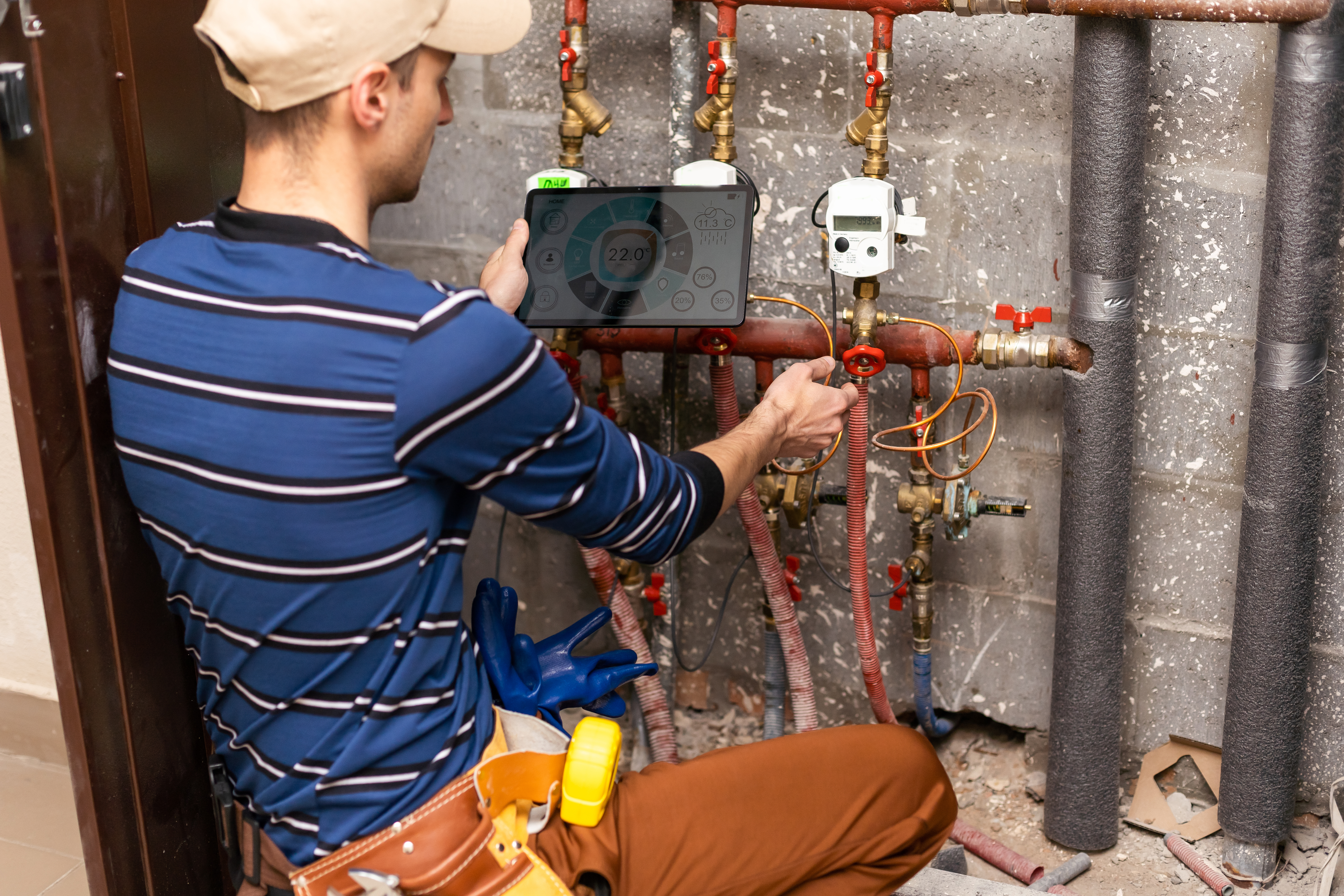
Prevention is always better than repair. Let’s explore some key strategies to keep your pipes from freezing.
Winter Plumbing Tips
Insulating pipes is a simple yet effective way to prevent freezing. Foam pipe insulation is affordable and easy to apply. Wrapping pipes in unheated areas like garages or attics can provide extra protection. Also, keeping garage doors closed and maintaining heat in your home, even in unused spaces, helps keep pipes warm. Learn more about winterizing your home here.
Insulation and Maintenance
Regular maintenance is crucial for pipe protection. Check for leaks or cracks in your plumbing system and repair them promptly. Draining outdoor hoses and shutting off water supply to outdoor faucets can prevent outdoor water lines from freezing. Inspect your home’s insulation annually, especially in areas prone to freezing. Some additional maintenance tips can be found in this article.
When to Call a Professional
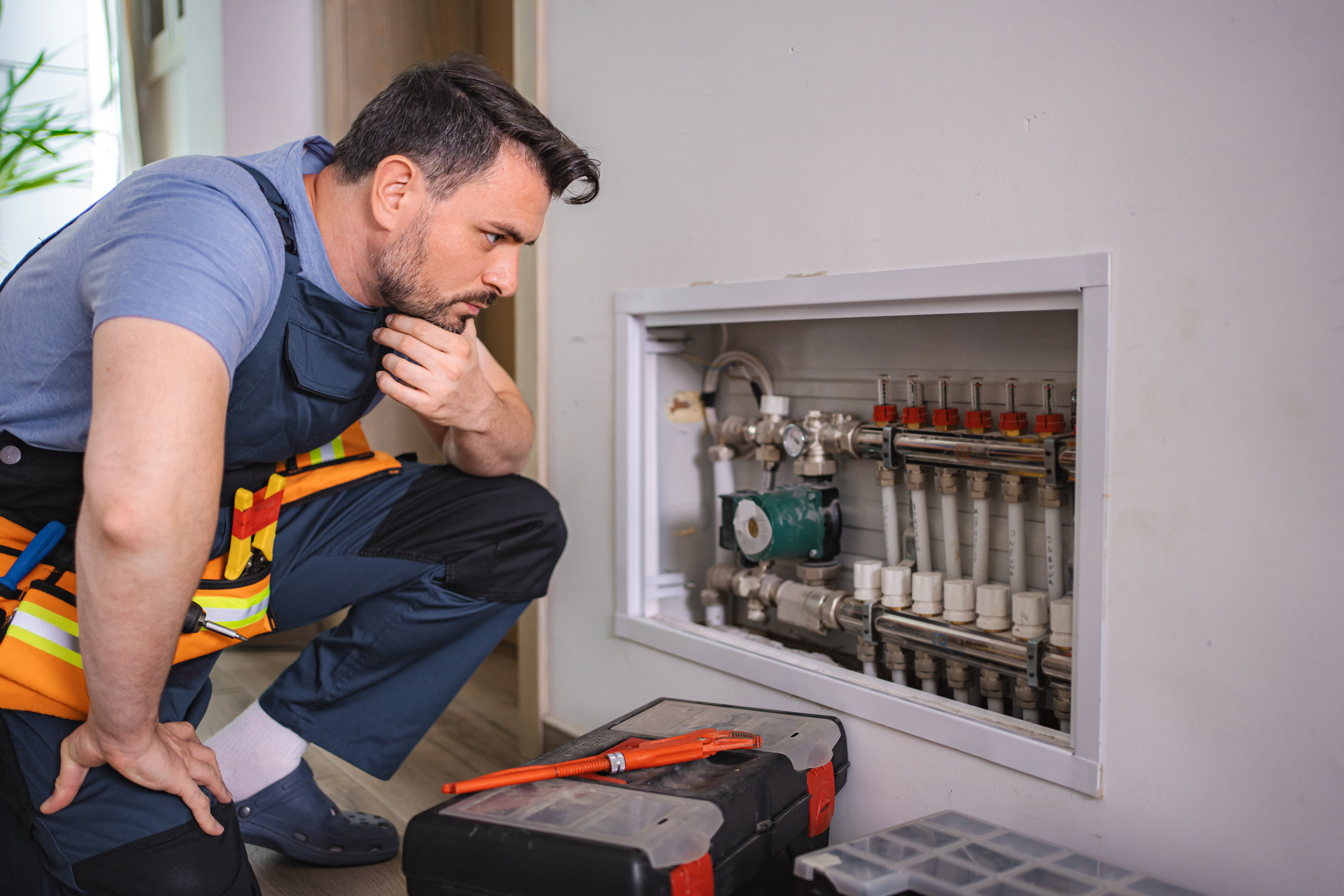
Sometimes, DIY solutions aren’t enough. Knowing when to call in a pro can save you from bigger problems later on.
Assessing the Severity
If your attempts to unfreeze the pipes don’t work, or you notice significant leaks, it’s time to call a plumber. Professionals have specialized equipment to handle severe cases safely. A burst pipe, for example, requires immediate attention to prevent extensive water damage.
Choosing the Right Service
When selecting a plumbing service, look for companies with good reviews and experience in handling frozen pipes. Ask friends or neighbors for recommendations, or look online for reputable services. Remember, the longer you delay, the more damage frozen pipes can cause. Trusting professionals can give you peace of mind and protect your home from costly repairs. For more insights on choosing the right service, consider these tips.
Frozen pipes can be a hassle, but understanding the signs and knowing how to address the issue can keep your home safe. Remember, prevention is key, and when in doubt, don’t hesitate to seek professional help. Stay warm and keep those pipes flowing!
If you have frozen pipe or a burst pipe and need emergency plumbing, JLR Plumbing can help. With over 20+ years in the Spokane WA and surrounding area, have peace-of-mind knowing that we get the job done right!