


Home Plumbing Advice: Simple Steps to Keep Your Pipes Safe This Winter
Frozen pipes cause over $1 billion in damage each winter. If your plumbing isn’t ready, you’re risking costly repairs and cold showers. These winter plumbing tips will show you simple steps to prevent frozen pipes and keep your home safe all season long.
Understanding Winter Plumbing Challenges

As winter approaches, understanding common plumbing issues can help you prepare and avoid potential headaches.
Common Winter Plumbing Issues
When temperatures drop, pipes can freeze and burst, causing water damage. Broken pipes are a major concern in winter. Ice expands inside the pipes, creating pressure. This pressure can eventually cause pipes to crack or burst. In addition to broken pipes, clogged drains are another issue during winter. Debris and grease solidify faster in cold temperatures, leading to blockages.
Importance of Winter Plumbing Care
Taking care of your plumbing during winter isn’t just about avoiding problems; it’s about maintaining a comfortable home. By maintaining your pipes, you ensure a steady water flow even on the coldest days. This care helps you avoid costly repairs and keeps your water supply reliable. Check out these tips for preventing frozen pipes to ensure your plumbing remains in top shape.
Preparing Your Pipes for the Cold
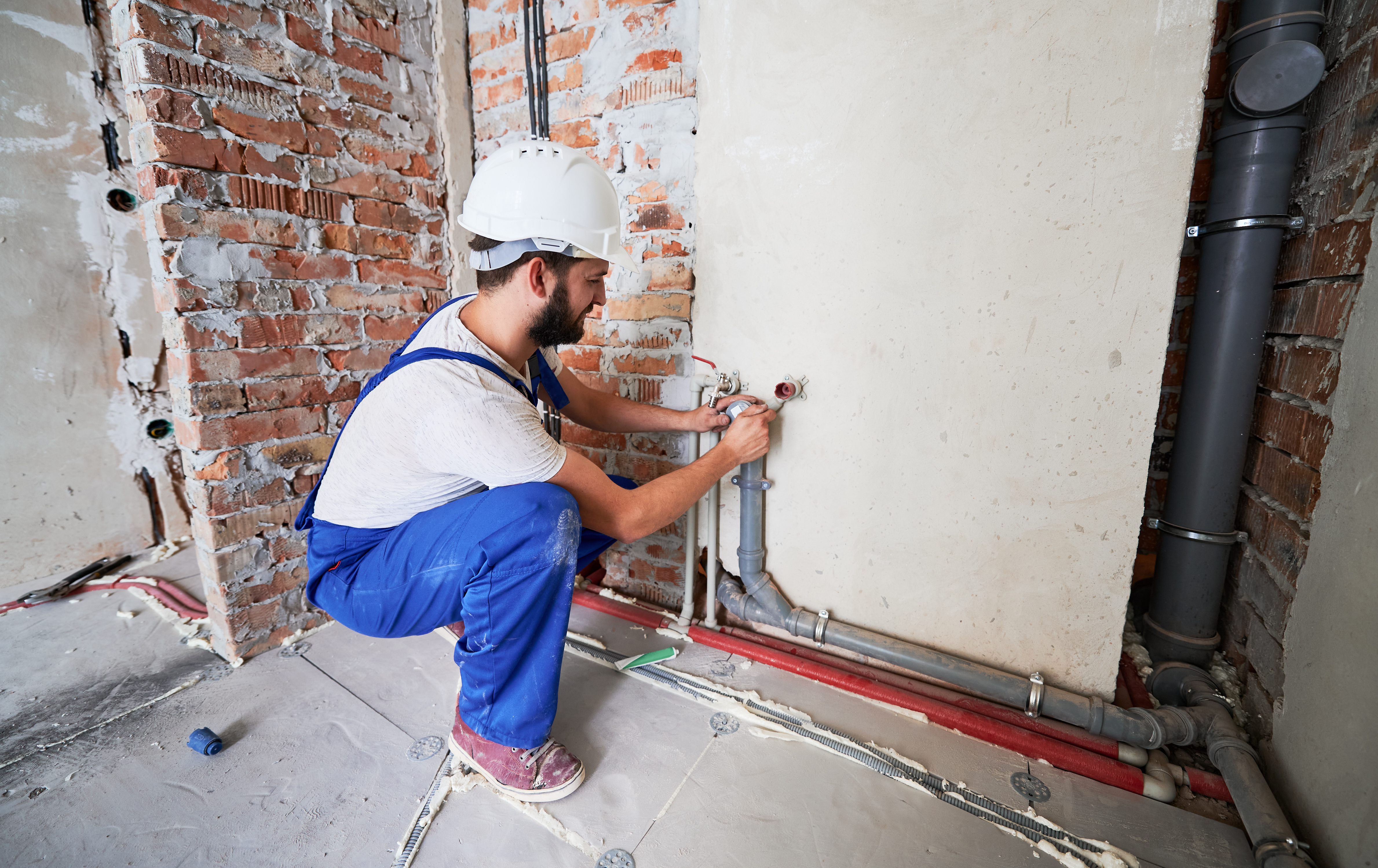
Now that you know the challenges, it’s time to prepare your pipes for the cold months ahead.
Insulation Techniques for Pipes
Adding insulation to your pipes is like giving them a warm coat. Foam pipe covers, available at most hardware stores, are an easy way to insulate. Simply wrap them around exposed pipes, especially those in unheated spaces like garages or crawl spaces. You might also consider heat tape for added protection. It provides a gentle warmth to prevent freezing. Remember, a small investment in insulation can save you from expensive repairs later.
Indoor Plumbing Maintenance Winter Tips
Your indoor plumbing needs some attention too. Dripping faucets during extremely cold nights can prevent freezing. It keeps water moving, making it harder for pipes to freeze. Also, opening cabinet doors under sinks allows warm air to circulate around the plumbing. Don’t forget to check your water heater. Ensuring it’s functioning properly will keep those hot showers coming. For more insights, visit this community group where people share their winter plumbing experiences.
Preventing Frozen Pipes
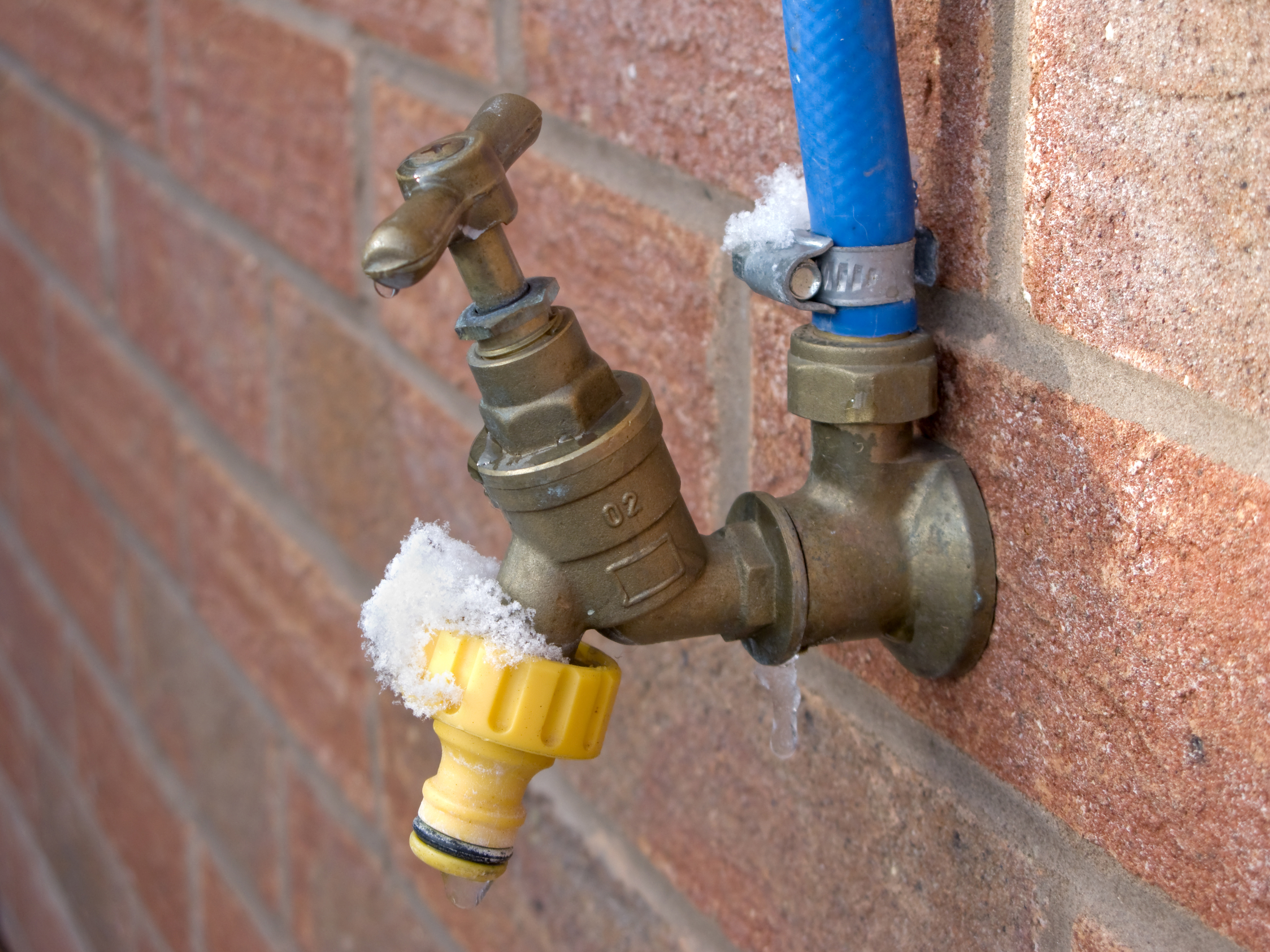
Frozen pipes are a winter nightmare, but you can avoid them with careful planning.
Warning Signs of Freezing Pipes
Spotting the signs early can save you a lot of trouble. Reduced water flow is a clear indicator. If you notice this, it might mean ice is forming inside. Listen for strange sounds; gurgling or banging noises can also signal freezing. If you suspect an issue, act fast.
Emergency Actions for Frozen Pipes
If you find frozen pipes, don’t panic. Turn off the main water supply immediately. This prevents further damage. Use a hair dryer to gently thaw the pipe, starting from the faucet end. Avoid using open flames as they are a fire hazard. If you’re unsure, seek professional help. The Red Cross offers more guidance on handling frozen pipes.
Winter Plumbing Tips for Outdoor Areas
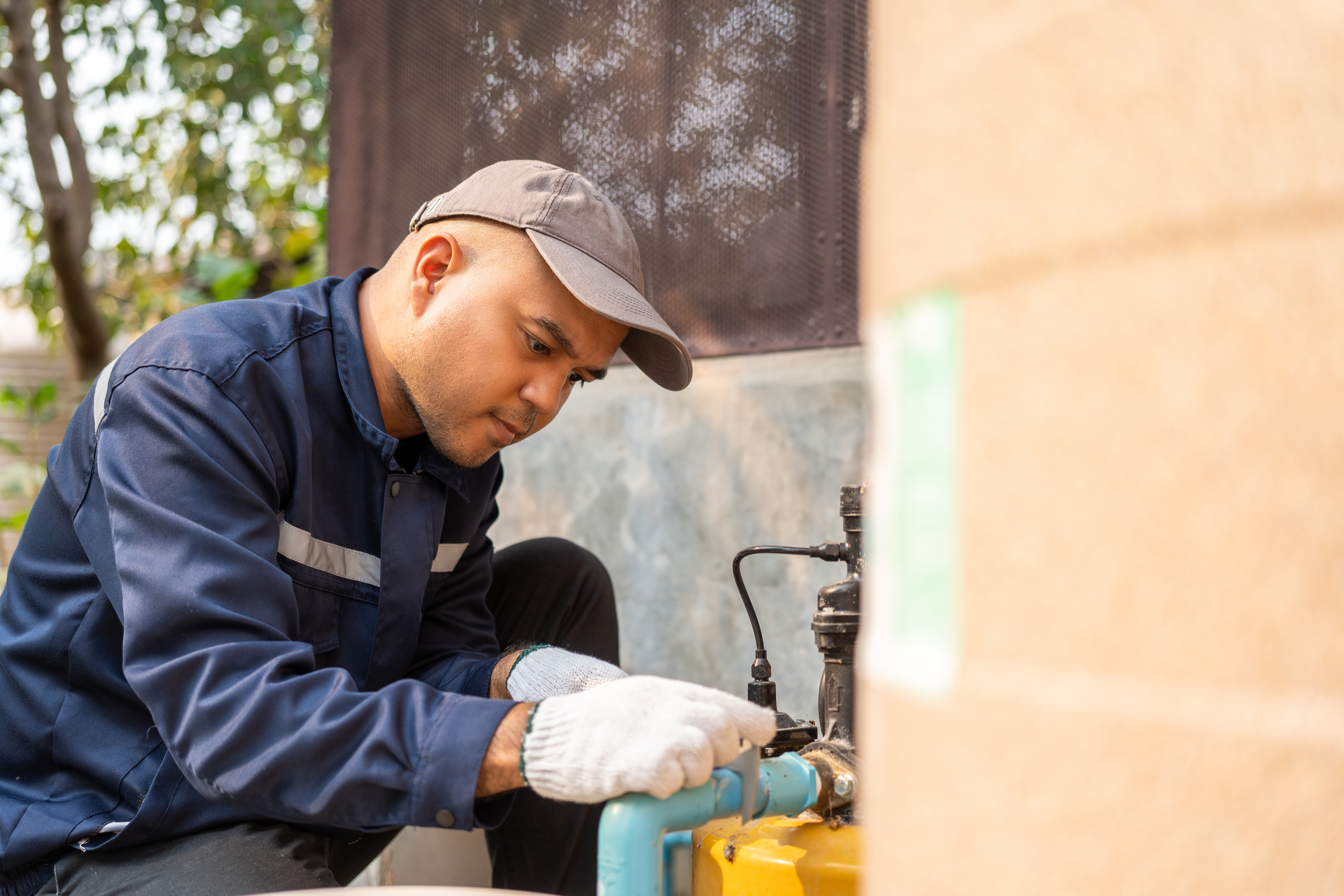
Don’t forget about your outdoor plumbing systems, as they need protection too.
Protecting Outdoor Faucets and Hoses
Your garden hoses and faucets are vulnerable to winter’s chill. Disconnect and drain all garden hoses. Store them indoors. Install faucet covers for outdoor spigots. These covers are affordable and can prevent costly damage. Ensure all outdoor faucets are shut off and drained before the first frost.
Safeguarding Pool and Sprinkler Systems
Pools and sprinkler systems require a bit more effort. Drain all water from the system and use an air compressor to blow out remaining water. This prevents any water from freezing and causing damage. Cover your pool to keep debris out and maintain cleanliness. For a detailed guide, check out this article.
Long-Term Home Plumbing Advice
Looking beyond winter, there are steps you can take for year-round plumbing care.
Regular Plumbing Maintenance Schedule
Creating a maintenance schedule helps keep your plumbing in top condition. Plan for monthly checks on exposed pipes for leaks or damage. Schedule annual professional inspections to catch potential issues early. Regular maintenance prevents small problems from becoming big headaches.
Professional Services Worth Considering
Sometimes, a DIY approach isn’t enough. Hiring a professional plumber can provide peace of mind. They have the tools and expertise to handle complex issues. Consider services like annual inspections or one-time repairs. It’s a smart investment in your home’s longevity. Curious about what others think? Join discussions in groups like this one for shared experiences and recommendations.
By taking these steps, you can ensure your home’s plumbing is ready for whatever winter throws your way. Stay warm and worry-free!
If your looking for more plumbing tips, check out the rest of our blog.