


Top 5 Easy DIY Plumbing Fixes for Beginners
Most homeowners panic when a leak starts dripping or a drain clogs up. You don’t have to call a plumber every time something goes wrong around the house. With a few simple plumbing hacks, you can handle easy plumbing repairs yourself and save time and money.
Fix a Leaky Faucet

A dripping faucet isn’t just annoying; it can also waste gallons of water over time. But don’t let it intimidate you. Tackling this issue can be straightforward if you have the right tools.
Tools You’ll Need
To get started, gather a few essentials from your toolbox. You’ll need an adjustable wrench, a Phillips head screwdriver, and some plumber’s tape. A small container will also come in handy for any small parts you might remove. Having these on hand will save you time and frustration.
Step-by-Step Guide
-
Turn Off the Water: First, locate the shut-off valves under the sink and turn them off. This step prevents a mess and makes the process smoother.
-
Remove the Handle: Use the screwdriver to take off the handle, revealing the inner parts.
-
Inspect the Washer: Check if the washer looks worn or damaged; it’s often the culprit of leaks.
-
Replace the Washer and Reassemble: Swap out the old washer with a new one, then reassemble the faucet and turn on the water supply.
These steps will have your faucet working like new in no time.
Common Mistakes to Avoid
One common mistake is not turning off the water supply. It might seem obvious, but it’s an easy step to forget. Also, ensure you have the correct replacement parts before starting. A quick check can save multiple trips to the store. Most people think they need specialized skills, but a little patience is usually all it takes.
Unclog Your Drains
Clogged drains can be a hassle, but with a few methods, you can get them flowing freely again. Knowing the right techniques can save you from a costly professional visit.
Effective Drain Cleaning Methods
Start with a plunger, a versatile tool for many types of clogs. For kitchen sinks, a mix of hot water and dish soap can break down grease. In tougher cases, a drain snake can tackle stubborn blockages. These methods are simple and effective for most minor clogs.
Homemade Drain Cleaners
Sometimes, DIY solutions work wonders. Try a mixture of baking soda and vinegar: pour half a cup of baking soda followed by half a cup of vinegar down the drain. Let it sit for 15 minutes, then flush with boiling water. This natural method can clear minor clogs and is eco-friendly too.
When to Call a Plumber
If your clog persists after trying these methods, it might be time to seek professional help. Persistent issues can indicate deeper problems. Learn more about when to call in the professionals.
Repair a Running Toilet
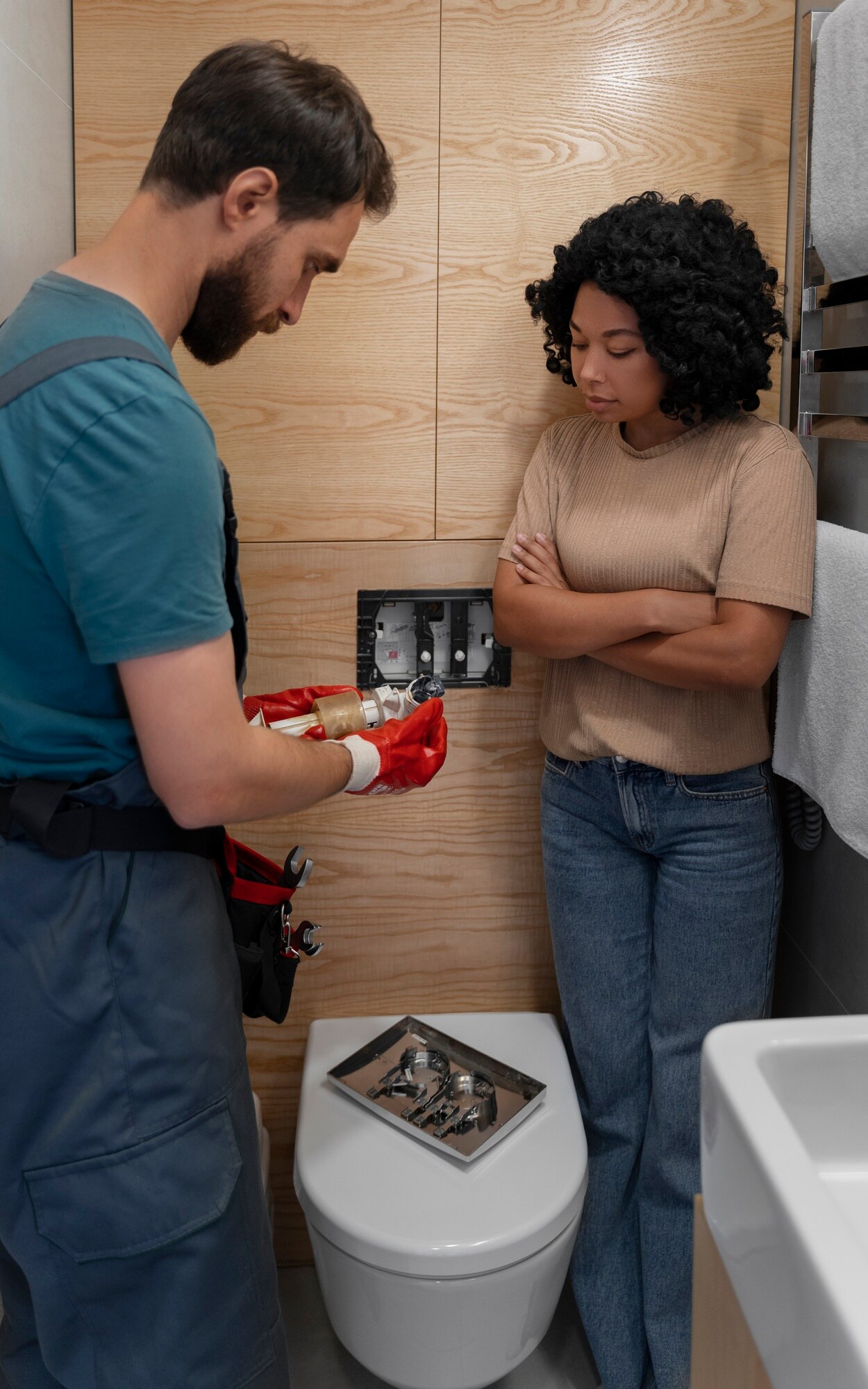
A running toilet can be annoying and costly, wasting water and money. Thankfully, you can often resolve this issue yourself with a few simple checks.
Identifying the Problem
The first step is to lift the tank lid and observe the inner workings. Often, the flapper or the fill valve is the culprit. A quick look can tell you what needs attention.
Fixing the Flapper
A worn flapper might not seal properly, causing the toilet to run. To fix it, turn off the water supply, remove the old flapper, and replace it with a new one. Ensure it fits snugly for an effective seal. This fix is quick and usually resolves the issue.
Adjusting the Fill Valve
If the toilet is still running, the fill valve may need adjustment. Check if the float is set too high; it should be adjusted so the water level is about an inch below the overflow tube. A simple tweak can prevent excessive water use.
Fix Low Water Pressure
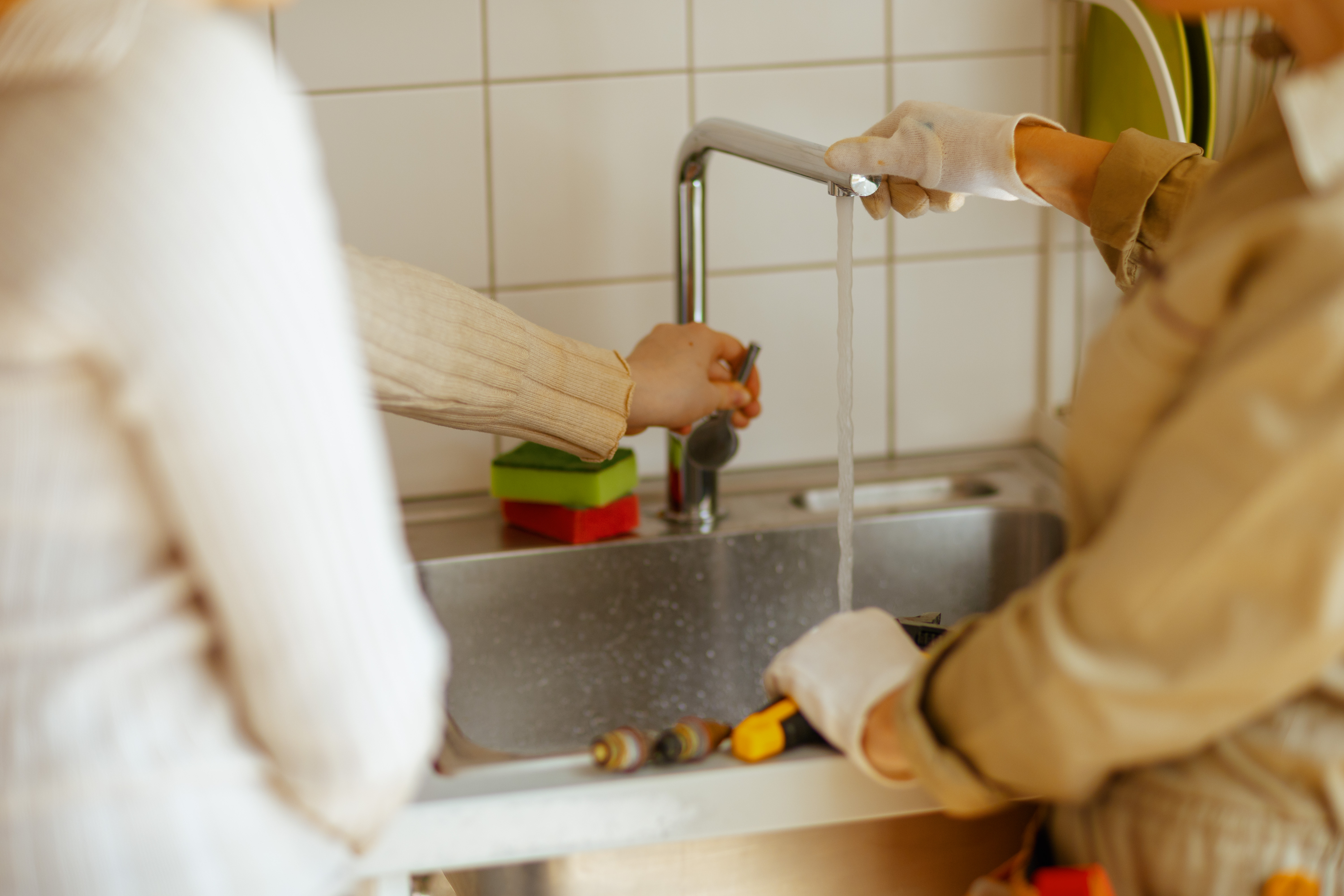
Low water pressure can make daily tasks frustrating, but understanding the cause can help you restore it. Let’s explore some simple checks.
Check Your Fixtures
Start by checking all the faucets in your home. If it’s just one or two fixtures with low pressure, the problem might be isolated to those areas. Often, cleaning or replacing a fixture can solve the issue.
Cleaning Faucet Aerators
Mineral deposits can clog aerators, reducing water flow. Unscrew the aerator from the faucet, clean it with a brush, and rinse thoroughly. Reattaching it should improve pressure quickly. This small adjustment can make a big difference.
Inspecting Pipes for Blockages
If pressure is low throughout the house, check for blockages in your pipes. Sediment build-up can restrict flow over time. A plumber might be needed if you suspect extensive pipe issues, but a basic check is a good start.
Stop a Leaky Showerhead
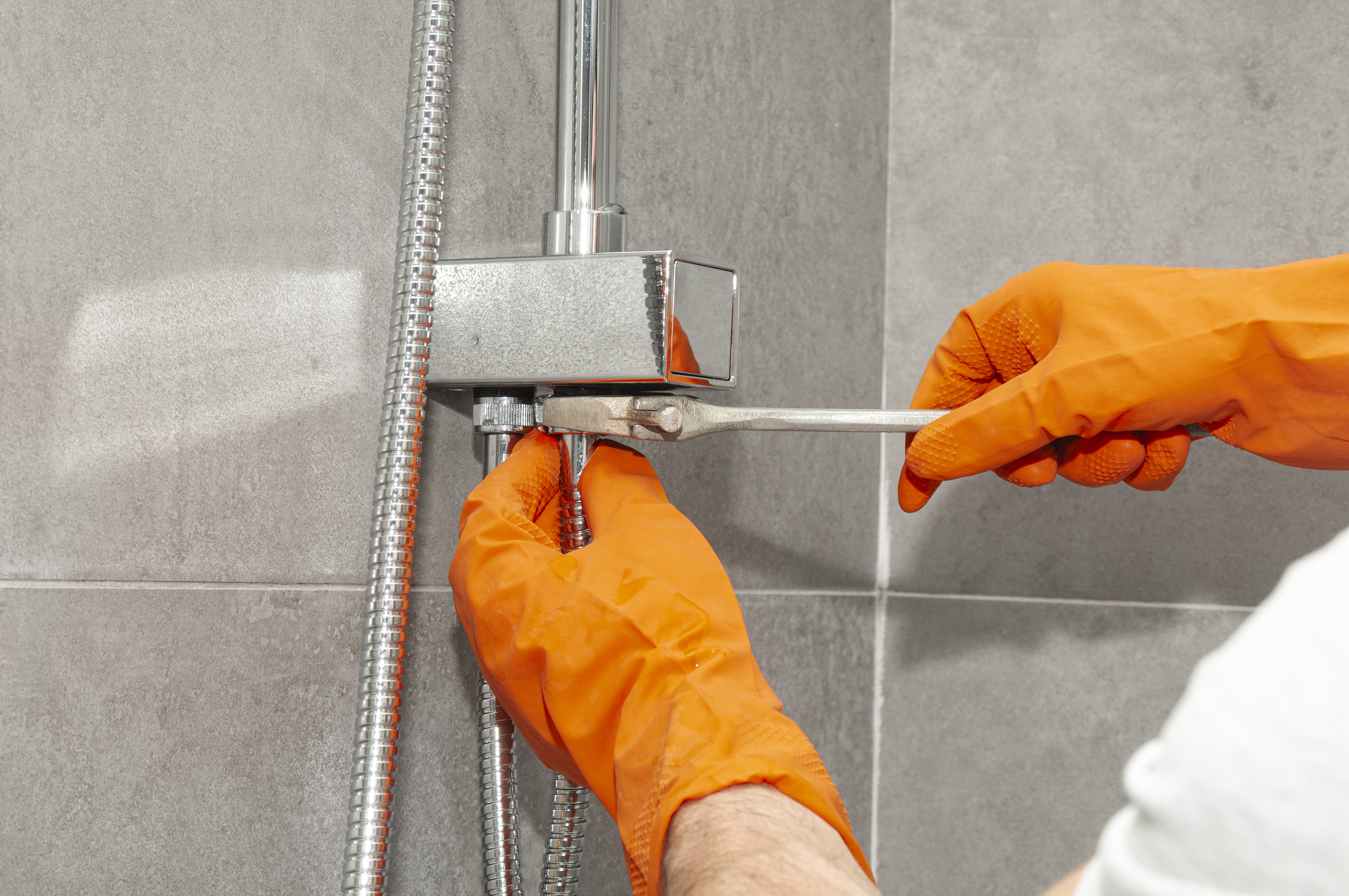
A leaky showerhead can waste water and increase your bills. Fixing it is often easier than you think.
Tightening Connections
Many leaks result from loose connections. Use a wrench to tighten the showerhead and ensure a snug fit. Sometimes, a simple adjustment is all that’s needed.
Replacing Washers or Seals
If leaking continues, the issue might be with the washers or seals. Disassemble the showerhead, replace worn parts, and reassemble. This quick fix can stop most leaks effectively.
Maintaining Your Showerhead
Regular cleaning and maintenance can prevent future leaks. Soak the showerhead in vinegar to clear mineral deposits. This simple routine can keep it working efficiently for years to come.
Explore more DIY plumbing solutions and keep your home in top shape without stress.