


Water Heater Making a Hissing Noise? Here’s What It Could Mean
If you hear a strange sound coming from your water heater, it can be difficult to know whether you’re dealing with a minor issue or something that needs professional attention. One particularly common concern is a water heater making a hissing noise.
The good news is that a hissing sound does not automatically mean your water heater is about to fail. Depending on whether you have a gas or electric water heater, the sound could be caused by sediment buildup, condensation, water coming into contact with a hot surface, pressure inside the tank, or a leaking component.
However, some causes should be inspected sooner rather than later.
At JLR Plumbing, we help homeowners throughout Spokane and the surrounding area diagnose water heater problems and determine whether a repair, maintenance service, or replacement makes the most sense.
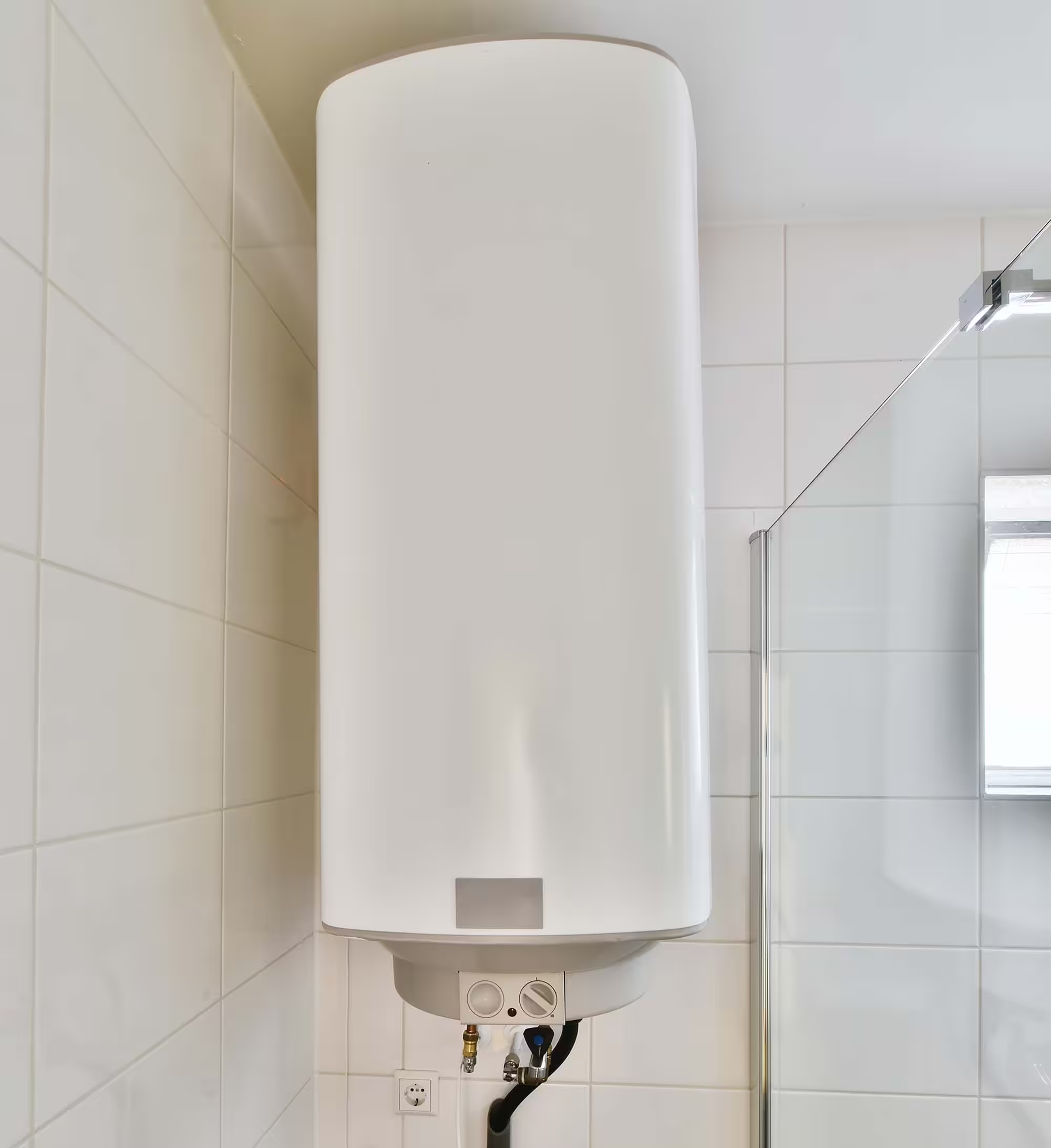
Why Is My Water Heater Making a Hissing Noise?
A water heater can produce a surprising number of sounds during normal operation. Pops, cracks, rumbles, and occasional hissing may all occur for different reasons.
If your water heater is making a persistent hissing sound, some of the most common causes include:
- Sediment buildup inside the water heater tank
- Condensation on a gas water heater
- A small water leak
- A problem with the temperature and pressure relief valve
- An electric heating element covered with mineral deposits
- Water pressure issues
- A partially closed valve
The location and timing of the sound can provide clues about what is happening.
1. Sediment Buildup Inside the Water Heater Tank
One of the most common reasons for unusual water heater noises is sediment accumulation at the bottom of the tank.
Minerals naturally present in the water can settle inside a traditional tank-style water heater over time. As the burner or heating elements heat the water, moisture and steam can become trapped underneath or within the sediment.
That trapped moisture can create hissing, popping, crackling, or rumbling noises.
Sediment buildup can also make your water heater less efficient because the unit has to work harder to transfer heat into the water.
Other signs of sediment buildup may include:
- Hot water running out faster than it used to
- Increasing energy bills
- Popping or rumbling from the tank
- Cloudy or discolored hot water
- Reduced water heater efficiency
Periodic water heater maintenance and tank flushing can help reduce sediment accumulation.
2. Condensation on a Gas Water Heater
If you have a gas-powered unit, a hissing water heater may sometimes be caused by condensation.
When cold water enters the tank and the gas burner turns on, condensation can form inside the water heater. Small droplets may fall onto the hot burner assembly below.
When the water contacts the heated metal, you may hear a sizzling or hissing sound.
A small amount of condensation can sometimes occur during normal operation, particularly when the water heater is heating a large volume of cold water.
However, if you notice excessive moisture around the bottom of the water heater or the sound continues for long periods, the unit should be inspected to make sure there isn’t a leak.
3. A Water Heater Leak
A water heater making a hissing noise can sometimes indicate leaking water.
Even a small leak may create a hissing or sizzling noise when water drips onto a hot burner, heating element, or other heated surface.
Look around the water heater for signs such as:
- Water underneath the tank
- Moisture around plumbing connections
- Rust or corrosion
- Water around the drain valve
- Dampness near the temperature and pressure relief valve
- Water running down the side of the tank
A leaking fitting or valve may sometimes be repairable.
A leaking water heater tank itself is different. Once the internal tank has corroded and begun leaking, replacing the water heater is usually the appropriate solution.
Never ignore water collecting around the base of a water heater. A small leak can become significantly worse and potentially cause water damage.
4. Electric Water Heater Heating Element Problems
Electric water heaters use heating elements inside the tank to heat the water.
Over time, minerals can accumulate around these elements. When the heating element operates underneath a layer of mineral deposits, it can produce hissing, sizzling, popping, or crackling noises.
Heavy mineral buildup may also interfere with heating performance.
You might notice:
- Water taking longer to heat
- Not enough hot water
- Inconsistent water temperature
- Higher electricity usage
- Strange sounds while the unit is heating
An electrician or qualified plumbing professional can test the heating elements to determine whether they are operating properly.
5. Temperature and Pressure Relief Valve Issues
Every tank-style water heater has a temperature and pressure relief valve, commonly called the T&P valve.
This important safety device releases pressure if conditions inside the water heater become unsafe.
If excessive pressure is building inside the tank, you may hear air or water escaping through the valve, potentially creating a hissing sound.
You may also notice water coming from the discharge pipe connected to the valve.
A T&P valve that is repeatedly releasing water should not simply be ignored or plugged. The underlying reason for the excessive pressure needs to be identified.
Potential causes can include:
- Excessive water temperature
- High household water pressure
- Thermal expansion
- A defective pressure relief valve
Because the T&P valve is an important safety component, problems involving it should be evaluated promptly.
6. High Water Pressure
Excessive plumbing pressure can sometimes create unusual sounds around your water heater and plumbing system.
High pressure puts additional stress on:
- Water heater connections
- Faucets
- Appliance supply lines
- Plumbing valves
- The water heater tank
If you hear hissing near plumbing connections or valves, household water pressure may be worth checking.
Consistently high water pressure can shorten the lifespan of plumbing components and contribute to leaks.
7. A Partially Closed Water Valve
Sometimes the source of a hissing sound is simpler than expected.
Water moving through a partially closed shutoff valve can produce a hissing or whistling noise. The sound may appear to be coming directly from the water heater even though it is actually coming from the nearby plumbing.
Check whether the water heater’s cold-water supply valve is fully open.
If you’re unsure which valve controls the water heater, avoid adjusting unfamiliar plumbing or gas components and have a professional take a look.
Is a Hissing Water Heater Dangerous?
Not necessarily.
Some hissing sounds can occur during normal water heater operation, particularly from condensation on certain gas water heaters.
However, a persistent or unusually loud hissing sound should be investigated because it could indicate:
- A water leak
- Excessive pressure
- A malfunctioning valve
- Sediment buildup
- Heating element problems
The sound becomes more concerning if it occurs along with visible leaking, extremely hot water, a gas smell, corrosion, or water coming from the pressure relief system.
If You Smell Gas
If you have a gas water heater and smell gas, do not attempt to troubleshoot the appliance yourself. Leave the area and contact the appropriate gas utility or emergency service from a safe location.
Should I Turn Off a Hissing Water Heater?
Whether you should turn it off depends on what else you are seeing.
If the water heater is simply making a mild noise while operating and there is no leak or other sign of trouble, an immediate shutdown may not be necessary.
If you see water leaking from the tank, however, shutting down the unit can help prevent additional problems.
For an electric water heater, power is typically shut off at the circuit breaker.
Gas water heaters require different procedures. If you’re not comfortable identifying the correct controls, contact a professional rather than attempting repairs yourself.
Can Flushing a Water Heater Stop Hissing?
If sediment is responsible for the noise, flushing the water heater may help.
A water heater flush removes accumulated minerals and debris from the bottom of the tank.
Regular flushing can potentially:
- Reduce sediment buildup
- Improve heating efficiency
- Reduce popping and rumbling noises
- Help maintain water heater performance
- Extend the useful life of the system
However, flushing is not the solution for every hissing water heater.
If the noise is being caused by a leak, pressure problem, damaged valve, or failing component, the underlying issue needs to be repaired.
Older water heaters with significant corrosion may also need to be evaluated before attempting a flush.
When Should You Call a Plumber?
Consider having your water heater inspected if the hissing sound is persistent or accompanied by other symptoms.
Call a water heater professional if you notice:
- Water leaking around the tank
- Rust or corrosion
- Water coming from the T&P valve
- Hot water running out unusually quickly
- Water that isn’t getting hot enough
- Extremely hot water
- Repeated popping, banging, or rumbling
- A sudden increase in energy costs
- An older water heater beginning to develop multiple problems
Catching a problem early may allow a relatively simple repair to prevent a much larger failure.
Does a Hissing Water Heater Need to Be Replaced?
Not always.
A hissing water heater may only require maintenance or replacement of a component.
For example, the solution could involve:
- Flushing sediment from the tank
- Replacing a valve
- Repairing a plumbing connection
- Replacing an electric heating element
- Addressing excessive water pressure
Replacement becomes more likely when the water heater has a leaking internal tank, extensive corrosion, poor heating performance, or multiple problems associated with an aging system.
The age of the water heater should also be considered when deciding whether repairing it makes financial sense.
Water Heater Repair in Spokane, WA
If your water heater is making a hissing noise, don’t wait until you’re completely out of hot water to find out what’s wrong.
JLR Plumbing provides professional water heater repair, maintenance, installation, and replacement services throughout Spokane and surrounding communities.
We can inspect the water heater, identify the source of the noise, and explain whether maintenance, repair, or replacement is the best option for your home.
Whether you’re dealing with sediment buildup, a failed heating element, a leaking water heater, or a unit that simply isn’t producing enough hot water, JLR Plumbing can help get your system working properly again.
Water Heater Making a Hissing Noise?
Contact JLR Plumbing to schedule water heater service in the Spokane area. We’ll diagnose the problem and help you determine the most practical solution for your water heater.
Frequently Asked Questions
Why is my water heater making a hissing sound?
A hissing water heater can be caused by sediment buildup, condensation, leaking water, high pressure, a faulty valve, or mineral deposits around an electric heating element. The location and timing of the sound can help determine the cause.
Is it normal for a water heater to hiss?
Occasional light hissing may be normal, especially when condensation drips onto the burner of a gas water heater. Continuous or loud hissing should be investigated, particularly if you notice leaking water.
Why is my electric water heater hissing?
Mineral deposits around the electric heating elements are a common cause. Water trapped beneath the mineral buildup can produce hissing, sizzling, or popping sounds while the element heats.
Why is my gas water heater hissing?
Condensation dripping onto a hot burner can produce a hissing sound. A leaking tank or plumbing connection can cause similar noises, so check for visible moisture around the water heater.
Can sediment make a water heater hiss?
Yes. Mineral sediment inside the tank can trap small amounts of water or steam as the water heater operates. This can create hissing, popping, crackling, or rumbling noises.
Should I replace a noisy water heater?
Noise alone doesn’t necessarily mean the water heater needs to be replaced. A professional inspection can determine whether the problem can be corrected through maintenance or repair. A leaking tank, significant corrosion, or multiple age-related problems may make replacement the better option.