


How to Shut Off Your Water Heater Safely: A Step-by-Step Guide for Emergencies
A sudden leak or malfunction in your HVAC water heater can turn your day upside down. Knowing how to shut off your water heater quickly can prevent costly damage and keep your home safe. This guide walks you through the steps to locate and use the water heater shut off valve during emergencies, plus key plumbing tips for regular water heater maintenance. For more detailed instructions, you can check out this link.
Understanding Your Water Heater
Grasping the basics of your water heater is crucial before jumping into emergency procedures. Let’s explore the different types and common problems you might face.
Types of Water Heaters
Water heaters come in various types, each with its own perks. Storage tank heaters hold water in a large tank until needed. They’re the most common in homes. Tankless heaters provide hot water on demand, saving energy but requiring a higher upfront investment. Then there are heat pump water heaters, which use electricity to move heat from the air or ground to heat water. Choosing the right type depends largely on your household needs and budget.
Common Issues and Solutions
Many face problems like inconsistent temperatures or strange noises. These could be signs of sediment build-up. Did you know? Flushing your tank yearly can prevent this. If your water heater isn’t producing hot water, it might be a thermostat issue. Simply adjusting the settings can often resolve this. But if you’re not comfortable with DIY fixes, seeking professional help is wise.
The Role of the HVAC Water Heater
Your HVAC system plays a role in maintaining home comfort, and the water heater is a part of that system. It ensures you have hot water for showers, washing dishes, and more. While it might seem like a minor component, its efficiency affects your overall energy usage. Keeping your HVAC water heater in good shape means a more comfortable home.
Preparing for Emergencies

Being prepared can make a world of difference when things go awry. Here’s what you need to know about handling water heater emergencies.
Identifying the Water Heater Shut Off Valve
Finding the emergency shut off valve quickly is essential. It’s usually located near the top of the heater, attached to a pipe. Knowing the exact spot in advance can save you precious time. Some water heaters have clear labels, making this task easier. For a visual guide, this video demonstrates the process effectively.
Importance of Water Heater Maintenance
Regular maintenance is key to avoiding emergencies. Just like servicing your car, a water heater needs periodic checks. Did you know? Regular inspections can extend the lifespan of your heater by several years. This involves checking for leaks, inspecting the anode rod, and testing the pressure relief valve. Investing a little time now can save you big bucks down the line.
Tools You Might Need
Having the right tools can make an emergency less stressful. Basic tools include a wrench, screwdriver, and a flashlight. A plumber’s tape is handy for sealing minor leaks temporarily. If water supply lines are involved, having a bucket nearby is smart. Keeping these tools in a designated spot makes them easy to grab when needed.
Step-by-Step Shutdown Process
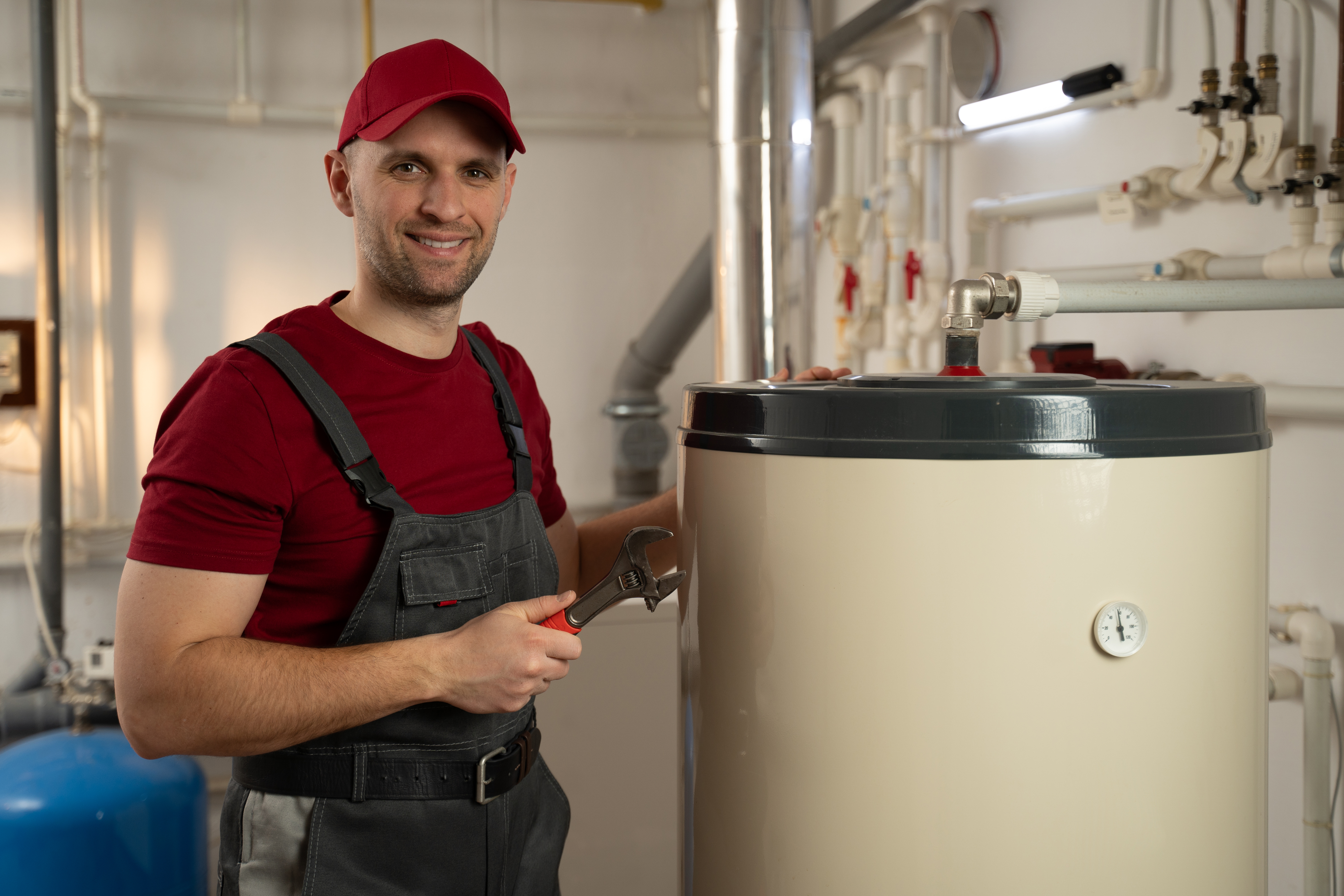
Now that you’re prepared, let’s walk through the steps to safely shut down your water heater during an emergency.
Locating the Water Heater Shut Off Valve
First things first: locate the water heater shut off valve. It’s typically on the cold water supply line above the heater. If you’re unsure, trace the pipe leading to the heater. This valve controls the water flow into the heater. Turning it clockwise will halt the water supply. Here’s a guide that goes into more detail.
How to Shut Off Water Heater
Once you’ve found the valve, it’s time to act. Turn the valve clockwise to stop the water. If you have a gas heater, also turn off the gas supply. For electric heaters, switch off the circuit breaker. This ensures no water enters or heats the tank, reducing the risk of damage. Remember, safety first!
Checking for Safety and Leaks
After shutting down, check for leaks. Look around the base of the heater and adjacent pipes. Use a flashlight for better visibility. If you notice any drips or puddles, a temporary fix like plumber’s tape can help until a professional arrives. Always prioritize safety by avoiding contact with hot or leaking water.
Post Water Heater Shut Off Valve Considerations
Once the immediate crisis is averted, what’s next? Let’s cover the steps to ensure your water heater is ready for future use.
Inspecting for Damage
Now that the water is off, it’s time for a closer look. Inspect the heater for any visible damage. Look for cracks, rust, or water stains. These signs could mean replacement is required. If everything seems intact, a professional inspection is still a good idea. This ensures nothing is overlooked.
When to Call a Professional
Sometimes, DIY isn’t enough. If problems persist after your inspection, it’s time to call a professional. They can provide a thorough assessment and fix any underlying issues. Most people think they can handle it all, but the expertise of a plumber can prevent future mishaps. You can find help at Team Rooter.
Plumbing Tips for Future Prevention
Preventing future issues is as important as fixing current ones. Regularly check your heater and perform simple maintenance tasks. Flushing the tank yearly is a great start. Also, consider installing a water heater blanket to improve efficiency. Keeping these tips in mind can help you avoid headaches and ensure your heater runs smoothly for years to come.
By following this guide, you’re now well-equipped to handle any water heater emergency with confidence and ease. Remember, preparation is your best defense against unexpected mishaps.
For more great articles on Plumbing DIY, please visit our main blog page!