


Why Your Water Heater Won’t Stay Lit and How to Fix It
Your water heater going out when you need it most isn’t just annoying—it can disrupt your whole day. When the pilot light won’t stay lit, it often signals a hidden problem that needs quick attention. This guide walks you through water heater troubleshooting steps that homeowners can tackle themselves, shedding light on why your water heater won’t stay lit and how to get it back on track with simple fixes. Learn more here.
*Note: Pilot light issues can be dangerous. If you feel unsafe with any of these tips, please call a professional. If you are in the Spokane WA area, contact JLR Plumbing. Here is an article on the hazards of pilot lights.
Common Causes of Water Heater Issues

Let’s first dive into the typical culprits behind water heater troubles. Understanding these can save both time and money, and get your hot water flowing again quickly.
Understanding Pilot Light Problems
The pilot light is the heart of your water heater. It’s a small flame that ignites the gas burner, heating the water. If this light goes out, your water heater won’t function. Common reasons include a dirty thermocouple or a broken gas valve. The thermocouple acts like a safety device, shutting off gas if it senses the pilot is out. So, a dirty or faulty one can cut the gas supply unexpectedly.
Another cause could be drafts. If there’s a breeze near your heater, it might blow out the pilot. Or, you might have a faulty thermostat that’s not regulating temperature properly. Check out this discussion for more insights.
Why Water Heater Won’t Stay Lit
If your water heater is acting up, the issue might stem from carbon buildup. Carbon can block the pilot tube, preventing a steady flame. Cleaning it regularly can help. Sometimes, the gas line might have a kink or block, disrupting the flow. This can be tricky, but a quick inspection will often reveal the problem.
Another thing to watch for is the igniter. If it’s weak, it can’t spark the pilot light effectively. Replacing it can make a big difference. You’d be surprised how often a simple switch like this solves the problem. Join the conversation here.
Fixing Your Water Heater
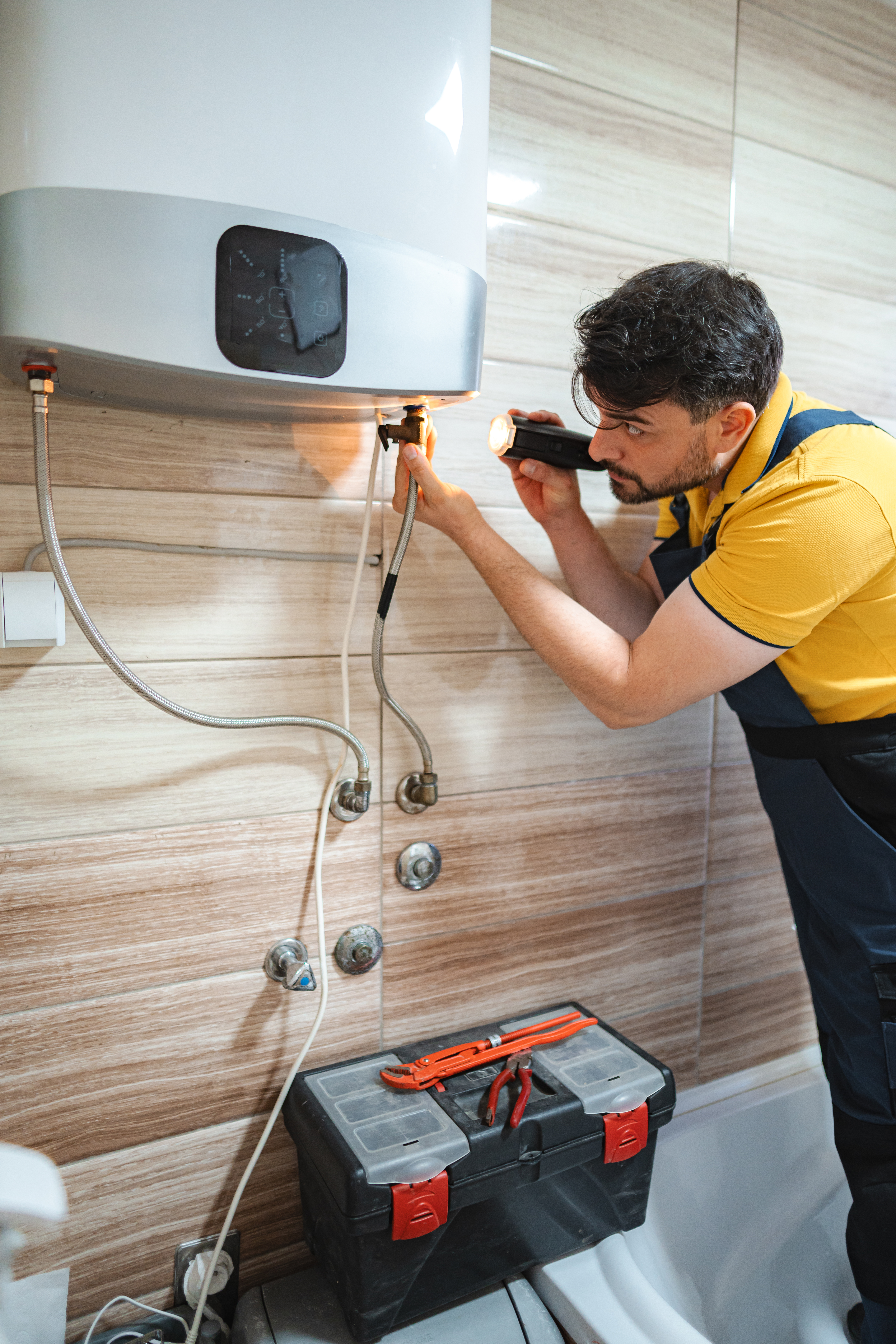
Now that you know the common issues, let’s explore practical steps to fix them. Many solutions are simple enough to handle on your own, without needing a professional.
Water Heater Troubleshooting Steps
Start by checking the thermocouple. A little cleaning can go a long way. Use a piece of sandpaper to gently rub off any soot. Next, inspect the pilot tube for blockages. If it seems clogged, use a thin wire to clear it out.
Always check the gas supply valve; it should be fully open. In some cases, resetting the thermostat can help recalibrate the system. If these steps don’t work, it might be time to consult a professional. Look at this answer for more troubleshooting tips.
Effective Solutions for Pilot Light Issues
If the pilot light continues to go out, re-evaluate your ignition system. A weak spark often means an igniter replacement is needed. This small fix can restore your heater’s functionality. Also, make sure there’s no draft causing the flame to extinguish.
Sometimes, simply repositioning your heater or adding a shield can solve the draft issue. Another option is to check for loose connections within the system which can interrupt the pilot light. See what others are saying about their solutions.
Preventative Water Heater Maintenance
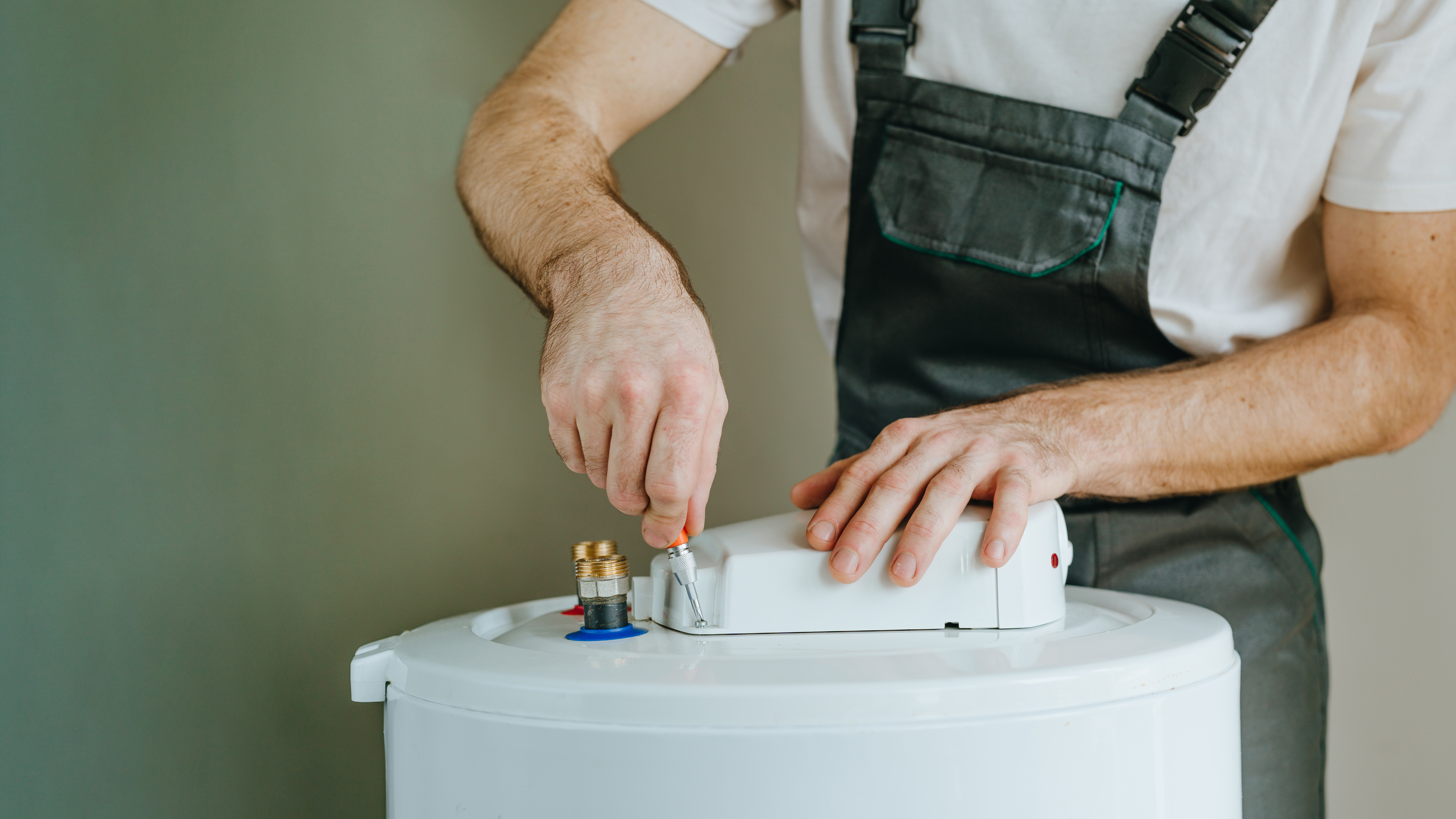
After fixing your water heater, maintaining it is key to avoid future hassles. Consistent care ensures longevity and efficiency.
Essential Water Heater Maintenance Tips
Regular maintenance starts with flushing the tank once a year. This removes sediment that can clog your system. Also, inspect the anode rod annually. If it’s heavily corroded, replace it to prevent rust.
Don’t forget to check the temperature settings. Keeping it at 120°F prolongs the heater’s life and prevents scalding. These simple tasks can make a big difference in performance.
Ensuring Long-Term Heater Reliability
For long-term reliability, install a water softener if you live in an area with hard water. Hard water can corrode parts faster, leading to frequent repairs. Make it a habit to test the pressure relief valve every six months. This ensures it releases pressure properly, avoiding potential damage.
Finally, schedule a professional inspection every couple of years. This catches issues early before they become major problems. By investing a little time in maintenance now, you save stress and costs later.
If you are looking for a professional to take care of your water heater issues, CONTACT JLR PLUMBING. With over 20+ years of experience, have piece-of-mind to know the job will be done right!