


Whole House Water Filter System: Tips for Better Water Quality
When it comes to ensuring your family enjoys fresh and clean water, choosing the right whole house water filter system for your home can feel like a daunting task. With so many options available, from whole house water filter systems to the best water filter systems for specific needs, it’s important to find a solution that suits your lifestyle and budget. Homeowners are increasingly recognizing the numerous water filtration benefits, whether it’s for improving taste, removing impurities, or ensuring safer water for everyday use. In this guide, we’ll explore how to choose the perfect water filter, offering tips for water quality improvement and recommending easy installation water filters to bring peace of mind to your household. Let’s embark on this journey together to find the most suitable water filtration system for your home. For more detailed guidance, you can check out this resource.
Understanding Water Filtration Needs

Finding the right water filter starts with understanding your specific filtration needs. This involves assessing your current water quality and identifying any contaminants that may be present. By doing so, you can make an informed decision that ensures optimal water quality for your home.
Before Purchasing a Whole House Water Filter System, Assess Your Water Quality
To begin, you need to assess the quality of your water. This means determining what impurities are present. Homeowners can start by obtaining a water quality report, often available from local water suppliers. These reports provide crucial information on the levels of various contaminants in your water.
-
Collect a water sample from your tap.
-
Use a home water testing kit or send your sample to a lab for analysis.
-
Review the results to identify any specific contaminants.
Understanding your water’s current state is crucial for choosing the right filtration system. The CDC guide offers more insights on how to evaluate water quality effectively.
Identifying Contaminants and Concerns
Once you have your water quality analysis, the next step is to identify specific contaminants. Common concerns include lead, chlorine, and microbial contaminants. Each of these can have different health impacts and may require different types of filters.
-
Lead: Often found in older plumbing systems.
-
Chlorine: Commonly used for disinfection but can affect taste.
-
Microbial contaminants: Bacteria and viruses that could lead to illness.
Identifying these concerns helps in deciding the filtration method. For detailed resources on identifying contaminants, check the EWG water filter guide.
Choosing the Best Water Filter System
Understanding your water needs is key to choosing the right water filter system. From whole house setups to single-use options, selecting the correct system is essential for effective filtration.
Whole House Water Filter Options
Whole house water filters are a popular choice for comprehensive filtration. These systems can address multiple contaminants and provide clean water throughout your home. They are typically installed at the main water line, ensuring that all water entering the home is filtered.
-
Pros: Provides clean water for all uses, not just drinking.
-
Cons: Initial installation can be complex and costly.
For a detailed look at whole house systems, you can visit the My Tap Score blog.
Key Features of Effective Filtration
When choosing a water filter, it’s essential to focus on key features that make filtration effective. Filtration capability, maintenance requirements, and cost are crucial factors to consider.
-
Filtration capability: Ensure the filter can remove identified contaminants.
-
Maintenance requirements: Consider how often you’ll need to replace filters.
-
Cost: Balance between initial investment and ongoing expenses.
These elements help determine which system best fits your needs. The EWG’s guide to healthy home water filters provides further information on what to look for in a water filter.
Water Filtration Benefits and Installation
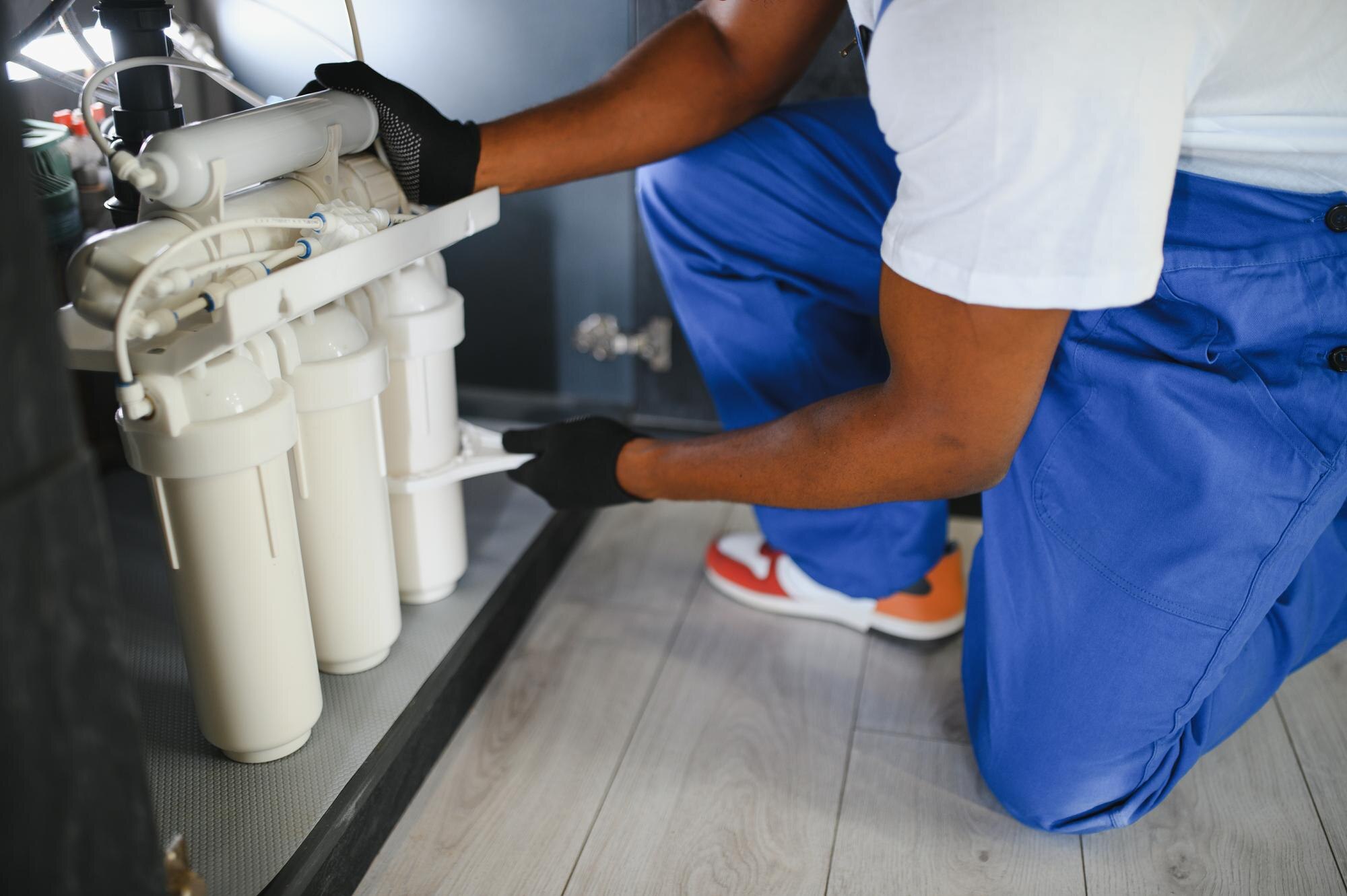
Understanding the benefits of water filtration and how to install these systems can significantly impact your home’s water quality and safety.
Water Quality Improvement Tips
Improving water quality isn’t just about choosing the right filter; it’s about maintaining it properly. Regular maintenance ensures that your system works efficiently.
-
Regularly replace filters as recommended by the manufacturer.
-
Monitor water pressure to ensure the system is functioning correctly.
-
Conduct periodic water tests to ensure continued water quality.
These tips can help maintain the effectiveness of your water filtration system.
Easy Installation or Whole House Water Filter System
For many homeowners, the ease of installation is a critical factor. Easy installation water filters can often be installed without the need for professional help, saving both time and money.
-
Countertop filters: Simple to set up and use.
-
Under-sink models: Require minimal plumbing skills.
-
Pitcher filters: Offer the simplest setup with no installation needed.
The choice of an easy installation water filter or whole house water filter system ensures that every homeowner, regardless of technical skill, can enjoy clean water. For more insights, the CDC’s guide is a valuable resource.
By understanding these aspects, you can select a water filter that not only meets your needs but also enhances the water quality in your home.
If you are looking for a whole house water filter system, JLR Plumbing can help. We specialize in whole house systems, as well as, easy install filters. Contact Us Today For A Quote.