


Comparing the Pros and Cons: PEX vs Copper in Plumbing Materials
PEX plumbing has taken the home improvement world by storm, but is it truly the best option for your project? You’ve probably heard about its flexibility and cost-effectiveness, yet beneath the surface, PEX plumbing issues lurk that could lead to costly repairs. Before making a decision that might haunt you later, it’s crucial to understand the problems with PEX and how it stacks up against the traditional copper choice. Let’s uncover the risks and help you make an informed choice for your plumbing needs. Read more about the comparison here.## Understanding Plumbing Material Choices

Choosing the right plumbing materials is crucial for ensuring long-lasting, efficient systems. This section will explore the basics of popular materials like PEX and copper, delving into their characteristics and common issues. Grasping these fundamentals will empower you to make informed decisions.
Basics of PEX and Copper
PEX (cross-linked polyethylene) is a flexible plastic material that’s gained popularity due to its ease of installation and low cost. It’s commonly used in both residential and commercial plumbing. PEX’s flexibility allows it to bend around corners, reducing the need for fittings and joints.
Copper, on the other hand, is a tried-and-true material with a long history in plumbing. It’s known for its durability and ability to withstand high temperatures. Unlike PEX, copper is rigid and requires more fittings for bends.
Both materials have their strengths and weaknesses. PEX is less expensive and quicker to install, while copper is more durable and has a longer lifespan. Understanding these basics helps in making the right choice for your plumbing needs.
Common PEX Plumbing Issues
One of the main problems with PEX is its vulnerability to UV rays, which can cause deterioration. This means it’s not suitable for outdoor use or places with direct sunlight exposure. Additionally, PEX can be susceptible to rodent damage as animals might chew through the piping.
Another concern is that PEX may react with certain chemicals found in water, leading to potential leaching issues. Homeowners should be aware of the water quality in their area before opting for PEX.
PEX systems can also face issues with fittings and clamps if not installed correctly. These can lead to leaks, causing water damage over time. Make sure to hire qualified professionals who understand the intricacies of PEX installation to avoid such issues.
Copper: A Trusted Choice
Copper has been a reliable choice for decades, mainly due to its durability and ability to withstand extreme conditions. It’s resistant to corrosion and can tolerate both hot and cold temperatures, making it suitable for various climates.
This material doesn’t face the same UV-related issues as PEX, which makes it a better choice for outdoor plumbing applications. Copper pipes also have natural antimicrobial properties, which can help maintain water quality.
However, copper’s cost can be a drawback. It’s more expensive than PEX, and installation requires more time and skill. Yet, for those who prioritize longevity and reliability, copper remains a trusted choice.
PEX vs Copper: Weighing the Pros and Cons
To make the best choice for your plumbing needs, it’s important to weigh the pros and cons of each material. This section will provide a detailed comparison, addressing the benefits and drawbacks of both PEX and copper.
Benefits and Drawbacks of PEX
Benefits of PEX include its flexibility, which reduces the need for joints and fittings. This can lead to fewer leaks and faster installation times. Additionally, PEX is resistant to scaling and chlorine, making it suitable for most residential plumbing needs.
However, PEX plumbing issues like susceptibility to UV damage limit its applications. It’s also not recyclable, which may concern environmentally conscious homeowners. The risk of rodent damage is another factor to keep in mind.
Overall, PEX is a cost-effective and versatile option, but potential problems with PEX should be considered before installation.
Pros and Cons of Copper
Copper’s durability is its standout feature. It’s a resilient material that can withstand high pressures and temperatures. Copper is also recyclable, making it an eco-friendly choice for those looking to reduce their environmental footprint.
Conversely, copper’s high cost and labor-intensive installation can be a barrier. It also requires more fittings, which increases the complexity of installation. Despite these drawbacks, copper’s lifespan and reliability often justify the investment.
Comparing PEX vs copper, copper remains a solid choice for those who value longevity and are willing to pay more upfront.
Making the Right Choice for Your Home
When deciding between PEX and copper, consider the specific needs of your home and budget. For quick, cost-effective installations, PEX might be the way to go. Its flexibility and low cost make it a popular choice for many.
If longevity and reliability are your priorities, copper might be worth the higher cost. Its durability and resistance to extreme conditions make it ideal for areas where these factors are a concern.
Discuss your options with a professional plumber to weigh the pros and cons effectively and make an informed decision for your plumbing project needs.
Addressing PEX Plumbing Risks
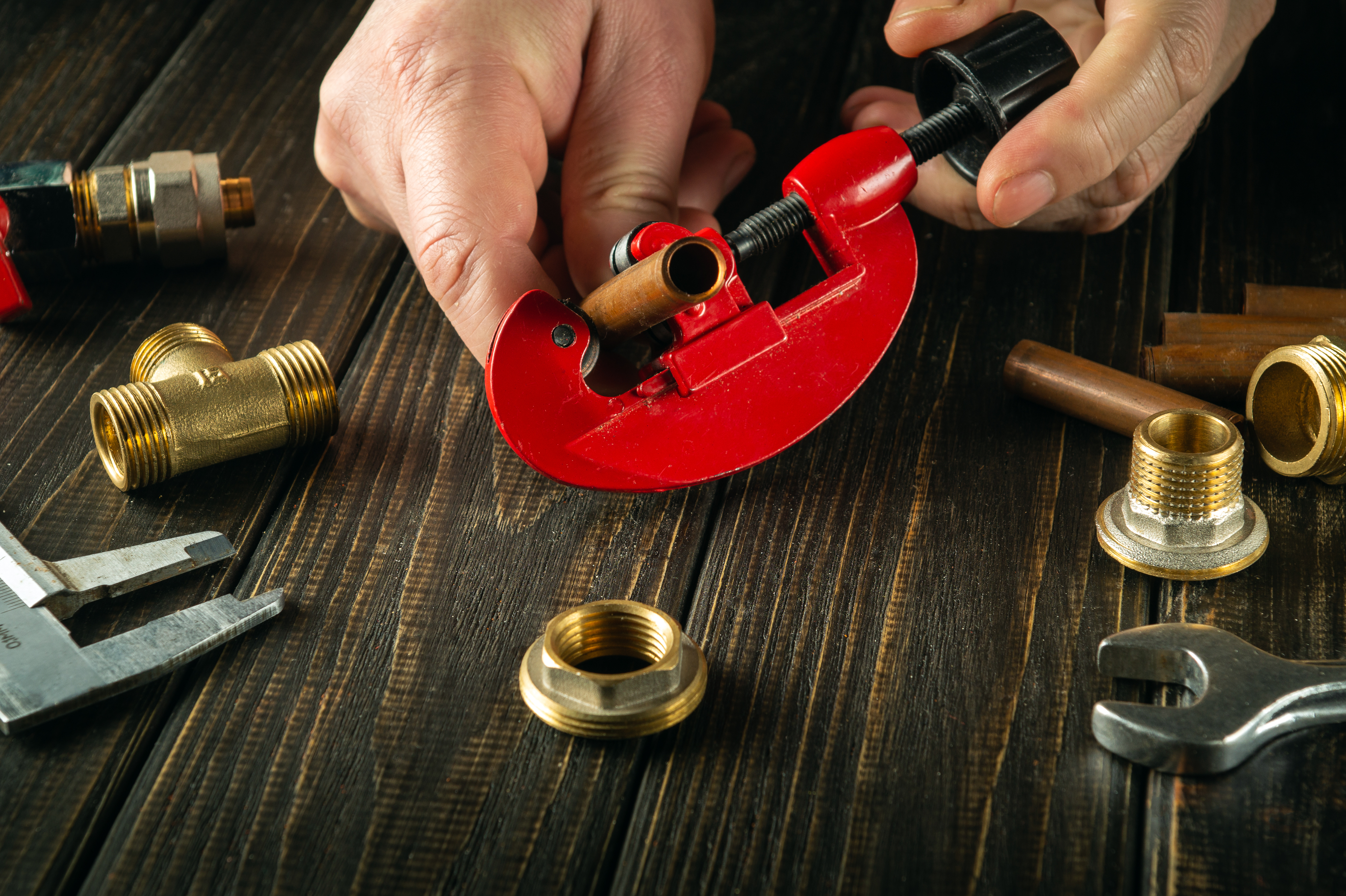
Understanding the risks associated with PEX can prevent future complications. This section will highlight long-term performance considerations and provide solutions to common problems, helping you minimize potential risks.
Long-Term Performance Considerations
PEX’s long-term performance is influenced by several factors, including water quality and installation practices. High chlorine levels in water can affect PEX, causing it to degrade over time.
The material’s vulnerability to UV light necessitates careful planning in installation to avoid exposure. Over time, improper installation can lead to leaks and other issues, affecting the system’s overall reliability.
To ensure longevity, using PEX in the appropriate settings and following recommended installation practices is crucial. Regular inspections can help identify potential issues early, preserving the system’s integrity.
Solutions to Common Problems with PEX
Addressing problems with PEX involves understanding common issues and implementing effective solutions. Here are some strategies:
-
Protect PEX from sunlight: Use insulation or shielded areas to prevent UV exposure.
-
Monitor water quality: Regular testing helps detect chemical levels that might affect PEX.
-
Install rodent deterrents: If rodents are an issue, consider protective measures or alternative materials in vulnerable areas.
-
Hire experienced installers: Ensure proper installation by selecting qualified professionals.
By addressing these problems proactively, you can reduce the risks associated with PEX installations.
Expert Tips for Homeowners and Contractors
Whether you’re a homeowner or contractor, some expert tips can help ensure a successful plumbing project. Here are a few recommendations:
-
Consult with professionals: Always seek advice from qualified plumbers to understand the best materials for your needs.
-
Stay informed: Keep up with the latest industry standards and material innovations.
-
Regular maintenance: Schedule periodic checks to catch potential issues early.
-
Prioritize quality: Invest in high-quality materials and skilled labor to avoid costly repairs later.
Following these guidelines will help you navigate the plumbing material comparison and make confident decisions for your project.