


Winter Plumbing Tips: Your Essential Guide to Keeping Your Home Cozy and Safe
Frozen pipes don’t just cause a cold inconvenience—they can flood your home and cost thousands in repairs. Most homeowners wait too long to winterize your plumbing, leaving themselves vulnerable when temperatures drop. This guide offers simple winter plumbing tips to prevent frozen pipes and avoid emergency plumbing calls, keeping your home warm and safe all season long.
Essential Winter Plumbing Preparation

Let’s start by securing the basics to shield your home from winter’s icy grip. A few initial steps can make a huge difference in how your plumbing withstands the cold.
Winter Plumbing Tips:
Insulate Your Pipes
First up, wrapping your pipes keeps them from freezing. Frigid temperatures cause pipes to burst, leading to costly repairs. Use foam sleeves or heat tape to cover them, focusing on exposed areas like basements or attics. You’ll be glad you took a little time now when your pipes stay intact all winter.
If you’re unsure where to begin, check out this helpful guide on preventing frozen pipes. It walks you through the insulation process step by step. Remember, a small investment in materials can save you from major headaches down the road.
Maintain Your Water Heater
Next, your water heater needs some attention too. Flushing it removes sediment that could lower efficiency and make heating less effective. Plus, inspecting for leaks ensures it won’t fail when you need it most. Consider setting the thermostat to a cozy 120°F—just right for comfort and safety.
Regular upkeep prolongs the life of your heater, which is key when facing the chill. For more on maintaining this vital home appliance, explore this winter prep guide. It offers expert advice on keeping your water heater in top shape.
Seal Drafty Areas
Lastly, keep cold air out by sealing drafts. Use weatherstripping on doors and windows, and don’t forget about outlets and vents. Keeping your home snug makes heating more efficient and reduces the risk of pipes freezing in nearby walls.
You might be surprised how much heat drafts steal away. Learn more about sealing techniques from this comprehensive resource. It covers everything from finding drafts to choosing the right materials for the job.
Preventing Frozen Pipes
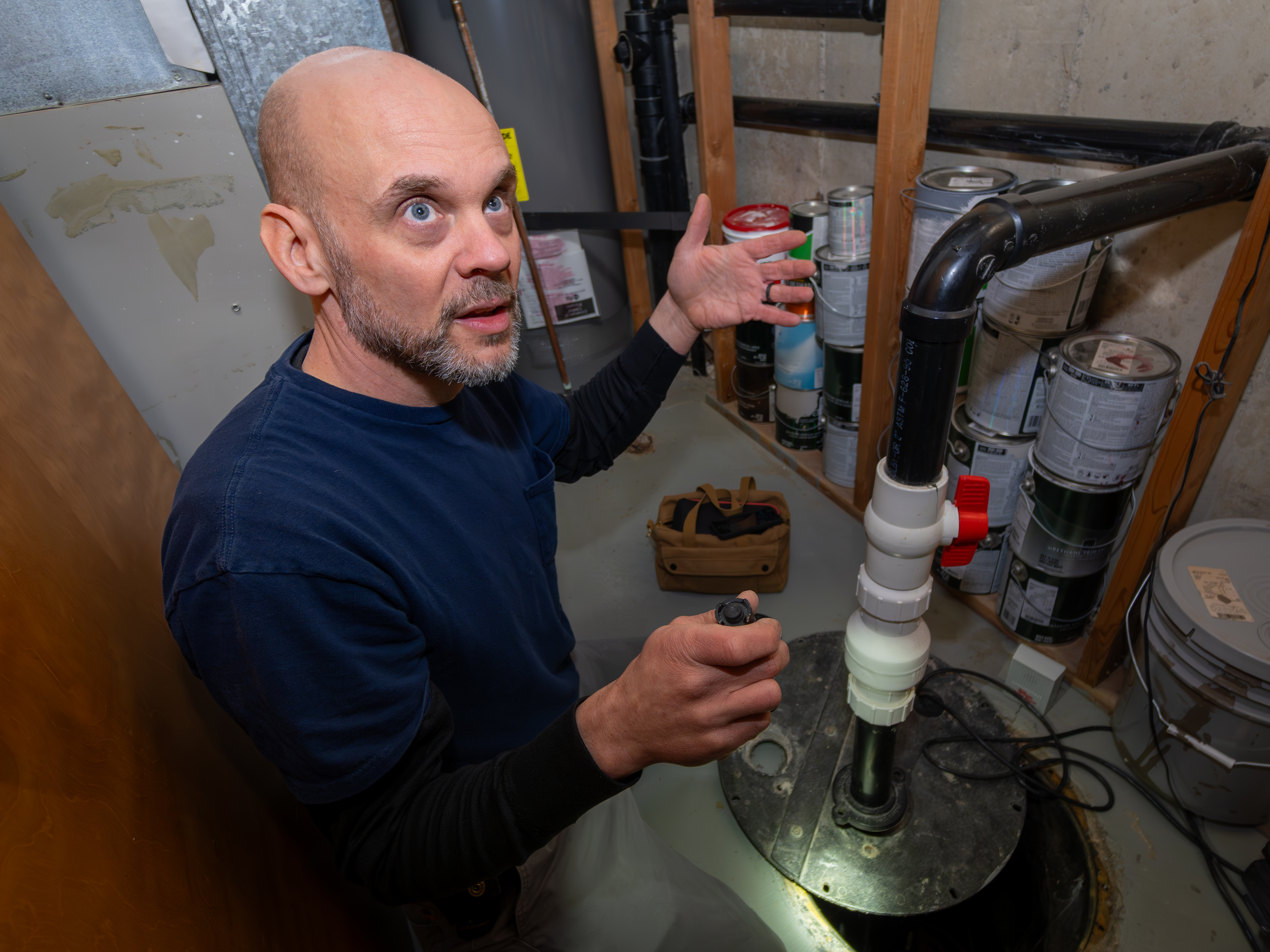
Once you’ve prepped the basics, focus on daily practices to keep your plumbing safe. These small actions can prevent major problems.
Keep a Consistent Temperature
Maintaining a steady indoor temperature is crucial. A thermostat set to at least 55°F ensures pipes stay warm enough to avoid freezing. Avoid drastic temperature changes, as these can stress pipes and lead to damage.
It’s tempting to lower the heat to save energy, but consistent warmth is key to avoiding repairs. For more insights, see this article on temperature management.
Use Pipe Heating Cables
Another great tool is pipe heating cables. These handy gadgets keep pipes warm by providing a gentle heat source. They’re especially useful for pipes in unheated areas, like garages or crawl spaces.
Installing them is straightforward, and they offer peace of mind knowing your pipes are protected. For installation tips, this resource provides a detailed guide on using heating cables effectively.
Allow Faucets to Drip
Letting faucets drip may seem wasteful, but it’s a clever trick to prevent freezing. A slight drip keeps water moving, reducing pressure buildup in pipes. This simple solution is especially useful during cold snaps.
Most people worry about the water bill, but a few drops are cheaper than fixing a burst pipe. Check out this advice on faucet care to learn more about this technique.
Winter Plumbing Tips – Responding to Plumbing Emergencies
Despite best efforts, emergencies can happen. Knowing how to respond quickly can minimize damage and stress.
Locate Your Water Shutoff
Knowing where your main water shutoff is can be a lifesaver during a leak. Familiarize yourself with its location and ensure it’s easily accessible. In an emergency, turning off the water quickly can prevent a minor issue from becoming catastrophic.
If you’re unsure where to look, this guide can help you find it and explain how to use it effectively.
Know When to Call a Professional
Sometimes, professional help is necessary. Recognize when a problem is too complex for DIY solutions. If water damage is extensive or pipes are severely compromised, calling a plumber is the best course of action.
Most folks hesitate, but bringing in an expert ensures the job is done right. For more on recognizing when to call for help, explore this helpful article. If you are in Spokane WA or surrounding area, give JLR Plumbing a shout. With 20+ years of professional experience, have piece-of-mind to know that the job will be done right.
Emergency Plumbing Kit Essentials
Lastly, keep an emergency plumbing kit on hand. Stock it with essentials like a wrench, pliers, pipe tape, and towels. Having the right tools ready can help you manage leaks or bursts until professional help arrives.
Preparation is key to staying calm under pressure. For tips on assembling your kit, visit this resource.
By taking these steps, you’re well on your way to a safe and cozy winter, free from plumbing woes.